訪日したばかりの重要顧客とお寺の前を通り過ぎようとするとき、「これは神社?」と突然聞かれたら?

Sakura:日本の歴史ウォッチャー&インバウンド会話ガイド
こんにちは、サクラです🌸 今日は、海外ゲストから歩行中に本当によく聞かれる「これは神社?」という疑問に、その場でサッと返せる“雑談の切り口”をご紹介します。私自身の経験では、「Is this a shrine?」と聞かれることが圧倒的に多く、「Is this a temple?」は意外と少ない印象です。恐らくは、訪日前から日本の神社にとても興味があって、shinto shrineという単語をしっかり記憶しているようです。そんな時に「神社の見分け方、(お寺にない)特徴」を、歩きながらでも、短く・わかりやすく・相手の視点に寄り添う説明ができると信頼がグッと深まります。 観光ガイド、接客、ビジネス接待… “今すぐ英語が必要!”という現場の皆さんに向けて、 今日もサクラが、使える雑談ネタをぎゅっと凝縮してお届けします🌸
目的に合わせて読みたい方は下記からお好みで。
【A】 神社の見分け方(外見・目に見えるもの)
インバウンドから冒頭の質問を元に主要なポイントをご紹介しますので、お好みのフレーズがあればピックアップしてご利用ください。いつも通り日本語で言えないことは英語でも言えませんので日>英順です。🌸英語話者は全て米国話者です。
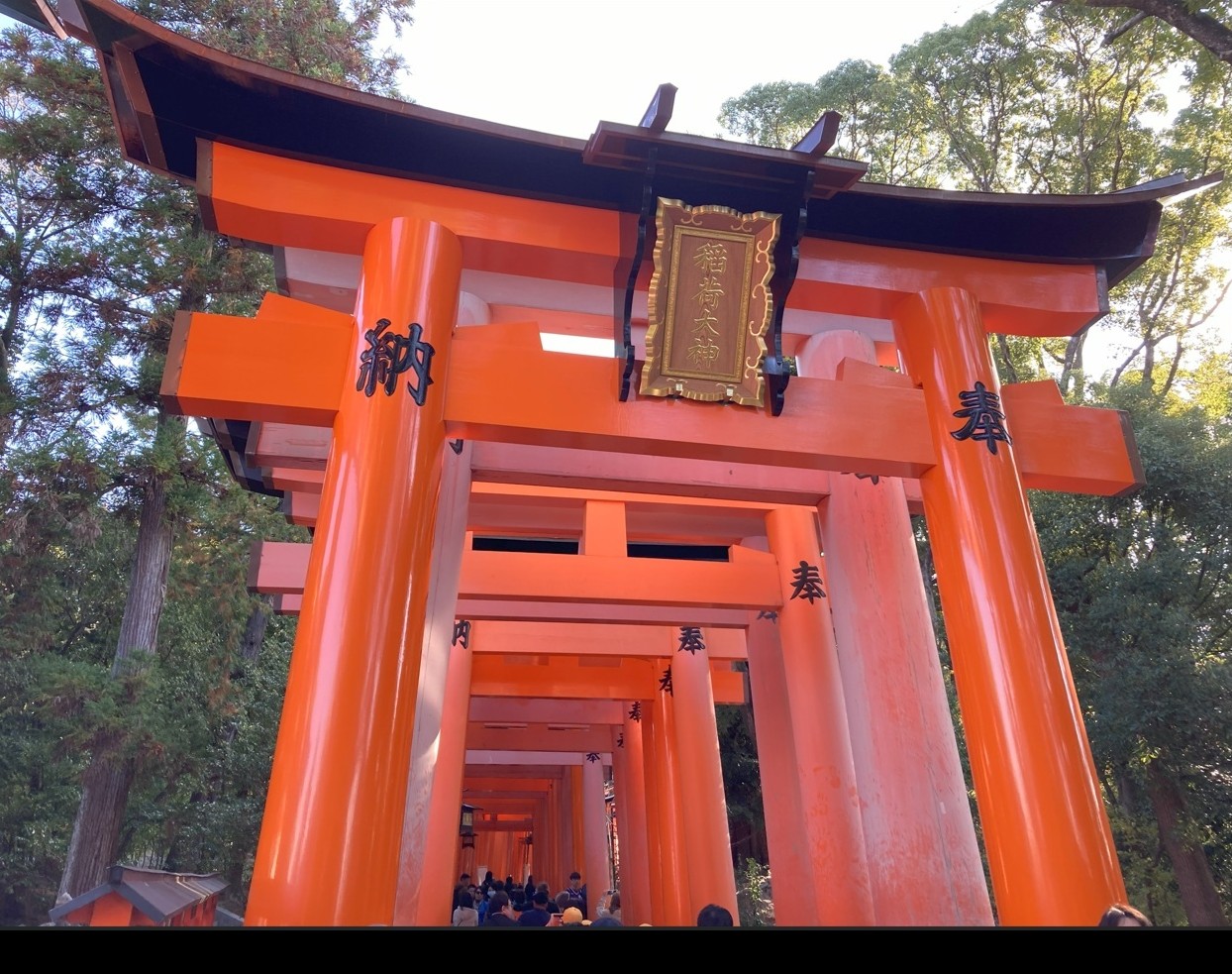
1. 鳥居がある
神社の一番わかりやすい特徴は入口にある「鳥居」です。神の領域と人間の世界を分ける門の役割を果たしています。
The most obvious feature of a shrine is the “Torii” gate at the entrance. It acts as a gateway separating the sacred area from the everyday world.
十字架が教会の屋根に置かれているように、神社の入口には鳥居が置かれていて、ここが特別な場であることを伝えています。
Just as a cross is placed on the roof of a church, a torii gate stands in front of a shrine, signifying that this is a special place.
鳥居に関する便利フレーズ
A Torii is a simple gate marking the entrance to a sacred space. (鳥居は聖域の入口を示す簡素な門です。)
It usually has two vertical pillars and two horizontal beams. (通常は二本の柱と二本の横木で構成されています。)
The bright vermilion color symbolizes protection and purification. (朱色は魔除けと浄化を象徴します。)
Some Torii are made of wood, others of stone or metal. (木製だけでなく、石や金属の鳥居もあります。)
A Torii marks the boundary between the human world and the sacred realm. (鳥居は人間界と神域の境界を示します。)
It signals that the deity’s presence begins beyond the gate. (鳥居の先が神様の領域であることを示します。)
One theory links Torii to ancient bird perches used in rituals. (鳥居は古代の“鳥の止まり木”に由来するという説があります。)
Birds were seen as messengers between humans and the divine. (鳥は人と神をつなぐ存在と考えられていました。)
Some shrines have multiple Torii lined up in a row. (鳥居が連続して並ぶ神社もあります。)
The largest Torii in Japan stands over 20 meters tall. (日本最大の鳥居は高さ20メートル以上です。)
2. しめ縄がある
神社の入口や拝殿の上部には藁で編まれたしめ縄が下げられています。
Shimenawa ropes woven from straw are hung at the entrance to the shrine and above the worship hall.
鳥居としめ縄が揃うと、ほぼ確実に神社です。
The combination of Torii and Shimenawa strongly indicates a shrine.
🌾 しめ縄に関する便利フレーズ
A Shimenawa marks a sacred boundary. (しめ縄は神聖な領域の境界を示します。)
It shows that the space beyond is purified. (その先の空間が清められていることを示します。)
The rope is made of twisted rice straw. (縄はねじった稲わらで作られています。)
Paper streamers called Shide hang from the rope. (縄には「紙垂(しで)」と呼ばれる紙飾りが下がっています。)
Shimenawa is used to keep impurities away. (しめ縄は穢れを寄せ付けないために使われます。)
You often see Shimenawa on sacred trees. (神聖な木にしめ縄が掛けられていることも多いです。)
The rope signals that a deity resides nearby. (縄は近くに神様が宿っていることを示します。)
Some shrines use very large Shimenawa as a symbol. (巨大なしめ縄を象徴として使う神社もあります。)
Shimenawa are replaced regularly to symbolize perpetual youth and vitality. (しめ縄は、常若(とこわか)=永遠の若さと生命力を象徴するために定期的に交換されます。)
3. 狛犬がある
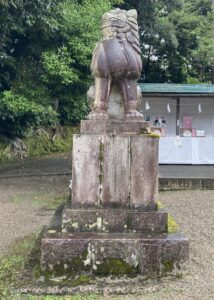 吽形(口を閉じる) |
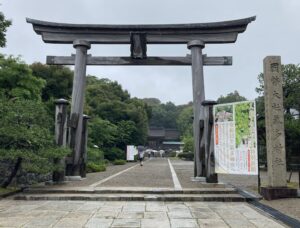 鳥居と一対の狛犬@気多大社 |
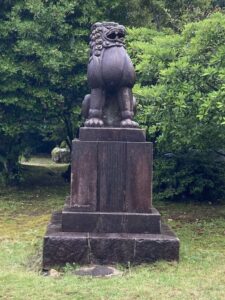 阿形(口を開く) |
鳥居の周辺にはペアの狛犬が置かれています。
A pair of komainu statues stands near the torii gate.
狛犬はその場所が神社であることを見分ける大きな目印になります。
Komainu help identify the place as a Shinto shrine.
🐶 狛犬に関する便利フレーズ
Komainu are guardian statues that protect the shrine. (狛犬は神社を守るための守護像です。)
They usually come as a pair, one with its mouth open and one closed. (通常は口を開いた像と閉じた像のペアになっています。)
The open mouth represents a short “Ah,” the beginning of all things.(開口は万物の始まりを示す「ア」を表します。)
The closed mouth represents a short “Un,” the end of all things.(閉口は終わりを示す「ウン」を表します。)
Together, they symbolize protection from evil spirits. (この二体で邪気から守る象徴となります。)
Some komainu look like lions, others resemble dogs. (ライオンのような姿もあれば、犬に似た姿もあります。)
You often see komainu at the entrance of the worship area. (拝殿の入口付近に狛犬が置かれていることが多いです。)
Stone komainu are the most common, but wooden ones also exist. (石造が一般的ですが、木造の狛犬も存在します。)
Their fierce expressions are meant to ward off danger. (険しい表情は災いを遠ざけるためのものです。)
4. 屋根の装飾(千木・鰹木)がある
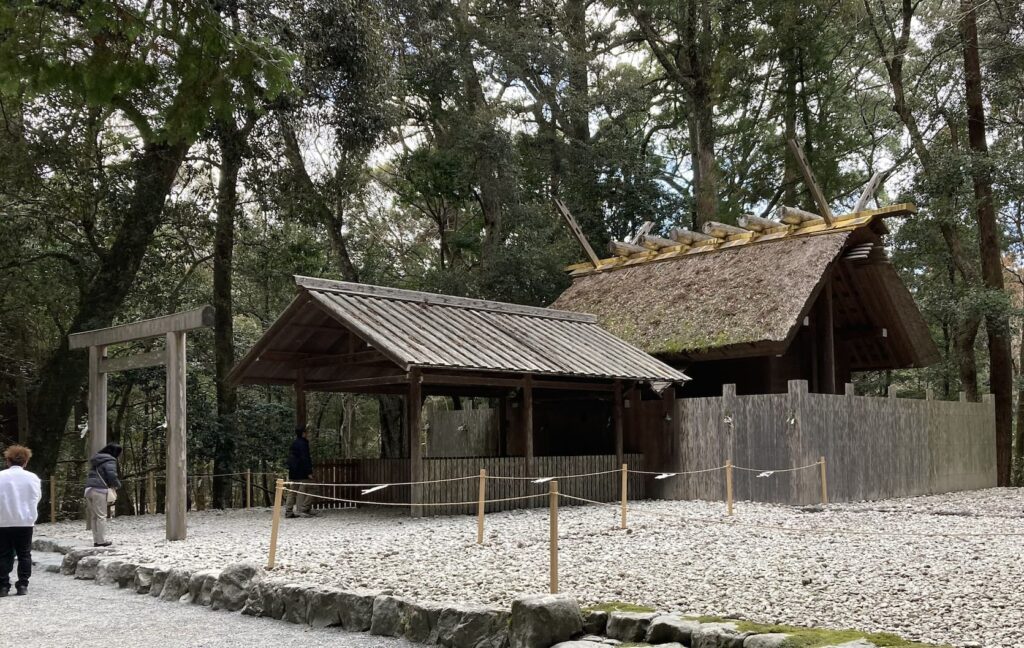
「どれが千木?どれが鰹木?」「この交差した木が千木、この丸太が鰹木です!」@伊勢神宮| 初冬
神社の屋根の頂点には、交差した木(千木)や丸太状の飾り(鰹木)が見られることが多く、お寺の屋根とはデザインが異なります。
At the top of shrine roofs, you often see crossed wooden beams (Chigi) and log-like ornaments (Katsuogi), which are distinct from temple roofs.
千木と鰹木はその建物が神社であることを見分ける助けになります。
Chigi and Katsuogi help identify the building as a shrine.
🪵 屋根装飾(千木・鰹木)に関する便利フレーズ
Chigi are crossed beams extending from both ends of the roof ridge. (千木は屋根の棟の両端から突き出した交差した木材です。)
Katsuogi are log-shaped ornaments laid horizontally on the roof. (鰹木は屋根の上に水平に置かれた丸太状の飾りです。)
These roof ornaments are unique to Shinto architecture. (これらの屋根飾りは神道建築特有のものです。)
Temples rarely have Chigi or Katsuogi. (お寺には千木や鰹木がほとんどありません。)
Some shrines have very large roof ornaments as a symbol. (巨大な屋根飾りを象徴として持つ神社もあります。)
The number and size of Katsuogi vary by shrine tradition. (鰹木の数や大きさは神社の伝統によって異なります。)
They may have originally helped strengthen the roof.(これらの飾りは元々、屋根を補強するものだったのかもしれません。)
5. 鎮守の森(自然)がある
神社は自然信仰に基づいているため、多くの場合、豊かな木々や森(鎮守の森)に囲まれています。
Since Shinto is rooted in nature worship, shrines are usually surrounded by lush trees or a small forest called “Chinju no mori.”
🌳 鎮守の森に関する便利フレーズ
A shrine is often surrounded by a sacred grove. (神社はしばしば神聖な森に囲まれています。)
The forest creates a quiet and peaceful atmosphere. (森が静かで落ち着いた雰囲気を作ります。)
Trees are believed to host the presence of deities. (木々には神様が宿ると信じられています。)
Many shrines preserve old trees as sacred objects. (多くの神社は古木を御神木として守っています。)
The grove acts as a natural boundary for the shrine. (森は神社の自然の境界として機能します。)
Birds and animals are considered part of the sacred environment. (鳥や動物も神聖な環境の一部と見なされます。)
The forest helps maintain the shrine’s purity. (森は神社の清浄さを保つ役割があります。)
Chinju no mori reflects Shinto’s deep respect for nature. (鎮守の森は神道の自然への深い敬意を表しています。)
There are also sacred forests where humans are strictly forbidden to enter. (人間は一切立ち入れない神聖な森もあります。)
6. 要約説明:Simplified Explanation
最も簡単な見分け方は「鳥居」があるかどうかです。鳥居としめ縄があれば神社、大きな門(山門)や仏像、お香の煙があればお寺です。
The easiest way to tell them apart is the “Torii” gate. If it has a Torii gate and straw ropes, it’s a shrine. If it has a big main gate, Buddha statues, or incense smoke, it’s a temple.
【B】神様・作法の違い(目に見えないもの)
見た目だけでなく、祀られている対象や参拝作法の違いを説明すると、さらに興味を持ってもらえます。🌸
1. 神様は目に見えない
お寺には仏像がありますが、神社には基本的に目に見える神様の像はありません。自然や御神体(鏡や剣など)に神様が宿るとされています。
Temples have visible Buddha statues, but shrines generally do not have statues of gods. Shinto deities are invisible and are believed to reside in sacred objects like mirrors or in nature itself.
🕊️ 神様が目に見えないことに関する便利フレーズ
Shinto deities are believed to exist without a physical form. (神道の神様は形を持たずに存在すると信じられています。)
The deity is present even if you cannot see it. (見えなくても神様はそこに宿るとされています。)
Sacred objects like mirrors symbolize the presence of the deity. (鏡などの御神体は神様の存在を象徴します。)
Nature itself is considered a dwelling place for the divine. (自然そのものが神の宿る場所と考えられています。)
Many shrines do not display any statues of their deities. (多くの神社には神様の像がありません。)
The absence of statues reflects Shinto’s focus on invisible spirits. (像がないのは、神道が“目に見えない霊的存在”を重視しているためです。)
Trees, rocks, and mountains can be sacred objects. (木や岩、山が御神体となることもあります。)
The idea of “kami” includes natural forces and spiritual presence. (「神(かみ)」は自然の力や霊的存在を含む広い概念です。)
2. 独特の作法がある(二礼二拍手一礼)
神社では「二礼・二拍手・一礼」をして手を叩きますが、お寺では手を叩かずに静かに合掌してお辞儀をします。
At a shrine, people clap their hands—bow twice, clap twice, pray, and bow once. At a temple, you do not clap; you simply put your hands together silently and bow.
🙌 作法(二礼二拍手一礼)に関する便利フレーズ
Clapping expresses respect and sincerity. (かしは敬意と誠意を表します。)
Bowing twice shows respect before making a wish. (二礼は願い事の前に敬意を示す動作です。)
Clapping twice symbolizes opening your heart to the deity. (二拍手は神様に心を開くことを象徴します。)
The final bow expresses gratitude. (最後の一礼は感謝の気持ちを表します。)
Temples do not use clapping during prayer. (お寺では祈りの際に手を叩きません。)
At temples, people pray silently with hands together. (お寺では静かに合掌して祈ります。)
The difference in gestures helps identify shrines and temples. (作法の違いは神社とお寺を見分けるヒントになります。)
The sequence is simple: bow, bow, clap, clap, pray, bow. (作法は「礼・礼・拍手・拍手・祈る・礼」というシンプルな流れです。)
3. 絵馬がある
神社には「絵馬」と呼ばれる木製の板に願い事を書いて奉納する風習があります。(※一部のお寺にもあります)
At shrines, people write their wishes on small wooden plaques called “Ema” and hang them up to pray for good fortune.
絵馬に関する便利フレーズ
🐎 絵馬(Ema)— votive を使わない簡単な表現
People write wishes on wooden plaques. (人々は木製の板に願い事を書きます。)
These wooden tablets are for writing prayers. (これらの木札は祈りを書き込むためのものです。)
Visitors hang wooden boards with their hopes. (参拝者は願いを込めた木札を掛けます。)
You write a wish and leave the board at the shrine. (願い事を書いて、その絵馬を神社に残していきます。)
🐎 絵馬 — votive(奉納の)を使うより専門的な表現
These are votive tablets for written prayers. (これらは祈祷文を書き込むための奉納用木札です。)
People leave votive offerings after making a wish. (人々は願い事を立てた後に奉納品を残します。)
A wooden plaque can be a small votive gift to the deity. (木製の絵馬は神様への小さな奉納の品となります。)
【C】 紛らわしい点(お寺との共通点)
海外ゲストが混乱しやすい「どちらにも存在する要素」を補足しておくと、より親切で分かりやすい説明になります。🌸
1. 多くのお寺にも手水舎がある
参拝前に手や口を清める「手水舎(Chozuya)」は、神社だけでなく多くのお寺にも存在するため、見た目での判別には注意が必要です。
Water pavilions (Chozuya) used for purifying hands and mouth before praying can be found at both shrines and many temples.
💧 手水舎(Chōzuya / Temizuya)に関する便利フレーズ
A Chōzuya is a water pavilion for purification. (手水舎は清めのための水屋です。)
Visitors rinse their hands to purify themselves. (参拝者は手をすすいで身を清めます。)
Some people also rinse their mouth lightly. (口を軽くすすぐ人もいます。)
The ladle is used to scoop water gently. (柄杓は水を静かにすくうために使います。)
Purification is done before approaching the deity. (神様に近づく前に清めを行います。)
Both shrines and temples may have a Chōzuya. (神社にもお寺にも手水舎がある場合があります。)
The water symbolizes spiritual cleanliness. (水は精神的な清浄を象徴します。)
The pavilion often has flowing water for freshness. (手水舎には新鮮さを保つため流れ水が使われます。)
The purification ritual is simple and quick. (清めの作法は簡単で短時間です。)
The presence of a Chōzuya alone does not identify a shrine. (手水舎だけでは神社か寺かの判別はできません。)
2. お賽銭箱がある
お金を入れて祈願する「お賽銭箱(Offertory box)」は、神社・お寺の双方に設置されています。
Both shrines and temples have offertory boxes where visitors toss in coins to make a wish or offer respect.
お賽銭(Osaisen)に関する便利フレーズ
People toss a coin into the offertory box. (人々はお賽銭箱にコインを投げ入れます。)
It’s a small offering to show respect. (敬意を示すための小さな奉納金です。)
A coin is a way to make a quick wish. (コインを投げるのは、手短に願い事をするための方法です。)
Many visitors offer a coin and bow. (多くの参拝者がコインを捧げてお辞儀をします。)
3. おみくじがある
運勢を占う「おみくじ(Fortune slips)」も神社・お寺の両方で購入できます。
Fortune-telling paper slips called “Omikuji” are sold at both shrines and temples.
おみくじに関する便利フレーズ
These are fortune slips you draw for luck. (これらは運試しに引くおみくじです。)
You can tie the fortune to leave your wish behind. (願いを残していくために、おみくじを結ぶことができます。)
Some people keep the slip if it’s a good fortune. (良い運勢が出た場合は、持ち帰る人もいます。)
It’s a simple way to check your luck for the year. (その年の運勢を手軽に占う方法です。)
4. 御朱印がある
参拝の証として授与される「御朱印(Goshuin)」も神社とお寺の両方に存在しますが、御朱印帳を分けて管理する人もいます。
Goshuin (sacred red stamps) are offered as proof of visit at both locations, though some worshippers keep separate stamp books for each.
御朱印(Goshuin)に関する便利フレーズ
It is a handwritten record of your visit with a red seal.(これは、赤い印が押された、ご来訪の記録を手書きで記したものです。)
It’s a calligraphy seal from the shrine. (神社から授与される毛筆と朱印の証です。)
Many travelers collect shrine stamps. (多くの旅行者が神社の御朱印を集めています。)
It’s a record of your pilgrimage. (あなたの巡礼の記録となります。)
(🌸pilgrimage は海外ゲストが喜ぶワードです。)
【D】🕯️ 世界の祈りと奉納文化(共感を高めるネタ)
歩きながら、神様への祈りや奉納について軽く世界比較を入れると、「日本だけじゃないんだ!」と共感が一気に高まります。最後に、祈り・願掛け・奉納・巡礼・感謝・記念をカバーする英語例文をご紹介します。
🕯️ キャンドルを灯す文化(欧州・カトリック)
In many countries, people light candles to pray. (多くの国で、人々は祈りのためにキャンドルを灯します。)
A candle can be a small offering of hope. (キャンドルは希望を捧げる小さな奉納です。)
🗿 奉納像・奉納板(ギリシャ・ローマ・地中海)
Ancient Greeks dedicated small statues after a prayer was answered. (古代ギリシャ人は祈りが叶った後に小像を奉納しました。)
People left carved plaques to thank the gods. (人々は神々への感謝として彫刻板を残しました。)
🚶♂️ 巡礼地での奉納(ヨーロッパ・南米)
Pilgrims often leave small gifts at sacred sites. (巡礼者は聖地で小さな奉納品を残します。)
A simple flower can be an offering of gratitude. (一輪の花も感謝の奉納になります。)
🧿 魔除け・守りの文化(中東・地中海)
Some cultures hang amulets for protection. (魔除けのために護符を掛ける文化もあります。)
An amulet can express a wish for safety. (護符は安全への願いを表します。)
🌳 自然への祈り(アジア・北欧)
People tie ribbons to trees to make a wish. (願いを込めて木にリボンを結ぶ文化があります。)
Sacred trees are seen as places where prayers reach the divine. (聖なる木は祈りが神に届く場所と考えられています。)
🪶 祈りのメッセージ(世界各地)
Writing a message is a universal way to express a prayer. (メッセージを書くことは祈りを表す普遍的な方法です。)
People leave notes to ask for guidance or luck. (人々は導きや幸運を求めてメモを残します。)
Just like Ema in Japan, people around the world express prayers in many different ways. (日本の絵馬と同じように、世界の人々も様々な形で祈りを表します。)
🔄 あわせて読みたい!「お寺視点」からの解説記事
今回は「神社」の視点からお寺との違いをご紹介しましたが、仏教や禅(Zen)に関心がある海外ゲストからは「Is this a temple?(これはお寺?)」と聞かれるシーンも多くあります。逆の視点も押さえておくことで、現場でのガイドや案内にさらに深みが出ますよ🌸

👆 今回も最後までお読みいただき、ありがとうございます。 本ブログに関するご意見やご要望がございましたら、下記より、お気軽にお声がけください!