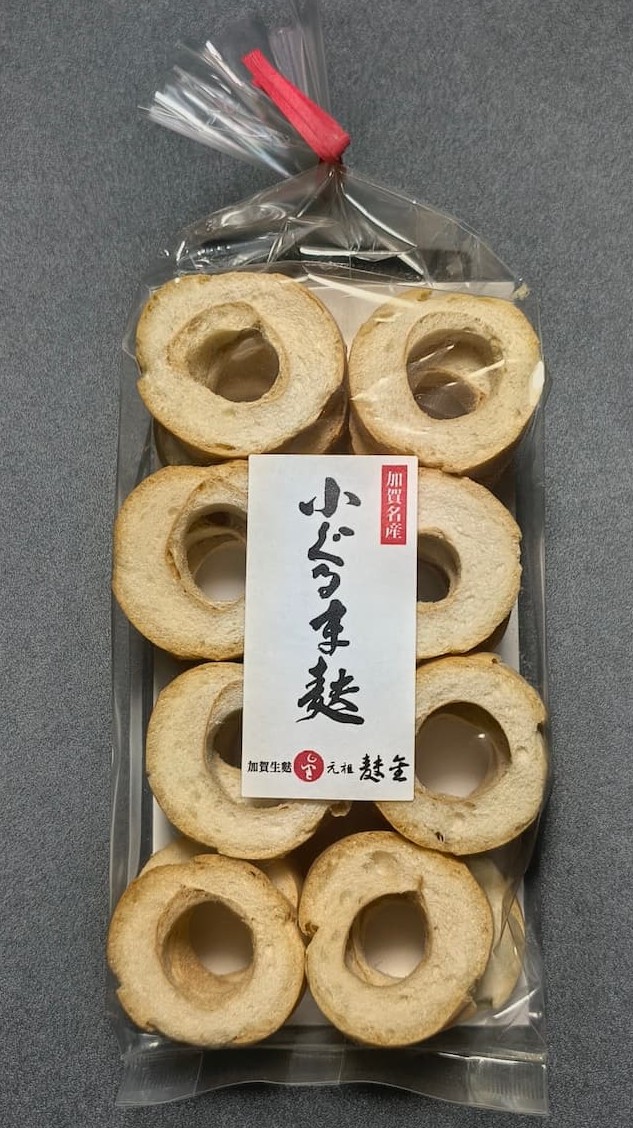
商談相手と街中で移動中… 「店舗にある『FU(麩)』って何なの?」と聞かれたら?

食通ウオッチャー&
ガイド
こんにちは!モモです🐾今日は初来日した海外のゲストに『麩』についてご説明します。「昔からある保存食材です」じゃ、食べてみたいという気になりませんよ。 移動中のわずかな時間で、相手の感性に響き「ぜひ試してみたい!」と言わせるための、5つの視点(食べ物・アート・建築・ファッション・日本人)を揃えました。
ゲストの関心に合わせて30秒でネタを仕込む!
【一言で腑に落ちる】王道アプローチ
【インバウンド5関心別】さらに一歩踏み込む(フォロー)
1. この一言で腑に落ちる?
このパートのいずれかのワンフレーズでご納得いただけたらラッキーですね。もしだめなようでしたら、次のパートもお試しください。いつも通り、日本語で言えないことは英語でも言えませんので、日本語>英語順でご紹介します。
1.1 日々の食事で見つけて楽しめる?
「麩(ふ)は、小麦のタンパク質から作る日本の乾燥食材です。世界でも小麦タンパク質はよく使われますが、伝統的な麩は日本ならでは。見た目がパンやシリアル、ドーナツに似ているので、よく『パン?』『ビスケット?』と聞かれます。形やデザインが本当にいろいろあって、日本の料理の中で見つけるとちょっとしたサプライズになります。」
“Fu is a dried Japanese food product made from wheat protein (gluten). While wheat protein is familiar in many food cultures worldwide, traditional Fu is unique to Japan. Because its dry appearance resembles bread, cereal, or even donuts, visitors often ask, ‘Is this bread?’ or ‘Is it a biscuit?’. As there are a wide variety of unique shapes and designs, you might find Fu in a Japanese meal with a delightful surprise.”
💡 Pick-up Vocabulary
wheat protein (gluten) 👉 小麦タンパク質(グルテン) / food culture 👉 食文化 / dry appearance 👉 乾燥した見た目 / resemble 👉 〜に似ている / a wide variety of… 👉 多種多様な〜 / unique shapes and designs 👉 ユニークな形状やデザイン / delightful surprise 👉 嬉しい驚き、ちょっとしたサプライズ
1.2 母国で日本の優しい味?
「麩(ふ)は、日本の家庭料理でよく使われる食材で、日本の食文化の歴史を少し味わえます。もともとは、肉食が禁じられていた時代に、貴重なタンパク源として生まれました。乾燥や焼き上げた麩は軽くて保存がきき、お土産にもぴったり。スープで煮ると濃い出汁をしっかり吸い込み、ふんわり柔らかくなって、母国でも日本の優しい味を楽しめます。」
“A staple of Japanese home cooking, Fu lets you taste a piece of Japanese culinary history. Originally developed as a vital protein source during times when Buddhist traditions prohibited meat, it remains a beloved ingredient today. Dried or baked Fu is light, shelf-stable, and perfect as a souvenir. Once cooked in soup, it absorbs the rich broth and becomes soft and fluffy—offering a gentle taste of Japan in your home country.”
💡 Pick-up Vocabulary
staple 👉 定番の食材、主食 / culinary history 👉 食の歴史 / vital protein source 👉 貴重なタンパク源 / Buddhist traditions 👉 仏教の伝統 / prohibit 👉 禁じる / shelf-stable 👉 日持ちする、保存のきく / absorb 👉 吸収する、吸い込む / rich broth 👉 濃い出汁・スープ / gentle taste 👉 優しい味わい
2.次の補足でご納得?
残念ながら前パートで外した場合のフォローセリフ、いつも通りインバウンド視点を踏まえ関心別に置いてみました。色々な表現を織り込むため、全体的にかなり長くなっていますが、お気に入りのフレーズあれば現場でも試してみる、そんな軽いノリでご利用ください。
2.1 建築(匠:たくみ)系
👉日本建築と「麩」を同時に体験?
「日本建築と麩(ふ)を同時に楽しむなら、禅寺がぴったりです。肉食が禁じられていた時代、僧侶たちは工夫して麩を精進料理に取り入れてきました。今では、歴史ある堂宇や静かな庭を眺めながら、寺院ならではの麩料理を味わえます。もし枯山水の石が焼き麩に見えたら、悟りまではもう少し…かもしれません。」
“To experience both Japanese architecture and fu at the same time, visiting a Zen temple is a wonderful choice. Under the Buddhist rule forbidding meat, monks creatively incorporated various types of fu into their shōjin ryōri (vegetarian cuisine). Today, you can savour these temple-style fu dishes while gazing out at historic halls and tranquil Zen gardens. If the rocks in the dry landscape garden look like baked fu to you, you may still have a way to go to reach enlightenment!”
💡 Pick-up Vocabulary
Zen temple 👉 禅寺 / Buddhist rule 👉 仏教の戒律 / monk 👉 僧侶 / creatively incorporated 👉 工夫して取り入れた / shōjin ryōri (vegetarian cuisine) 👉 精進料理 / savour 👉 じっくり味わう / historic halls 👉 歴史ある堂宇・建造物 / tranquil 👉 静寂な、落ち着いた / dry landscape garden 👉 枯山水 / reach enlightenment 👉 悟りを開く、悟りに達する
2.2 ファッション系
👉最もスタイリッシュな食材?
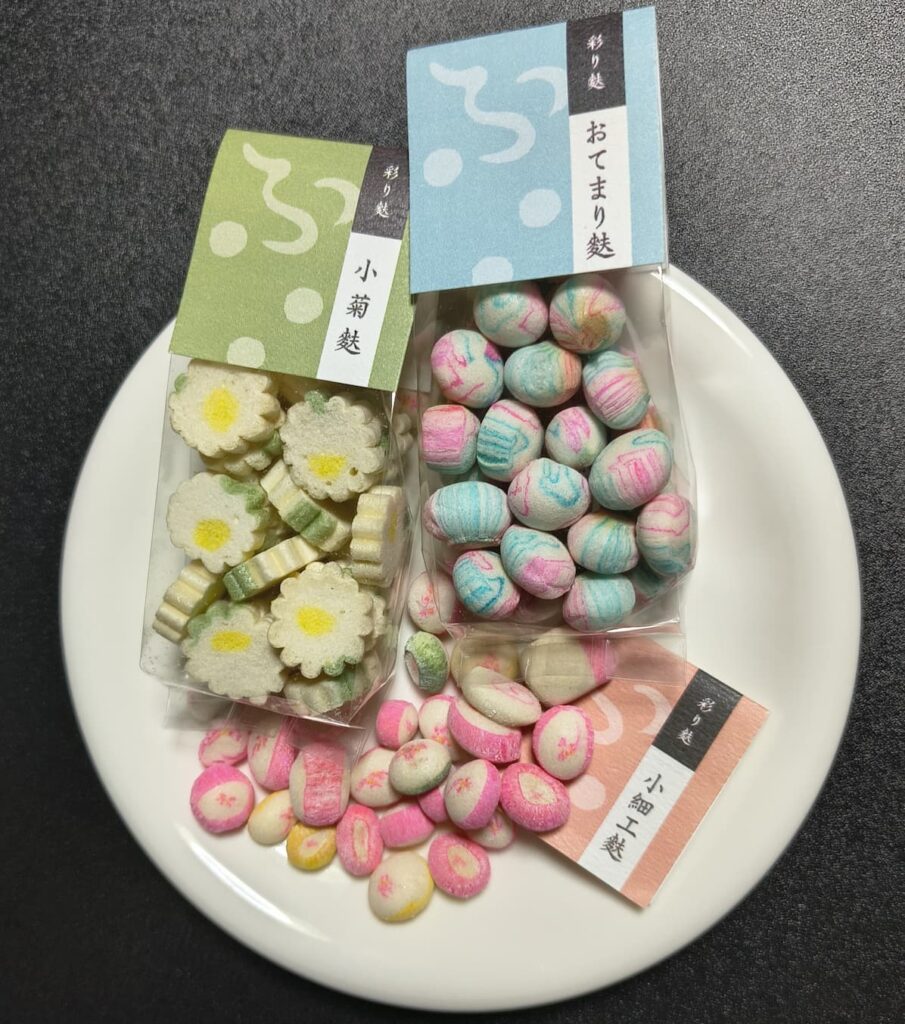
不室屋@金沢
「ファッションに敏感な旅行者には、植物由来の麩(ふ)は罪悪感なく楽しめる食材です。高タンパクで低脂肪なので、体型維持にもぴったり。桜や紅葉の形に彫られた新鮮な麩は、お皿の上で日本の伝統色を美しく見せてくれます。季節の模様の着物をまといながら、こうした繊細な形を味わうのは、日本文化を満喫する最もスタイリッシュな方法と言えます。」
“For fashion-conscious travelers, plant-based fu is the ultimate guilt-free delicacy—high in protein, low in fat, and ideal for keeping in shape. Furthermore, fresh fu sculpted into cherry blossoms or autumn leaves offers a stunning ‘traditional Japanese colour palette’ on your plate. Enjoying these delicate shapes while wearing a kimono with seasonal motifs is, without doubt, the most stylish way to immerse yourself in Japanese culture.”
💡 Pick-up Vocabulary
fashion-conscious 👉 ファッションに敏感な / plant-based 👉 植物由来の / guilt-free delicacy 👉 罪悪感なく楽しめる美食 / keep in shape 👉 体型を維持する / sculpted into… 👉 〜の形に作られた / traditional Japanese colour palette 👉 日本の伝統色 / delicate shapes 👉 繊細な形状 / seasonal motifs 👉 季節の模様・モチーフ / immerse yourself in… 👉 〜にひたる、〜を満喫する
2.3 アート系
👉職人の刻印はアートの証?
「麩(ふ)の幾何学的で彫刻的な形は、伝統美に根ざしたアート性をよく表しています。車麩を切ると、バウムクーヘンの年輪のような層が見え、真ん中の穴は味がしっかり染みるように作られています。てまりのような球体から紅葉まで、麩の豊かな形と自然な色合いは、味わう前にまず目を楽しませてくれます。職人が一つひとつ押す繊細な刻印は、それ自体が本物の職人技の証です。」
“The geometric and sculptural forms of fu showcase the artistic elements rooted in traditional aesthetics. Sliced Kuruma-fu displays ‘tree ring’ layers reminiscent of Baumkuchen, with a central hole designed for perfect flavour absorption. From delicate temari spheres to vibrant autumn leaves, the rich shapes and natural palette of fu delight the eyes before pleasing the palate. The subtle artisan stamp individually applied by the maker is, in itself, a mark of true craftsmanship.”
💡 Pick-up Vocabulary
geometric and sculptural forms 👉 幾何学的で彫刻的な形状 / rooted in traditional aesthetics 👉 伝統的な美意識に根ざした / reminiscent of… 👉 〜を思わせる、〜に似た / flavour absorption 👉 味の染み込み、吸収 / delicate temari spheres 👉 繊細な手まり状の球体 / natural palette 👉 自然な色合い / delight the eyes 👉 目を楽しませる / please the palate 👉 舌を楽しませる、味わう / artisan stamp 👉 職人の焼印・刻印 / true craftsmanship 👉 本物の職人技
2.4 フード系
👉食べ過ぎは駄目!真の理由?
「日本料理を深く知りたい方には、各地でいろいろな調理法がある麩(ふ)はぜひ試してほしい食材です。麩はスープだけではありません。甘味噌を塗って焼く田楽のほか、トンカツ風に揚げたサクサクの“麩カツ”もあります。南の地域では卵や野菜と炒めて、驚くほど使い勝手のいいベジタリアン食材として親しまれています。ただし、一度に食べ過ぎないように。適量でも、お腹の中で思いがけずふくらむことがあるかも。」
“For those wishing to explore the depth of Japanese cuisine, fu cooked in a wide variety of regional dishes is a must-try. Fu isn’t just for soups! You can enjoy chewy fresh fu brushed with sweet miso and grilled as dengaku, or savour crispy ‘fu cutlets’ fried tonkatsu-style. In southern regions, it’s stir-fried with eggs and vegetables, making it a delightfully versatile vegetarian ingredient. But, try not to eat too much at once—even a moderate portion might expand unexpectedly in your stomach!”
💡 Pick-up Vocabulary
explore the depth of… 👉 〜の奥深さを探求する / regional dishes 👉 郷土料理、地域料理 / must-try 👉 ぜひ試すべきもの / chewy 👉 もちもちとした、噛みごたえのある / brushed with… 👉 〜を塗られた / crispy 👉 サクサクした、香ばしい / stir-fried 👉 炒められた / delightfully versatile 👉 驚くほど万能な、使い勝手の良い / moderate portion 👉 適量、控えめな量 / expand unexpectedly 👉 思いがけず膨らむ
2.5 日本人系
👉麩の歴史で日本人がわかる?
「麩(ふ)は、日本人の考え方を知るヒントになります。1000年以上前に中国から伝わり、長い時間をかけて日本人の感性に合う形へと磨かれてきました。麩のユニークな点は、強い味を持たないこと。どんな出汁でもすっと吸い込み、その味を引き立てるように作られています。調和を重んじ、自己主張を控え、全体のために働く――この“謙虚さ”こそ日本文化の核心です。市場で麩を見かけたら’What is fu?’ではなく’Who is fu?’ と聞いてみてください。きっと『Fuは私たち、日本人そのものです』という答えですね。」
“Fu might offer a fascinating window into the Japanese mindset. Imported from ancient China over a millennium ago, it was refined over centuries to mirror Japanese sensibilities. Uniquely, fu has no overwhelming flavor of its own; instead, it is designed to absorb and celebrate the taste of whatever broth it joins. This humble philosophy—prioritising harmony, avoiding self-assertion, and serving the whole—lies at the very core of Japanese culture. Next time you spot fu in a market, don’t just ask ‘What is fu?’. Ask ‘Who is fu?’. The answer might well be: ‘Fu is us, the Japanese.'”
💡 Pick-up Vocabulary
fascinating window into… 👉 〜を知る魅惑的な窓口・ヒント / Japanese mindset 👉 日本人の考え方・精神性 / a millennium ago 👉 1000年前 / mirror Japanese sensibilities 👉 日本人の感性を反映する / overwhelming flavor 👉 主張の強すぎる味 / celebrate the taste 👉 味を引き立てる、称える / humble philosophy 👉 謙虚な哲学・考え方 / prioritise harmony 👉 調和を優先する / avoid self-assertion 👉 自己主張を控える / lies at the very core of… 👉 〜のまさに核心にある

👆 今回も最後までお読みいただき、ありがとうございます!
本ブログに関するご意見やご要望がございましたら、下記より、お気軽にお声がけくださいね🐾