
Veteran Local Guide & Teahouse Culture Insider
Welcome! I’m Genji, your local cultural insider in Kanazawa. Are you planning your dream trip to Japan, or searching for the most atmospheric historic spots in Kanazawa?
Forget dry history textbooks, boring dates, and generic AI guidebooks! Here, I’m sharing the secret world of geisha, teahouse architecture hacks, and hilarious human dramas that you won’t find on standard tourism sites.
If these stories spark your curiosity or bring a smile to your face, make sure to step into the Higashi Chaya District during your Kanazawa adventure. An unforgettable traditional world is waiting for you—see you in Kanazawa!
🧭 Quick Navigation by Unit
1. Guide to This Virtual Tour 🍵
This blog post is organized into three progressive steps to help you easily explore the enchanting world of Kanazawa’s teahouses and geisha culture:
🧭 【Step 1】 What is Higashi Chaya District? “3-Tier” Quick Answers
Concise, convincing summaries answering “What is this place?”, tailored into three tiers according to your preferred depth of information.
📋 【Step 2】 Essential Basic Information
Key background facts and essential terms that clear up common misconceptions about geisha, teahouses, and local traditions before exploring specific spots.
🧭 【Step 3】 Topic-by-Topic Immersive Stories & Anecdotes
Deep-dive commentary covering the district streets, teahouse architecture, geisha artistry, and parlor games—featuring authentic cultural insights balanced with witty stories.
2. What is Higashi Chaya District? “3-Tier” Quick Answers
Before stepping onto the cobblestone streets, here are quick summaries answering “What exactly is Higashi Chaya?”, structured in tiers according to your interest level.
👉 Many travelers see beautiful photos of dark wooden lattices online, but often mistake this area for a simple coffee shop alley or a temple town. Understanding its real heritage makes your walk ten times more exciting!

2.1 In a Nutshell (Standard Overview)
👉 The full cultural picture: a designated national heritage district where Edo-period night entertainment is preserved as living art.
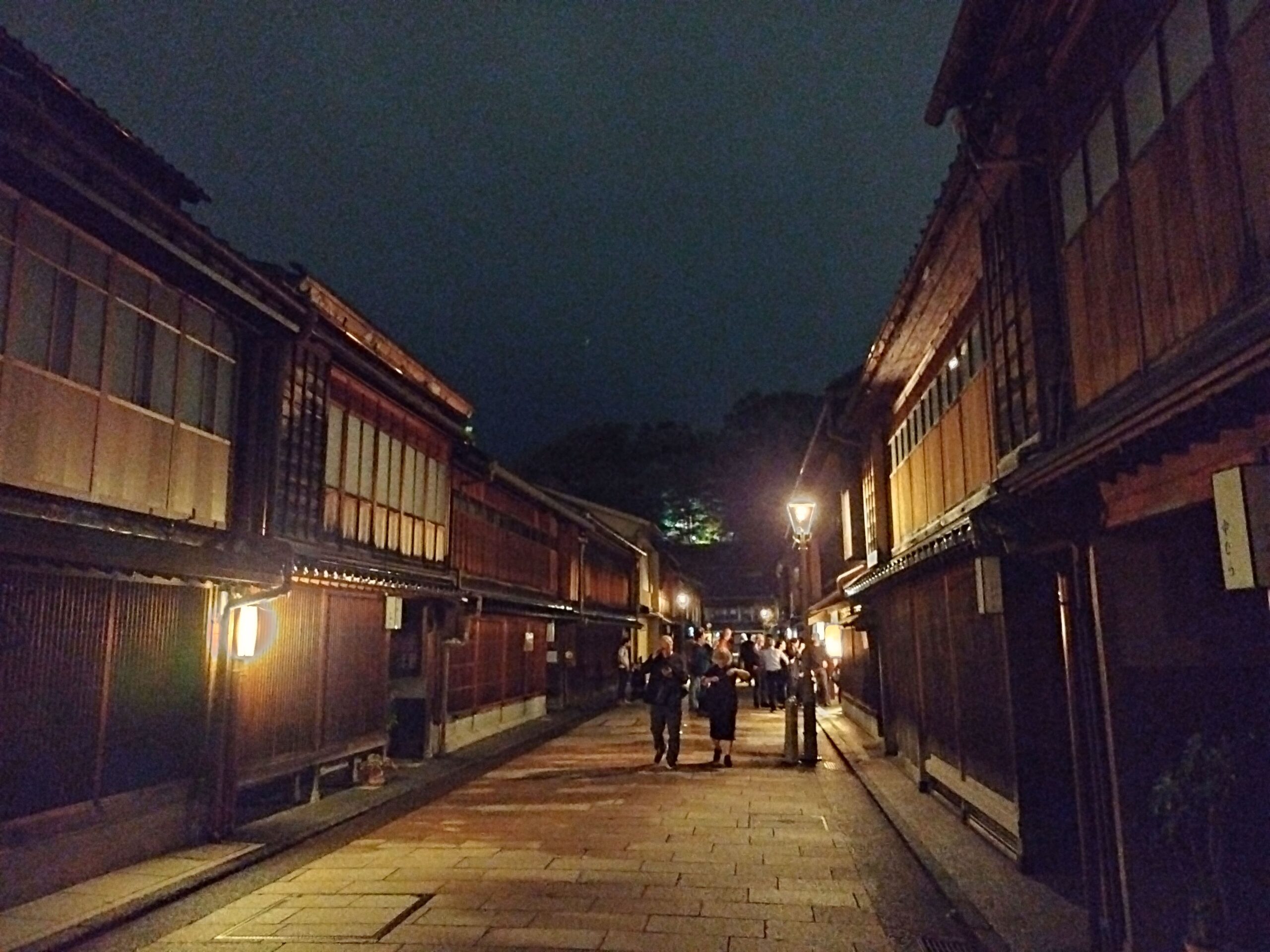
- Kanazawa’s Premier Cultural District: Established two centuries ago during the samurai era, this is the largest of Kanazawa’s three historic teahouse districts.
- High-Class Entertainment Venues (Not Cafés!): An “Ochaya” (teahouse) was an exclusive VIP club where wealthy merchants and elite samurai enjoyed fine dining, music, and geisha performances.
- Preserved Edo-Period Architecture: Thanks to escaping wartime destruction, its beautiful wooden buildings, lattice windows (kimusuko), and stone-paved streets remain fully intact.
- A Living Tradition: While many buildings now house artisan craft shops and gold-leaf cafes, several exclusive teahouses still host authentic geisha banquets every evening.
2.2 Simplified Summary (Clear & Direct)
👉 A quick overview focusing on the atmosphere for travelers seeking essential highlights without dense jargon.
- Step Back to the Samurai Era: A historic neighborhood that feels like a real-life movie set from 200 years ago.
- The World of Geisha Artistry: Famous for “geiko” (local geisha) who perform traditional dance, shamisen lute music, and drum shows.
- Gold Leaf & Local Delights: Today, you can explore traditional craft shops, try gold-leaf ice cream, or step inside museum-teahouses.
2.3 One-Liner Takeaways (For Quick Readers)
👉 Punchy, memorable takeaways to share with travel companions!
- Think of it as Kanazawa’s version of Kyoto’s Gion—but intimate, serene, and beautifully preserved.
- By day, it’s a gold-leaf craft paradise; by night, an exclusive salon of music and tradition.
3. Essential Basic Information
Here are 10 foundational facts to help you appreciate the depth and charm of the Higashi Chaya District before reading our detailed spot-by-spot stories.

- Preserved Samurai Heritage: Spared from World War II bombing, the district retains its authentic 19th-century urban layout and wooden architecture.
- The Meaning of “Ochaya”: Historically, teahouses were not places to drink green tea, but private venues for music, banquets, and high culture.
- Geisha vs. Geiko: In Kanazawa and Kyoto, geisha are respectfully called geiko, representing highly trained professional artists.
- The Strict “No First-Time Visitors” Rule: Traditional teahouses still enforce ichigen-san okotowari—meaning you cannot enter without a personal introduction from a trusted patron.
- Distinctive Two-Story Design: Buildings feature tall second floors for guest banquet parlors (ozashiki) and ground floors designed for staff privacy.
- Kimusuko (Bug-Cage Lattices): Fine wooden lattice windows allow guests inside to look out unseen, preserving privacy and mystery from the street.
- Bengara Red Walls: Interior and exterior walls are painted with bengara (deep iron-oxide red pigment), creating a warm, elegant evening glow under lantern light.
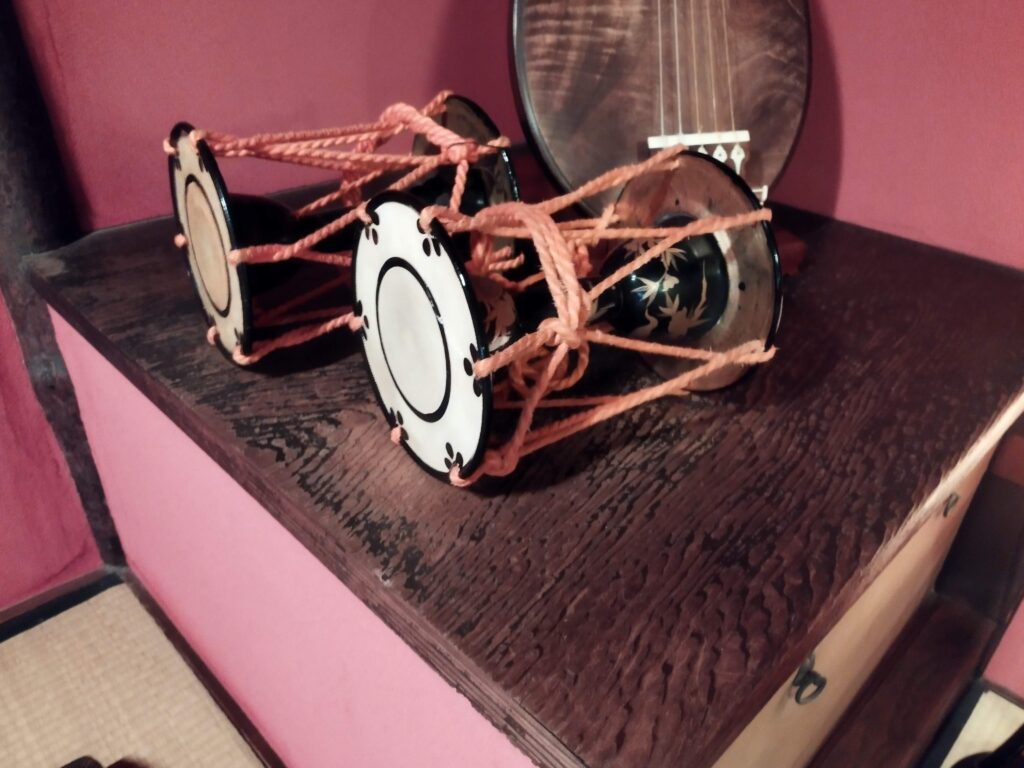
- Kanazawa’s Unique Drum Tradition: Unlike Kyoto, Kanazawa geiko are renowned for performing dynamic taiko drum shows during banquets.
- Centuries-Old Artisan Shops: Tucked among the historic facades are traditional confectioners and sake shops that have operated continuously for nearly 400 years.
- Modern Accessibility: While traditional night banquets remain private, select historic teahouses (like Shima and Kaikaro) open as museums or host tourist performances during the day.
4. Entire Chaya District Area 🏮
🍵 Genji: Welcome to the streets of Higashi Chaya! Before we dive into funny stories, let’s look at the essential history and clear up common traveler questions so you can truly appreciate what makes this cobblestone neighborhood so extraordinary.
4.1 Key Facts & History (10 Essential Points)
Here are 10 core historical facts explaining how this pleasure quarter evolved into a world-class cultural site:
- Largest of the Three Districts: Kanazawa has three preserved samurai-era teahouse districts, and Higashi Chaya is the largest and most famous.
- High-Class Banquets, Not Cafés: An ochaya was an elite venue where geisha entertained merchants with fine arts, music, and dance—never a place for drinking casual afternoon tea.
- Geiko as Professional Artists: Known locally as geiko, these women were master performers of dance and music, distinct from modern nightclub hostesses.
- Consolidated 200 Years Ago: Originally scattered across the castle town, teahouses were gathered into designated districts around 1820 to regulate luxury and extravagance.
- Spared from War: Because Kanazawa avoided WWII air raids, the original 19th-century wooden architecture and delicate lattice windows remain wonderfully intact.
- Modern Transformation: Many historic buildings now house gold-leaf workshops, sweet shops, and fine dining, while several remaining active teahouses still host geiko banquets.
- The “No First-Time Visitors” Policy: Authentic teahouse culture still honors ichigen-san okotowari, meaning guests can only enter through an introduction by a trusted, existing patron.
- Exclusive Performance Access: Today, travelers can reserve special daytime performances at select teahouses through specialized local offices.
- High Cultural Emphasis: Although bounded by wooden fences like red-light districts in other feudal cities, Kanazawa’s teahouses uniquely prioritized sophisticated artistic performances over casual entertainment.
- Living History: Amid the 100 historic buildings, you’ll find traditional confectionery shops and sake merchants that have operated continuously for nearly 400 years!
4.2 Real Visitor Questions (Q&A)
Curious about what goes on behind those wooden lattice windows? Here are quick answers to questions travelers ask most:
- Q: What was this district built for?
A: It was an exclusive cultural escape for wealthy merchants, literati, and high-ranking samurai to enjoy refined entertainment. - Q: When was it established?
A: About two centuries ago (1820) as a walled entertainment quarter known as yugaku. - Q: Why was it placed here on the outskirts?
A: Feudal lords feared the spread of lavish lifestyles and consolidated teahouses on the city borders to keep them isolated. - Q: Did geisha live here in the teahouses?
A: No, nobody lived inside the teahouses—geisha, managers, and staff commuted from home, much like modern professionals today! - Q: Is the street the same as in the samurai era?
A: Yes! Thanks to escaping war damage, the street layout, stone pavements, and wooden facades remain authentic. - Q: What can travelers enjoy here today?
A: You can explore historic teahouse museums, try gold-leaf crafts, taste local sake and wagashi (sweets), or dress in a kimono for a stroll. - Q: What is the area like at night?
A: Quiet and mystical! Soft lantern light reflects off cobblestones while private geiko banquets take place quietly behind closed doors. - Q: Can we see geisha walking around during the day?
A: Rarely. Geiko spend their daytime practicing instruments in private studios and do not walk around in full kimono attire until evening banquets.
4.3 Story: How Did This District Come to Be? 🤣
🍵 Genji’s Behind-the-Scenes Story: Why did the samurai government build three separate teahouse districts? Here is a witty look at the feudal “luxury pandemic”!
- Originally, this area was a bustling travel hub filled with temple visitors and merchants crossing the river.
- Towards the end of the samurai era, strict feudal discipline began to relax, and citizens developed an insatiable passion for teahouse entertainment.
- To curb this growing wave of indulgence, the local government designated specific zones to concentrate and isolate teahouses.
- As a result, Higashi Chaya was established on the eastern edge of the city, with a second district just across the river.
- Later, a third district was created on the western outskirts—bringing the total to three.
- Perhaps the authorities believed that “decentralizing” entertainment was the best way to contain the spread of the “luxury virus”!
- This quarantine approach was reminiscent of ancient methods used against infectious diseases—but unfortunately, it came far too late.
- If it had been a real physical virus, quarantine might have worked.
- However, the human craving for fun and entertainment proved far more contagious than any airborne illness!
- Even today, two centuries later, that irresistible allure continues to transcend time and space, drawing travelers from all over the world to this exact spot!
4.4 Story: Is Kanazawa the Only Teahouse District? 🤣
🍵 Genji’s Cultural Deep Dive: How does Kanazawa compare to Kyoto’s Gion or Tokyo’s historic Yoshiwara? Here’s a humorous reflection on talent and local life!
- Other historic entertainment districts exist in Japan—most famously Kyoto’s iconic Gion.
- During the samurai era, Gion evolved into a “Hanamachi” (Flower Town), combining licensed quarters with refined teahouse arts.
- In Edo (old Tokyo), the legendary Yoshiwara district became a famous center of nightlife and cultural fashion.
- Kanazawa, sharing a rich cultural heritage with Kyoto, developed its own distinct teahouse districts that attracted extraordinarily talented geiko.
- While surrounded by wooden privacy fences, Kanazawa’s district always placed immense pride on high artistic standards rather than simple entertainment.
- For women without artistic talent back then, however, it might not have been the easiest place to thrive!
- Fortunately, modern Kanazawa embraces diversity—allowing people without performing arts skills to flourish in gold-leaf craft, sake brewing, or Japanese confectionery!
- It is truly a privilege to live in a historic city with such an inclusive, creative spirit.
- In fact, even someone like me—who embodies the classic Japanese saying “Mugei Taishoku” (no artistic talents, but a great appetite!)—can find a warm welcome and a meaningful role here as your guide!
5. Teahouses in General 🏯
🍵 Genji: Ever wondered what actually goes on inside those mysterious two-story wooden buildings? An ochaya (teahouse) is a masterpiece of clever architecture and exclusive hospitality. Let’s step inside!
5.1 Essential Architecture & System Facts (10 Key Points)
Here are 10 fascinating secrets behind teahouse design, privacy, and business operations:
- Strict Credit Business: Authentic teahouses operate on deferred payment (tsukebarai). Patrons never pay on the spot; instead, the introducer guarantees the bill, making trust the true currency.
- A Rare Indoor Glimpse: While Kyoto’s teahouses remain strictly private, Kanazawa is unique—select historic teahouses like Shima and Kaikaro allow travelers to view their authentic interiors!
- Two-Story Functionality: The ground floor was designed for the proprietress (Okami) and service staff, while the luxurious second floor was reserved exclusively for guest banquets.
- Separate Staircases: To preserve an illusion of pure luxury, guests and staff used entirely separate staircases so guests would never see the daily chores of the house.
- High Ceilings for Acoustics: Second-floor banquet rooms feature unusually high ceilings for traditional Japanese architecture, specifically designed to amplify shamisen music and vocal performances.
- The Dramatic Curtain-Up: Guests sit facing the alcove while geiko wait in the adjoining antechamber. When performance time begins, sliding doors glide open like a theatrical stage curtain!
- No Cooking in the Kitchen: Teahouses were social venues, not restaurants. Kitchens only warmed sake and prepared tea; extravagant Multi-course meals were catered from specialized local restaurants.
- Miniature Courtyards (Tsuboniwa): Compact inner gardens provided natural light and ventilation while skillfully arranging moss and stepping stones to create a soothing sense of spatial depth.
- Lacquered Pillars & Red Walls: Pillars are coated in dark lacquer to prevent decay, while walls feature deep reddish bengara pigment, creating an intimate, relaxing ambiance under lantern light.
- Interactive Taiko Performances: Kanazawa teahouse banquets are uniquely interactive—geiko invite guests to pick up drumsticks and join in beating traditional taiko drums!

5.2 Real Visitor Questions: Inside the Teahouse (Q&A)
Ever wondered how people spent their time inside? Here are answers to the most common traveler queries:
- Q: Did guests stay overnight here like an inn?
A: No, teahouses were strictly evening social clubs. Guests enjoyed banquets and returned home at night. - Q: Were traditional tea ceremonies held here?
A: Tea could be served upon request, but teahouses were built for music, dining, and performing arts rather than solemn tea rituals. - Q: How were rooms kept comfortable in summer and winter?
A: In summer, sliding doors were removed and courtyards created cool breezes; in winter, charcoal braziers (hibachi) warmed the tatami rooms. - Q: Why does each banquet room have a different color and layout?
A: Room colors were varied to complement different performance styles and enhance the beauty of geiko costumes under warm lighting. - Q: What makes a teahouse different from a standard townhouse (machiya)?
A: A machiya was a practical living space with storage closets; a teahouse was pure entertainment space, devoid of mundane household clutter.

5.3 Story: Secret Salons & The Modern IT Boom 🤣
🍵 Genji’s Behind-the-Scenes Story: What happens when 200-year-old teahouse secrets meet modern Information Technology?

- For centuries, teahouses operated as exclusive secret salons where only trusted patrons were allowed inside.
- Inside spacious tatami rooms adorned with gold folding screens, guests sipped sake while watching geiko perform in the adjoining chamber.
- It wasn’t just a one-way performance—guests picked up drumsticks, played traditional party games, and let their hair down.
- Because of strict privacy rules, even ordinary Japanese citizens had no idea what actually happened behind those closed doors.
- But thanks to the modern IT boom and social media, the secrets are finally out!
- People were surprised to learn that while geiko performances require incredible artistic skill, the parlor games themselves are wonderfully simple and playful.
- To enjoy these games, high-status guests had to throw away their dignity and embrace a silly, childlike attitude!
- Much like “IoT” (Internet of Things) connects everything today, geisha parlor games have gone viral—captivating travelers from every corner of the globe.
- Perhaps in the near future, a new slang expression will catch on among tech-savvy travelers: “I owe tea! Let me treat you at the teahouse!”
5.4 Story: The Teahouse Ecosystem & Politics 🤣
🍵 Genji’s Cultural Deep Dive: How a 200-year-old credit system survived into the 21st century—and why the government became the ultimate patron!
- An ochaya operated as the event manager of the traditional entertainment world.
- First, they planned custom banquet itineraries based on the preferences of longtime patrons.
- Next, they booked talented geiko through management offices (okiya) and ordered fine meals from top caterers.
- After the party, the teahouse collected payments from patrons and settled bills with performers and caterers.
- For VIP clients, teahouses billed only once or twice a year—making the introducer’s financial guarantee essential.
- As modern entertainment options like golf and travel expanded, traditional teahouse gatherings declined.
- However, with the recent surge in global tourism, teahouse arts have experienced a dramatic and exciting revival!
- Interestingly, the Japanese government has become the new ultimate “patron”—promoting inbound tourism to boost the national economy.
- Perhaps it’s time to update our political terms: change the Ruling Party to the “Tea Party” that everyone loves, and rename the House of Representatives to the “Tea House”!
6. Geisha & Geiko World 🌸
🍵 Genji: The word “Geisha” is famous worldwide, but it is also one of the most misunderstood cultural figures in Japan! Let’s clear up the myths and look at the real life and artistry of Kanazawa’s geiko.
6.1 Essential Facts: The Real Geiko (10 Key Points)
Here are 10 core facts explaining who geisha truly are and how Kanazawa’s tradition stands out:
- Regional Name “Geiko”: While known internationally as “Geisha,” they are traditionally called Geiko in Kyoto and Kanazawa.
- Master Artists, Not Hostesses: Geiko are professional performing artists who spend years mastering dance, shamisen, vocal arts, and tea ceremony—never nightclub hostesses.
- Kanazawa’s Drumming Tradition: Unlike Kyoto, Kanazawa geiko are famous for their powerful and rhythmic taiko drum performances during banquets.
- No “Maiko” System in Kanazawa: Kyoto has apprentice geisha called Maiko, but Kanazawa trains artists directly as professional Geiko.
- Independent Freelancers & Okiya: Geiko belong to management houses called okiya, though experienced artists operate as independent freelancers.
- Per-Event Income: Geiko are not salaried employees; they earn income per banquet performance, with major expenses going toward practice, hair styling, and exquisite kimono.
- Dispatched to Teahouses: Geiko do not live or work exclusively inside one teahouse; they are dispatched to various venues upon request.
- No Retirement Age: As individual artists, geiko can perform for a lifetime. In fact, Kanazawa is home to active geiko who are older than world leaders!
- Daytime Training, Night Performances: Geiko spend their daytime hours in intense rehearsal studios, saving their full kimono and makeup transformation for evening banquets.
- Modern Career Choice: Today, young women from all over Japan come to Kanazawa voluntarily to pursue geiko artistry as a respected career in traditional Japanese culture.

6.2 Myths vs. Reality: Life of a Geiko (Q&A)
Clearing up the biggest misconceptions travelers bring to Japan:
- Q: Why did people overseas misunderstand geisha in the past?
A: Post-war pop culture, Hollywood movies, and historical confusion between courtesans and geisha created many Hollywood-style myths that don’t match reality. - Q: How do geiko train their skills?
A: While Kyoto has special schools, Kanazawa geiko study independently under master teachers in each discipline, from classical dance to drumming. - Q: What do geiko talk about with banquet guests?
A: Everything! From current news and local history to sports, arts, and jokes—they are masters of keeping conversation witty and relaxed. - Q: Is that real hair or a wig?
A: In the past, geiko styled their natural hair weekly. Today, modern geiko wear custom-fitted traditional wigs (katsura) for convenience during intense practice schedules. - Q: What is a geiko’s day off like?
A: Just like modern professionals! On days off, they wear casual clothes, go shopping, relax at cafes, and enjoy leisure time like anyone else.

6.3 Story: How Many Geiko Are in Town Today? 🤣
🍵 Genji’s Behind-the-Scenes Story: What if local housewives stepped in to help geiko during peak tourist seasons?

- A century ago, hundreds of geiko filled Kanazawa’s teahouse districts, but numbers dropped sharply during modern times.
- Thanks to the recent boom in international travel, the Higashi Chaya District has regained its vibrant atmosphere!
- Today, aspiring geiko move to Kanazawa from all over Japan—there are enough geiko now that you could meet a different artist every day for over a month.
- However, with an aging population, recruiting new talent remains an ongoing mission.
- Interestingly, Kanazawa is a city where many local women practice tea ceremony, calligraphy, and walk gracefully in kimono daily.
- Could culturally refined local wives step in to assist geiko during busy travel seasons?
- Many husbands might object: “My wife spends all day refining her arts, but she never pours me a glass of beer at home!”
- Those husbands miss the point—a true geiko never caters to boorish customers anyway!
- Local wives who calmly manage their husbands with a polite smile might already possess the natural talent of a master geiko!
6.4 Story: Why Do Geisha Paint Their Faces White? 🤣
🍵 Genji’s Cultural Deep Dive: The real secret behind the iconic white makeup (oshiroi)—from candlelight aesthetics to anti-harassment armor!
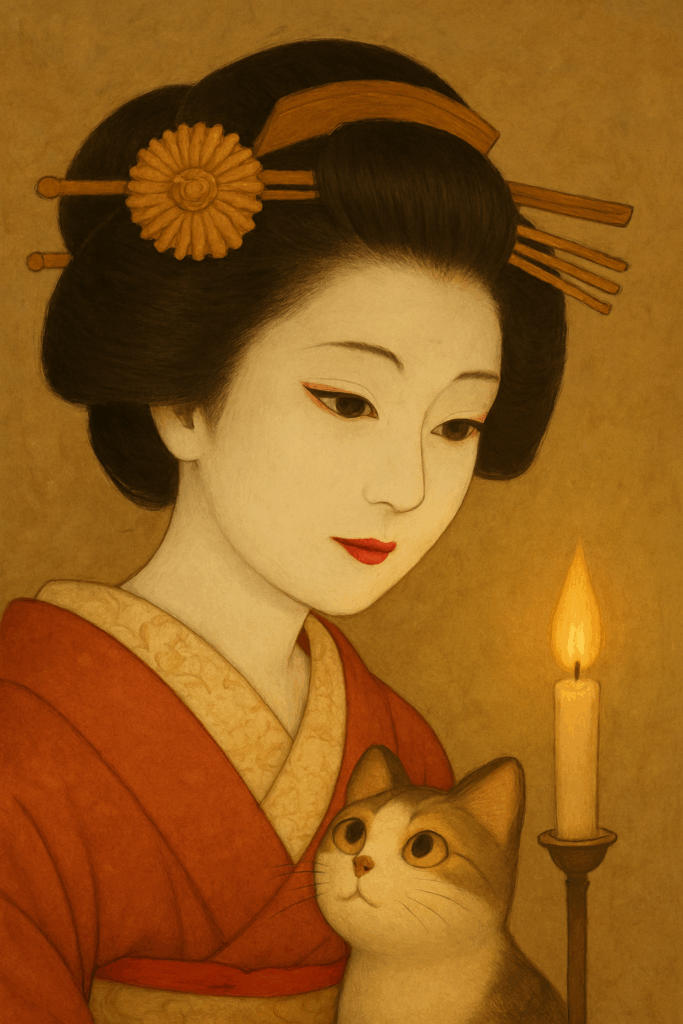
- One major reason for white makeup was stage acoustics and lighting—in the Edo period, banquet rooms were lit only by dim candlelight.
- Thick white makeup allowed an artist’s facial expressions to glow dramatically in the dark.
- Geiko makeup was also heavily inspired by traditional Kabuki theater actors.
- In Japan, there is a famous old proverb: “White skin conceals seven flaws.”
- It carries a nuance similar to a “white lie”—meaning a fair complexion gracefully masks minor imperfections.
- In modern times, white makeup might even offer unexpected practical benefits—like ultimate sun protection during summer outdoor festivals!
- Even better, thick makeup acts as a subtle psychological shield against rude customers—allowing a geiko to hide any annoyance behind a perfectly serene white mask!
7. Geisha Entertainment (Geisha Asobi) 🍵
🍵 Genji: What actually happens during a geisha banquet? From traditional parlor games to high-society credit systems, let’s look at the art, rules, and playful spirit of Geisha Asobi.
7.1 Essential Concepts: What is Geisha Asobi? (10 Key Points)
Understanding the distinction between whole-banquet entertainment and specific parlor games:
- The True Meaning of “Geisha Asobi”: Literally “playing with geisha,” it refers to the entire banquet experience—fine food, music, dancing, and conversation—synonymous with teahouse entertainment (Chaya Asobi).
- The Meaning of “Ozashiki Asobi”: Refers specifically to the interactive parlor games played during the banquet between geiko and guests.
- Pure Arts & Hospitality: Despite the literal translation of “playing in a private room,” geisha banquets are formal cultural venues dedicated entirely to art and hospitality—never sexual services.
- Intimate Access to Classical Arts: It offers a rare, up-close opportunity to experience live shamisen music, traditional dance, and classical vocals in an intimate tatami setting.
- Exclusive vs. Accessible Events: While traditional teahouse banquets require private introductions, modern tourist-friendly performance shows are now available during the day.
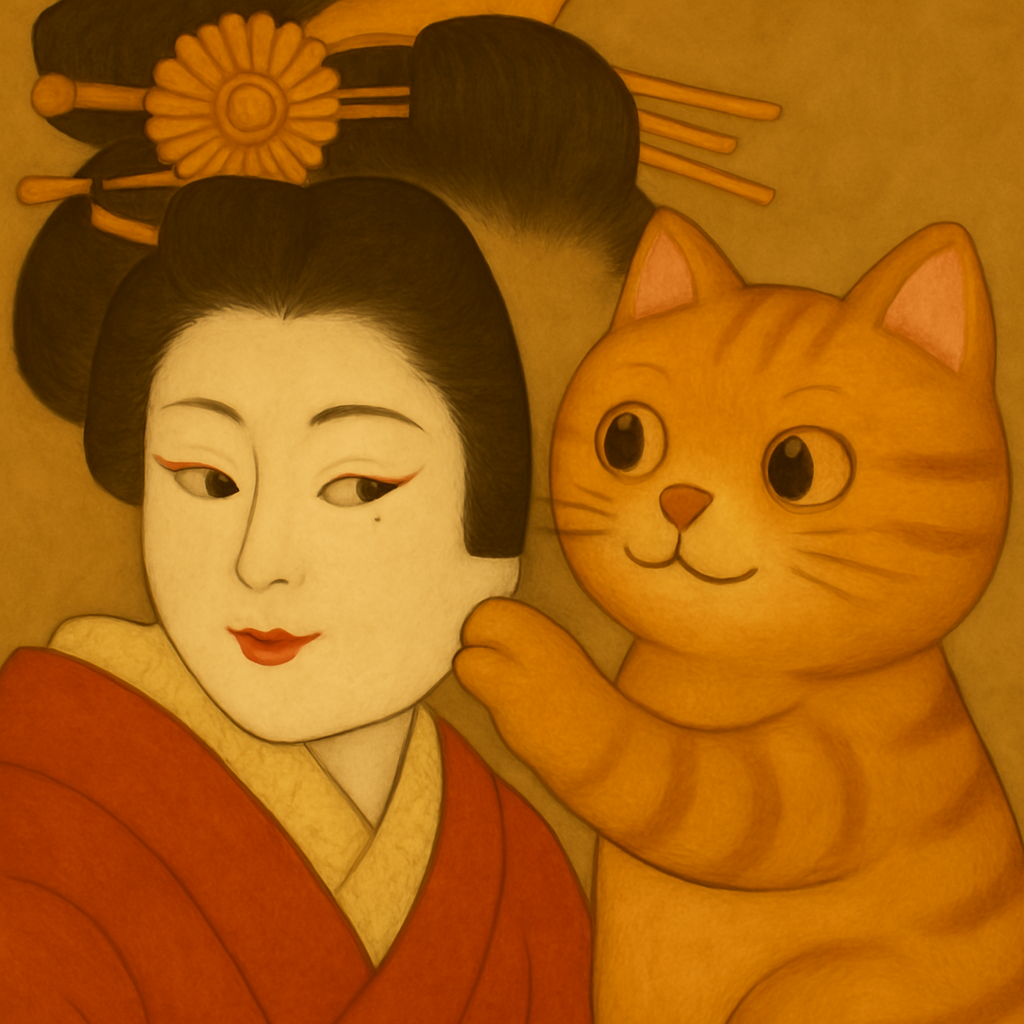
- Interactive Parlor Games: During Ozashiki Asobi, geiko use their professional charm to lead lively, humorous traditional games that include everyone in the room.
- One-on-One Showdowns: Most parlor games feature a guest competing one-on-one against a geiko while everyone else cheers and watches the action.
- Playful Penalties: All games are simple enough for anyone to play regardless of language, with the loser receiving a fun penalty—usually drinking a small extra cup of sake!
- Modern Event Formats: Today, geisha events are generally divided into private traditional banquets, open concert-style theater shows, and dining party experiences.
- Atmosphere Masters: Geiko show their true mastery by smoothly shifting the room’s energy from elegant, quiet dance performances to joyful, high-energy party games!
7.2 Spoken Guides: Quick Expressions for Travelers
Short, clear summaries designed for quick explanations while walking or introducing Japanese culture:
1. Geisha asobi means the entire experience: the whole banquet where geisha entertain you. We sometimes call it teahouse entertainment.
2. Ozashiki-asobi simply means the traditional games that are interactive part of the whole Geisha asobi experience.
3. Geisha asobi is all about arts and hospitality. It’s a formal, traditional setting—not sexual in any way.
4. Here, you get a rare chance to see traditional Japanese arts—the songs, dances, and shamisen music—up close and personal.
5. Traditionally, Geisha asobi was only held at exclusive ochaya, traditional tea house, but open versions for tourists are available these days.
6. During Ozashiki asobi, the geisha use their professional skill to make the party lively!
7. Mostly, it’s one geisha versus one guest, competing for fun while everyone else watches and cheers.
8. If you lose, you get a fun penalty—usually drinking an extra cup of sake!
9. Aside from private, exclusive parties, most geisha events are either open concert-style shows or dining parties.
10. Geisha show their skill by smoothly moving from elegant performances to fun, lighthearted games, keeping the mood high.
7.3 Entertainment Q&A: Common Visitor Queries
- Q: Is traditional geisha entertainment expensive?
A: Yes, traditional private banquets have no set price tags and can cost significantly more than standard dining experiences to support the high costs of teahouse architecture and geiko training. - Q: How long does a geisha banquet last?
A: Traditional private sessions can last several hours depending on the host’s mood, while modern tourist programs are typically standardized to two hours. - Q: Can guests participate in the performance?
A: Absolutely! In Kanazawa, guests are frequently invited to join geiko in beating taiko drums and playing interactive parlor games. - Q: Can adults really enjoy simple parlor games?
A: Yes! The charm lies in how geiko turn simple, childlike rules into a witty, competitive event where guests gladly throw away their adult stress. - Q: What is the famous Tosenkyo game?
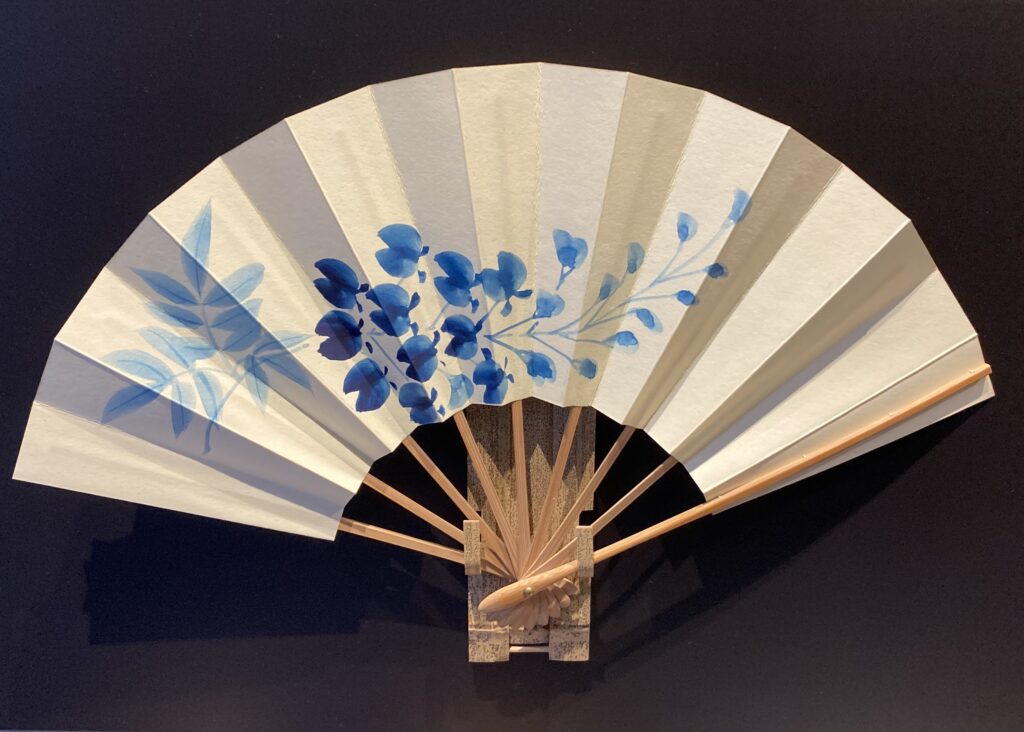
A: Tosenkyo is a 1,000-year-old game where players toss open folding fans at a target set on a box, scoring points based on how the fan lands!

7.4 Story: The True Essence of “Pay Later” 🤣
🍵 Genji’s Behind-the-Scenes Story: Why authentic teahouse culture relied on deferred payment—and why someone always has to pay!
- Authentic geisha entertainment is open-ended—the party flows naturally with the mood, and the cost is unknown until the bill arrives months later.
- Modern tourist experiences use transparent upfront menus, but authentic teahouse culture historically relied entirely on deferred payment (tsukebarai).
- Enjoying a night where you don’t even ask the price requires incredible financial confidence—and absolute mutual trust between patron and teahouse.
- To wealthy international visitors, deferred payment sounds like the ultimate VIP luxury!
- However, in English, we have a famous saying: “Someone has to pay the price.”
- In the teahouse world, if a guest fails to pay their bill, the trusted introducer must cover the entire cost—so the teahouse never loses!
7.5 Story: The Konpira Funabune Cup Game 🤣
🍵 Genji’s Cultural Deep Dive: How a simple cup-and-cushion game turns serious adults into samurai-era patrons!
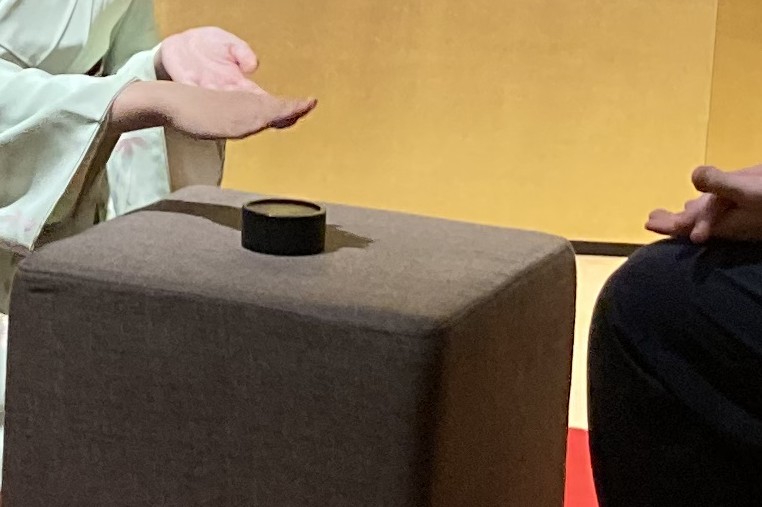

- One of the most famous parlor games is Konpira Funabune, played to a cheerful traditional song about taking a boat ride to a sacred shrine.
- A wooden bowl is placed on a cushion between the guest and the geiko. Following the rhythm of the song, players take turns either touching the bowl or lifting it—using an open palm.
- If your opponent lifts the bowl away, you must instantly strike the cushion with a closed fist!
- If you accidentally slap the cushion with an open palm or touch the bowl with a fist, you lose the match!
- It sounds like a simple child’s game, but with an elegantly dressed geiko sitting right in front of you as the song speeds up, adults get surprisingly competitive!
- Travelers often assume that geiko are simply playing along to flatter the guests.
- In reality, it’s usually the guests who end up playing along with the geiko—just like wealthy samurai patrons did two centuries ago!
- So… does that mean everyone joining us in Kanazawa tonight is becoming a samurai patron?
🍵 Final Words & Acknowledgments
🍵 Genji: Thank you so much for exploring the secrets of Higashi Chaya District with me! If you have any questions or are planning a visit to Kanazawa, feel free to reach out via our services page below. Wishing you an incredible journey in Japan!
📧 Assistance & Services 📞 💎 GOLD v.5b.4a.4a/S1
Appendix: Recommended Local Spots in Higashi Chaya
Official websites for exploring authentic teahouse architecture and gold-leaf culture in Kanazawa:
- ■ National Important Cultural Property “Shima”
An authentic Edo-period teahouse building preserved in its original form. Perfect for viewing historical guest rooms, high ceilings, and inner courtyards.
Shima Official Website (External Link) - ■ Kaikaro Teahouse
An active, prestigious teahouse that upholds the “no first-time visitors” rule at night, while opening its famous gold-leaf tatami room to the public during the day.
Kaikaro Official Website (External Link) - ■ Hakuichi (Gold Leaf Ice Cream)
Home to Kanazawa’s iconic gold-leaf soft-serve ice cream—a must-try experiential street food right in the center of the district.
Hakuichi Higashiyama Store Info (External Link)
* Please check official websites for current opening hours before visiting.


