 ユイ(Yui)
皆さん、こんにちは!日本の自然・里山ウオッチャー&ガイドのユイです。絶滅の危機を乗り越えた村の記憶『合掌造りの歴史(村民物語 / History of Gassho-Zukuri)』英語案内ページへようこそ!
白川郷の美しい合掌造り集落の裏側には、高度経済成長期のダム建設による水没や、養蚕業の衰退に伴う集団離村という過酷な歴史がありました。かつて2,000棟近くあった家屋の9割が消滅する中、危機感を募らせた村民たちが立ち上がり、保存運動を経て世界遺産登録へと繋げた感動的な歴史物語を紐解きます。
現場でサッと使える短文フレーズから、消滅を逃れた家屋が集まる「合掌造り民家園」の意義、ゲストをクスッと笑わせる「絶滅した恐竜・マンモスと巨大観光」雑談ネタまで網羅しました。目的の項目ボタンからご自由にご活用ください。
📍 Quick Navigation: 各章へジャンプ
11. 合掌造りの歴史(村民物語)
ここでは過酷な自然や社会の変化を生き抜いてきた村民の歴史と集落保存の歩みをカバーします。用途に合わせて以下のボタンから直接アクセスできます。
11.1 基本情報
ここでは合掌造りの(村民の)歴史の視点で押さえておきたい基本ポイントを10項目(日英)でご紹介します。実際に多くのインバウンドは目の前の建物だけでなく村民の歴史的な背景にも関心がありますので、お相手の状況に合わせて、使えそうなポイントやフレーズがあればご活用ください。英語サンプルは前半(1-5)(米国女性話者)と後半(6-10)(米国男性話者)の2ファイルに分けました。
《日本語のポイント》
- 現存する合掌造り集落は、日本の山間部に築かれた独特の建築様式と生活文化を今に伝える貴重な遺産である。
- 最高レベルの機能美を持つ合掌造り家屋は、18世紀から20世紀にかけて建てられ、築300年を超えるものも存在する 。
- しかし、20世紀後半、急激な生活スタイルと産業構造の変化により集団離村が相次ぎ、合掌造り家屋が激減した。
- 集団離村には主にダム建設による村の水没の為の強制的なものと、経済変化による自発的な離村に分けられる。
- 特に養蚕需要の低下は、養蚕業の発展と共に形成された大規模で維持コストの高い合掌造り家屋の経済的合理性を失わせた。
- かつて2千棟近くあった家屋の約9割が消失し、約100村あった村の2割が完全消滅したといわれている。
- これらの消滅が地元民の危機感と団結を促し、保存の為の住民憲章制定を経て世界遺産登録へと繋がった。
- 集団離村した合掌造り家屋のいくつかは日本各地の野外博物館に移築・保存されたり、都市部のレストランや観光施設に再利用されている。
- 「合掌造り民家園」はそのうちの一つで民族資産の散逸を防ぐ目的で1972年に開業した 。
- 単なるテーマパークでなくて離村集落から移築された25棟の合掌造り家屋とその歴史を伝える貴重な設備である。
《英訳例》
- The existing gassho-zukuri villages are a precious cultural heritage that embody the unique architectural style and mountain lifestyle developed in Japan.
- A pinnacle of functional beauty, gassho-zukuri houses were constructed between the 18th and 20th centuries, with some dating back over 300 years.
- However, in the latter half of the 20th century, rapid changes in lifestyles and industrial structures triggered a mass exodus from rural villages, leading to a dramatic decline in the number of gassho-zukuri houses.
- These abandoned villages generally fall into two categories: those evacuated due to dam construction that submerged the land, and those gradually depopulated due to economic shifts.
- In particular, the decline in sericulture undermined the economic rationale for maintaining the large, high-maintenance gassho-zukuri houses, which had been developed in tandem with the industry.
- It is said that about 90% of the nearly 2,000 houses that once stood in the region have disappeared, and roughly 20% of the 100 villages have been entirely wiped out.
- This loss sparked a sense of urgency and solidarity among local residents, ultimately leading to the adoption of a preservation charter and the designation of the area as a UNESCO World Heritage site.
- Some gassho-zukuri houses—collectively abandoned by villagers—have been relocated and preserved in open-air museums throughout Japan or repurposed as restaurants and tourist facilities in urban areas.
- The Gassho-Zukuri Minka-en, a folklore park opened in 1972, stands as a prime example established to preserve valuable ethnographic heritage.
- Far more than a theme park, it is a vital cultural facility showcasing 25 relocated gassho-zukuri houses, preserving not only their architecture but also the lost ways of life they once embodied.
11.2 口頭用簡略説明
ここではお相手との会話の合間や歩きながら使える様に上記基本情報の10項目を口頭説明用の簡略文に置き換えています。各文ごとに【英語 > 日本語】の順で記述しています。英語音声は各文短いので(米国女性話者)1ファイルです。

- These gassho-zukuri villages are a unique part of Japan’s cultural and architectural heritage.
(これらの合掌造り集落は、日本の文化的、建築的な遺産のユニークなところです。) - Many of the houses were built between the 1700s and 1900s, and some are over 300 years old.
(多くの家は1700年代から1900年代に建てられ、300年以上前のものもあります。) - In the late 20th century, big changes in society and industry caused many people to leave the villages.
(20世紀後半、社会や産業の急速な変化で多くの人が村を離れました。) - Some villages were abandoned because of dam construction, while others declined due to economic shifts.
(ダム建設で村ごと離れざるを得なかった場所や、経済の変化で自然に人口が減った村もあります。) - When sericulture declined, people could no longer afford to maintain these large, high-cost houses.
(養蚕業が衰退し、大きくて維持費がかかる家を保つのが難しくなりました。) - About 90% of the original 2,000 houses disappeared, and 20% of the villages vanished completely.
(かつて約2000棟あった家の9割が消え、村の2割は完全になくなったと言われています。) - This crisis brought people together and led to efforts to protect and preserve the area.
(こうした危機感から、地元の人々が団結し、保存の取り組みが始まりました。) - Some of the abandoned houses were moved to museums or reused in cities as restaurants or shops.
(一部の家は博物館に移されたり、都市でレストランや観光施設として再利用されています。) - The Gassho-Zukuri Minka-en, opened in 1972, is one example built to preserve this cultural heritage.
(白川郷にある『合掌造り民家園』はその一例で、1972年に文化を守るために作られました。) - It’s more than just a theme park—it displays 25 houses and the traditional life that once thrived there.
(単なるテーマパークではなく、25棟の移築家屋と、そこにあった暮らしの歴史を伝える大切な施設です。)
11.3 インバウンドの視点:笑いも取れるかも?
Q1 「合掌造り民家園」とはなんですか?
“What is the Gassho-Zukuri Minka-en?”
実際に入るかどうか考えるゲストも多く、それを元にいつもの2部構成(説明にも使える真面目パート:1-8&雑談力upの為のおふざけパート:9-15)でまとめてみました。今回は絶滅に関する表現を多めに織り込んでいます。各文ごとに【英語 > 日本語】の順で記述しています。
- The Gassho-Zukuri Minka-en is an open-air museum created over 50 years ago to protect 25 gassho-zukuri houses that were rescued from villages on the brink of disappearing.
(合掌造り民家園は、50年以上前に造られた野外博物館で、消滅の危機にあった村々から移築された25棟の合掌造りを保存・公開しています。) - Unlike theme parks built solely for profit, this site serves as a sanctuary—a last refuge—for these traditional homes, which were in sharp decline at the time.
(営利目的のテーマパークとは違い、この場所は、当時急激に減少していた伝統家屋にとっての“最後の避難所”のような存在でした。) - The goal was to preserve as much of their cultural value as possible.
(できる限りその文化的価値を残すことが目的だったのです。) - The complete loss of dozens of entire villages was a huge shock to the local people.
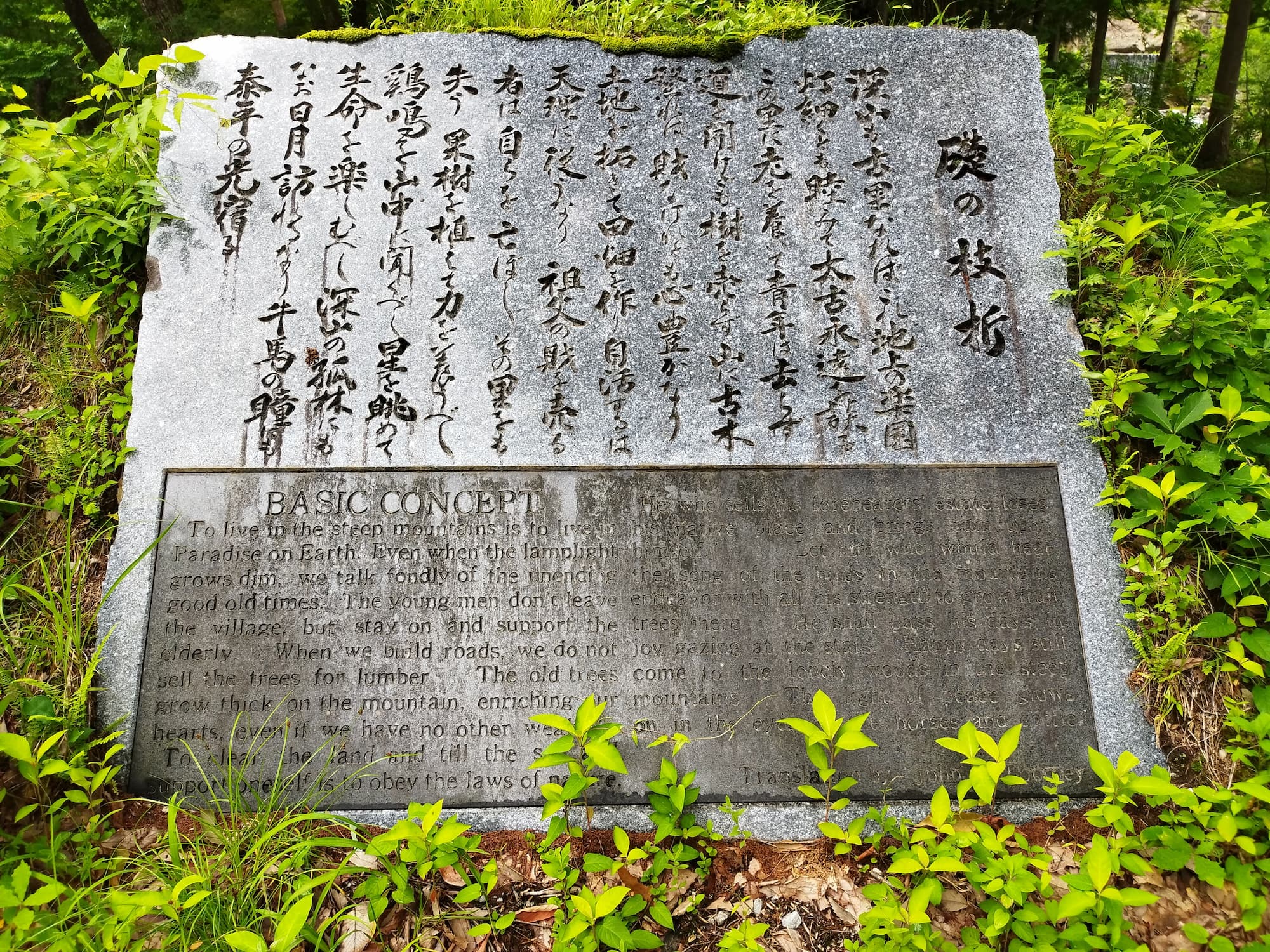
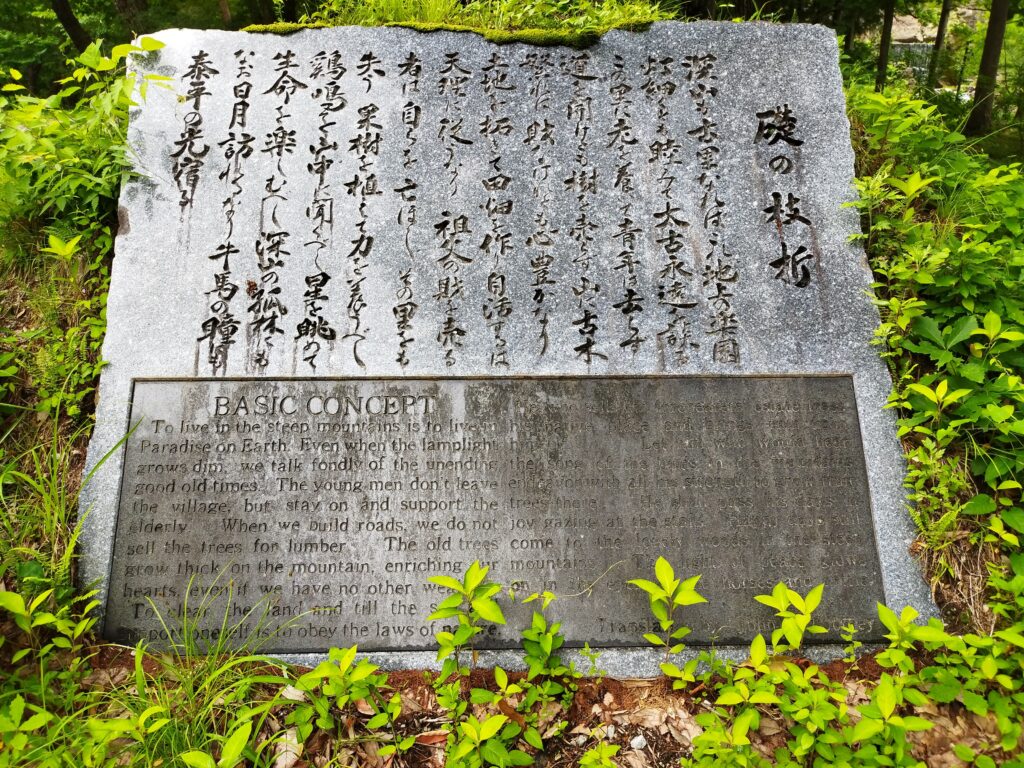
(何十という村が完全に失われたという事実は、地元の人々にとって大きな衝撃でした。) - The stone monument here, dedicated to the founder, stands like an epitaph, expressing their determination to protect what was vanishing.
(この園に建てられている創設者の記念碑は、まるで碑文のように、消えゆくものを守ろうとする強い意志を物語っています。) - Inside the houses, you’ll find panels showing old newspaper articles about the disappearance of a 700-year-old village and stories of families being separated.
(家の内部には、700年の歴史を持つ村の消滅や、家族が離れ離れになったことを伝える新聞記事などが展示されています。) - These displays reveal the hidden, sometimes painful side behind the beautiful exteriors of the gassho-zukuri.
(この展示から美しい外観の裏にある“影の側面”も感じ取れるようになっています。) - The interiors also recreate scenes from daily life in those days, including sericulture setups, farming tools, and forestry equipment—things you wouldn’t normally see in public museums.
(さらに、当時の暮らしの雰囲気も丁寧に再現されており、養蚕の道具や農具、林業の道具など、通常の博物館では見られない展示もあります。)
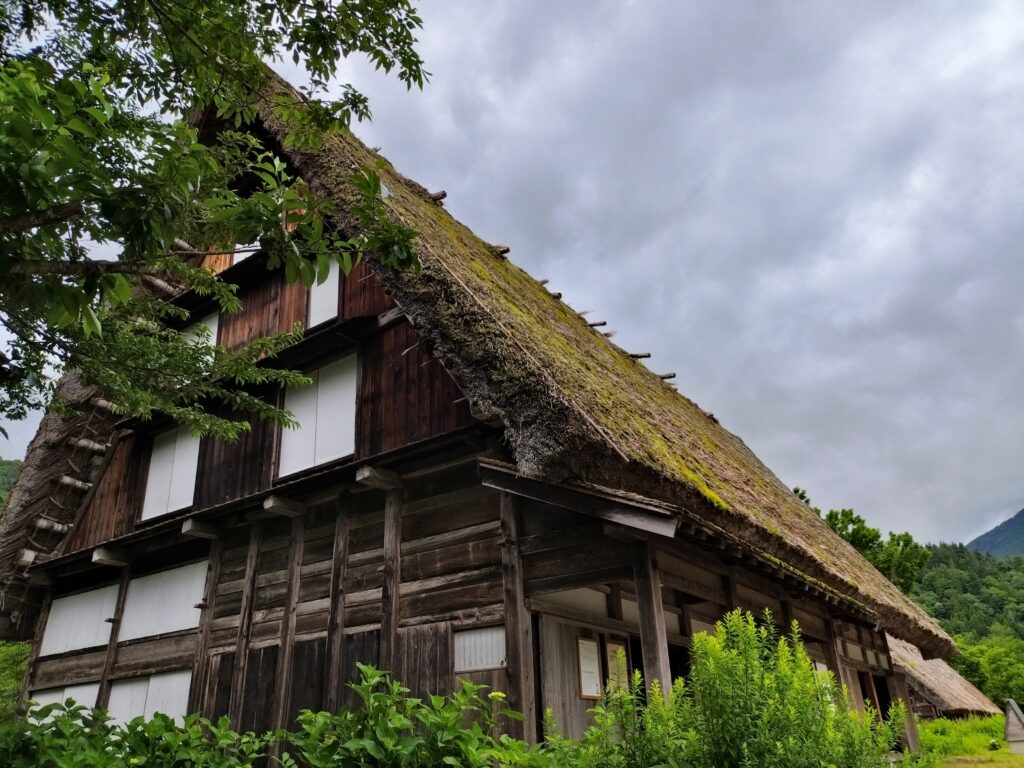
- Because some visitors mistake the park for just another tourist attraction, I always emphasize as a local guide that this place is quite different.
(訪れる人の中には、ここをただの観光施設と誤解する方もいるため、私は地元ガイドとして「ここは違います」と必ず伝えるようにしています。) - It tells the story of people who fought to save as many of these houses as they could.
(これは、できる限り多くの合掌造りを守ろうと奮闘した人々の物語が刻まれた特別な場所なのです。) - To help people understand, I sometimes compare gassho-zukuri houses to extinct dinosaurs.
(理解を深めてもらうために、私はよく「絶滅した恐竜」に例えます。) - They grew large in response to the thriving sericulture industry, but when that industry collapsed, their size made them unsustainable—just like dinosaurs that couldn’t adapt to a changing environment.
(かつて養蚕業の発展とともに巨大化した合掌造りの家は、その産業が衰退すると、大きな構造ゆえに維持が難しくなり、まるで環境に適応できなかった恐竜のように滅びていきました。) - Eventually, I found that the image of a mammoth made even more sense.
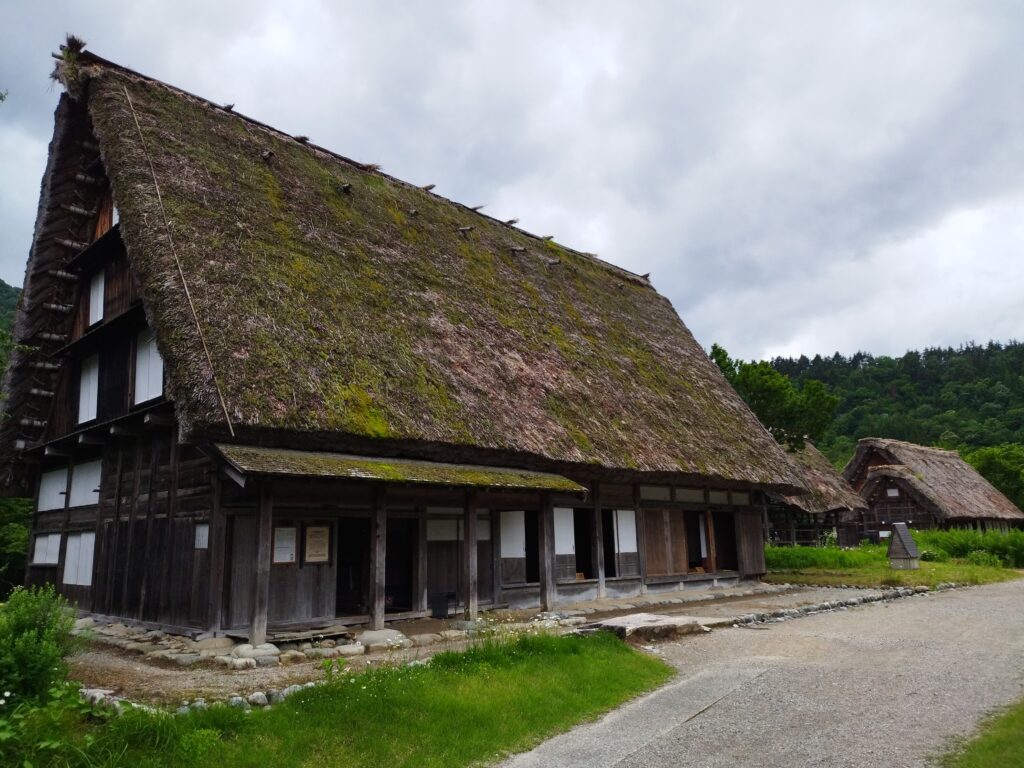
(ただ、その後、「マンモス」という比喩のほうがしっくりくることに気づきました。) - These steep, towering roofs actually resemble mammoths standing proudly.
(屋根が高くて大きいその姿は、まるで堂々と立つマンモスのようです。) - But over time, I realized the mammoth metaphor might be risky—some visitors could take it the wrong way, as if I were bragging about Shirakawa-go’s booming tourism.
(でも、やがてこの“マンモス”の例えが少し危ういかもしれないと感じるようになりました。というのは、マンモス=白川郷の巨大な観光産業なんて、まるで自慢しているように感じる方がいるかもしれないからです!)
合掌造りの歴史(村民物語)の解説はお楽しみいただけましたか?
最後のスポット(茅葺き屋根)や他の章へ移動する際は、冒頭の緑色ナビゲーションボタンをご活用くださいね!