Introduction
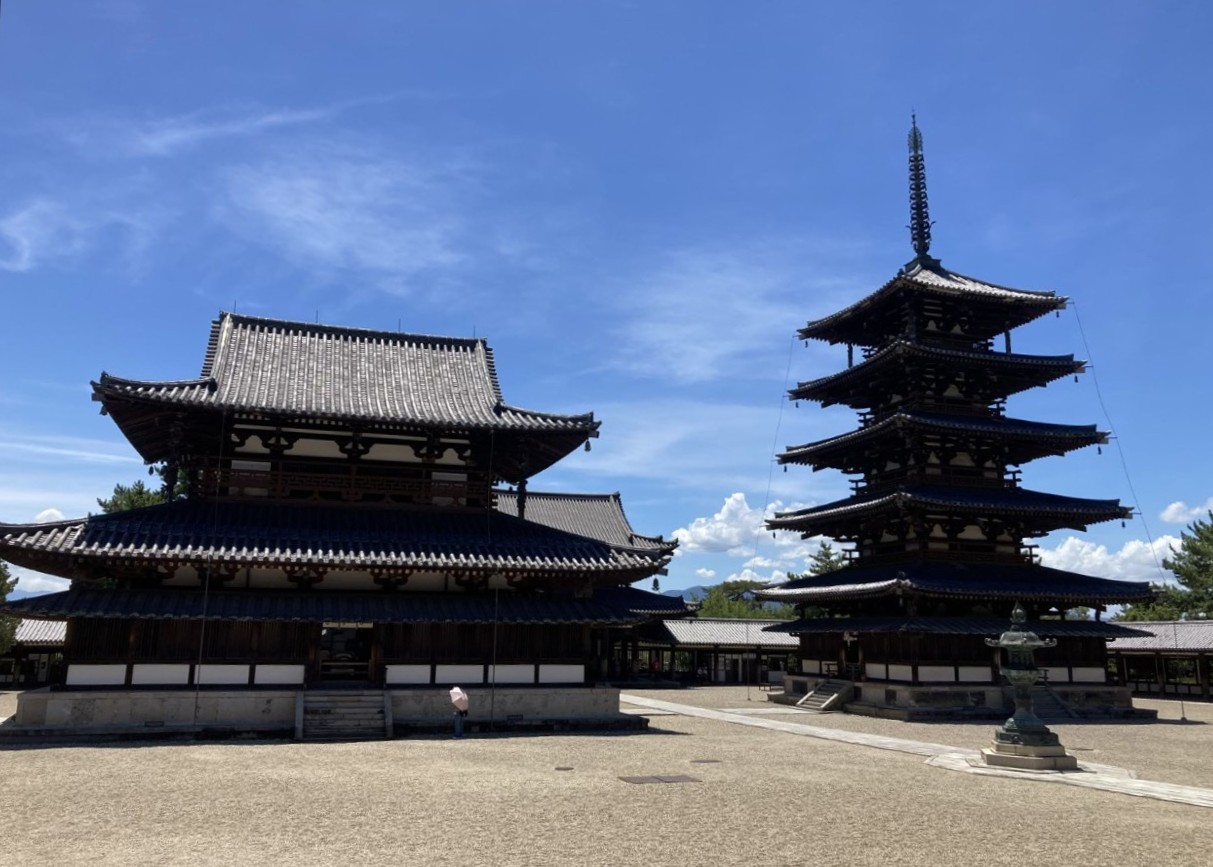
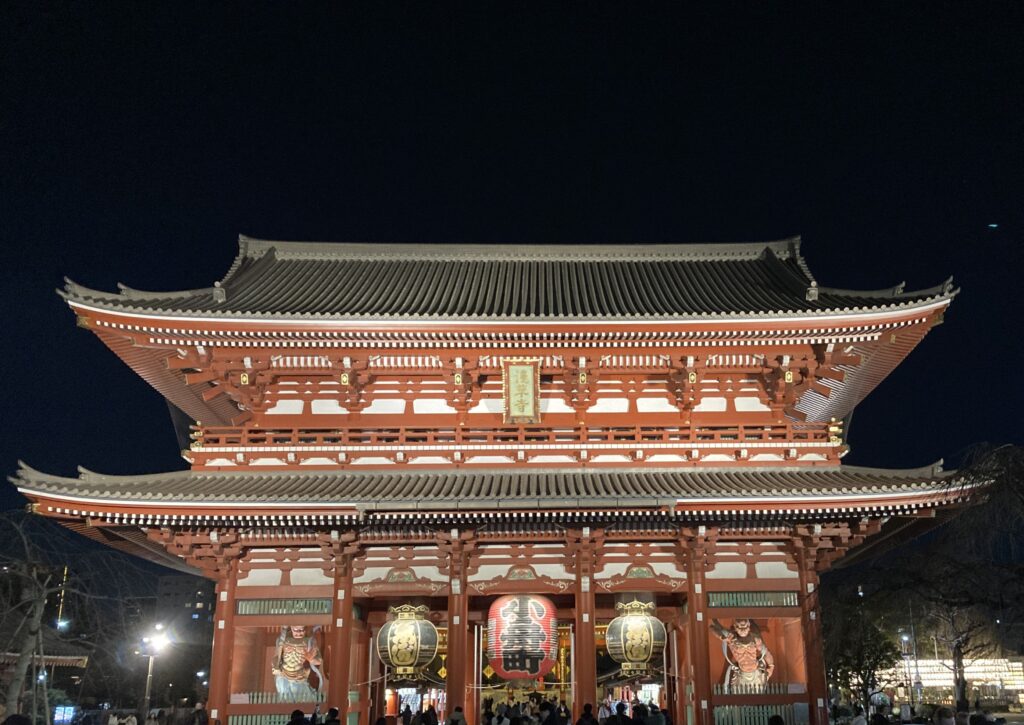
Have you ever been walking through a Japanese city and spotted a magnificent gate with massive statues, wondering, “Is this a shrine or a temple?”
In this guide, we explore the tranquil world of Buddhist Temples. While Shinto shrines are places to celebrate the “here and now,” temples are sacred spaces dedicated to inner peace, ancestors, and the wisdom of the Buddha.
We’ve designed this tour to be simple and engaging—perfect for those who want to understand the soul of Japan without getting lost in difficult dates or names. Let’s step through the gate and find some Zen!
0. What’s in This Guide?
Ready to Crack a Smile?: Tales of golden paradises and “work-life balance” for the Buddha.
Essential Vocabulary: Spotting the difference between “Gates” and “Statues.”
Temple Basics: The 10 “must-know” points (including the #1 rule: No Clapping!).
Q&A for Travelers: Why do monks shave their heads? Can I ring the bell?
1. Essential Vocabulary: What Am I Looking At?
Unlike shrines with their simple red gates, temples often feature elaborate architecture and impressive statues. Here are the keys to identifying what’s around you.
1.1 Things You’ll See Right Away
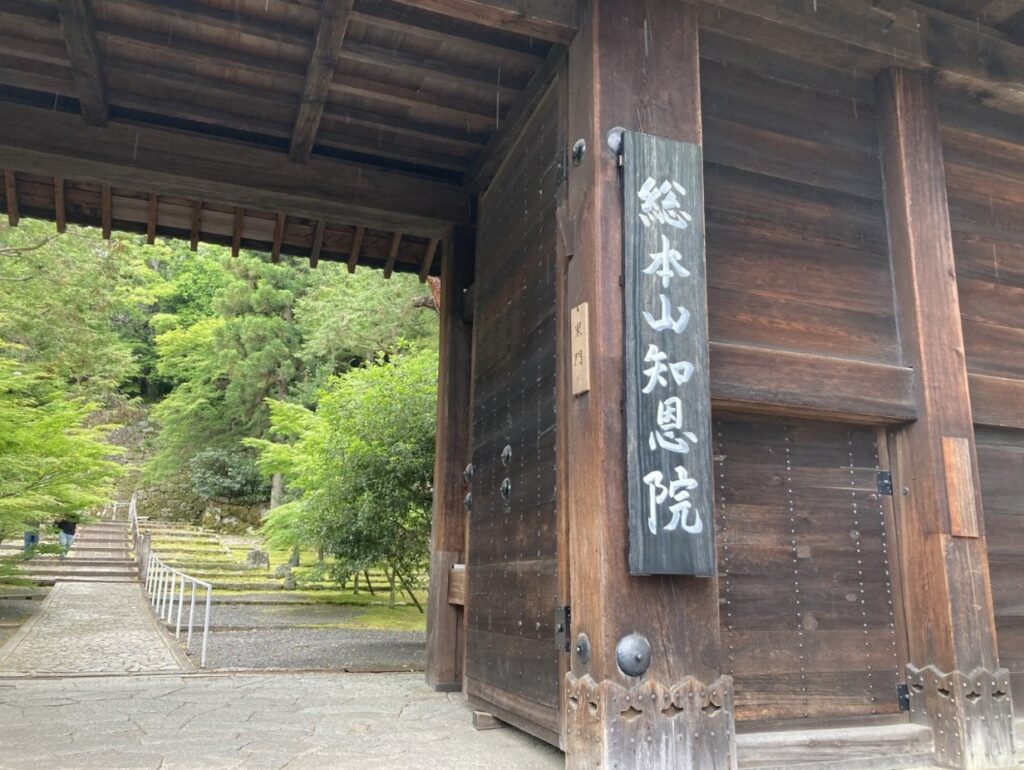
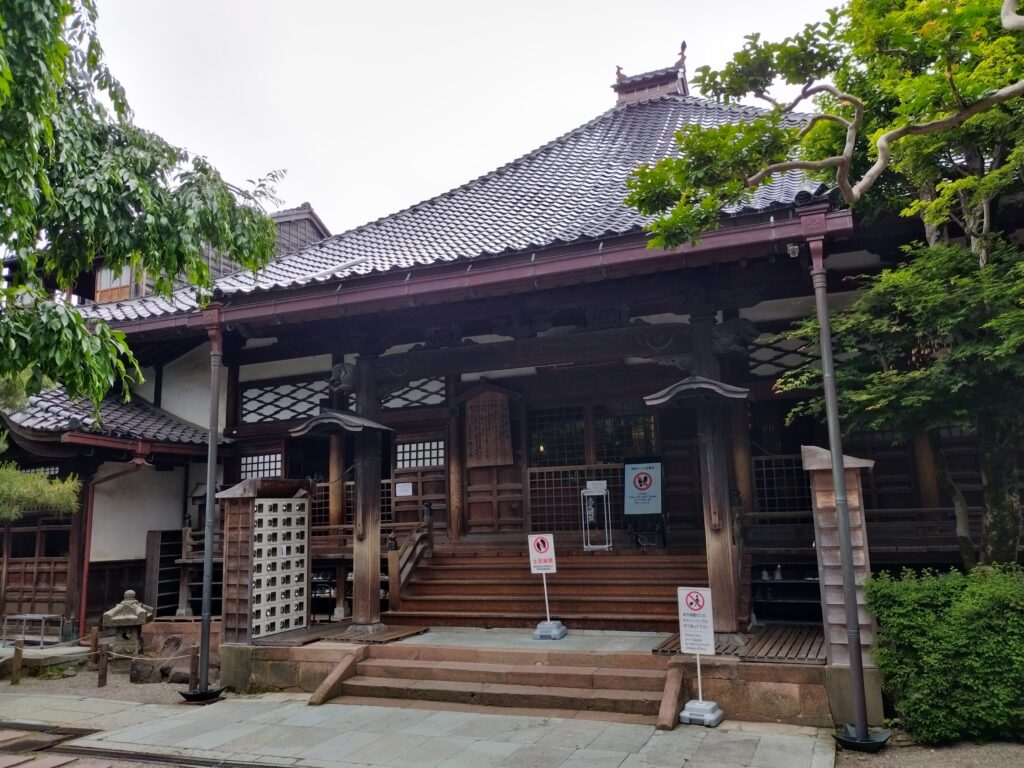
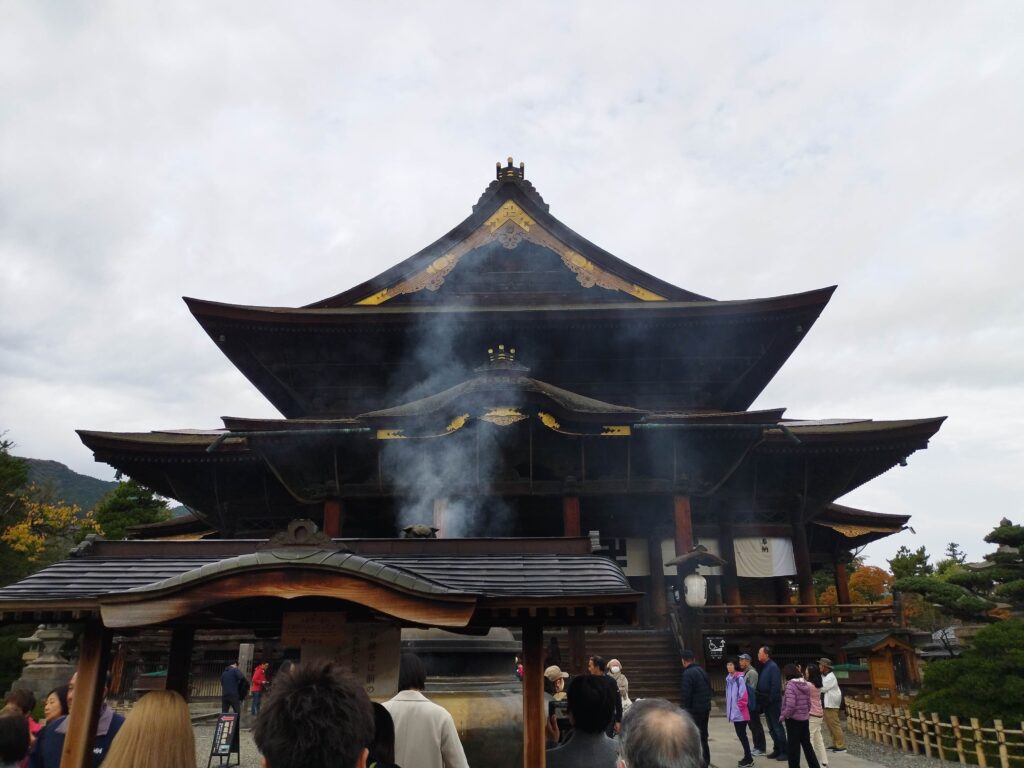
- Sanmon Gate: The grand, often two-story entrance to the sacred grounds.
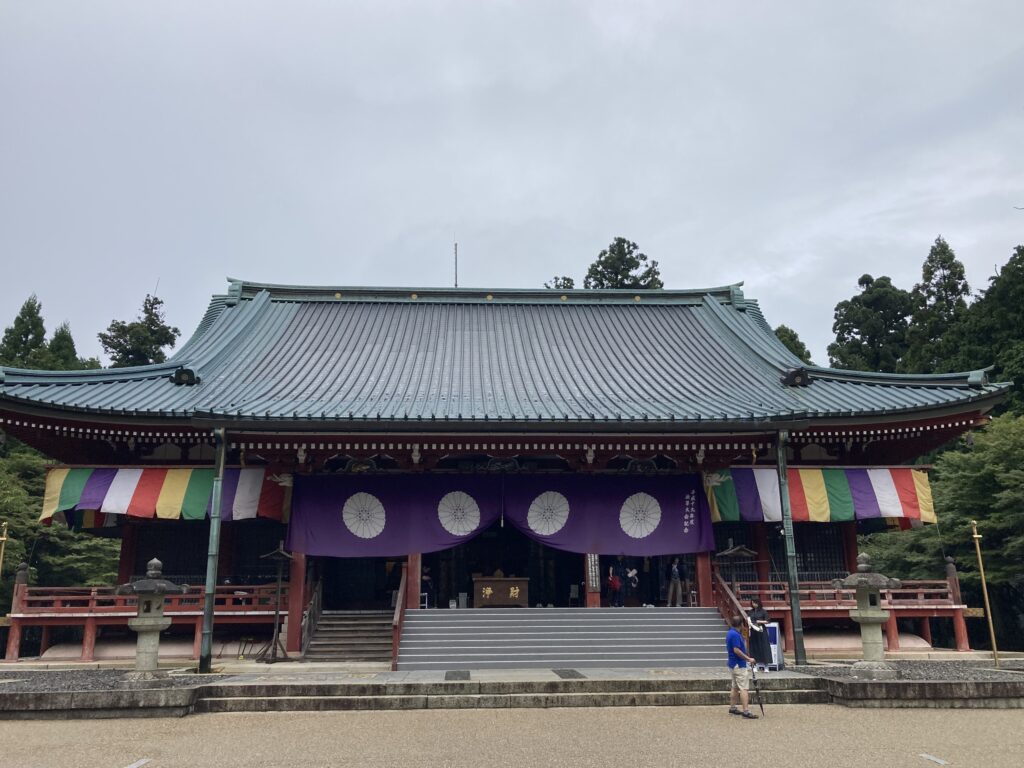
- Main Hall (Hondo): The primary building where the main deity is enshrined.
- Buddha Statue: Sacred images representing enlightenment and compassion.
- Incense (O-ko): Purifying smoke used to cleanse the mind and body.
- Bell Tower: Where the massive temple bell resides.
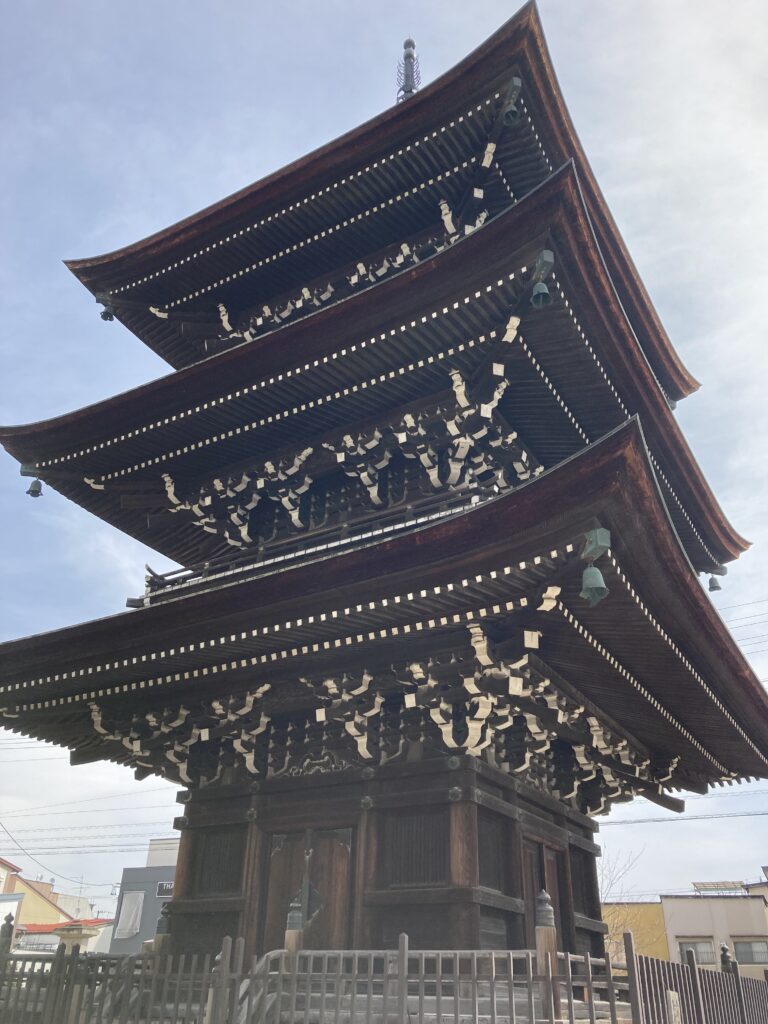
- Five-story Pagoda: An iconic, towering symbol of Buddhist cosmology.
- Temple Precincts: The overall sacred grounds of the temple.
1.2 Deep Dive Keywords (For the Enthusiasts)
- Gassho: Pressing your palms together in prayer. Remember: Do not clap!
- Nio Guardians: The fierce, muscular statues standing guard at the gate.
- Mokugyo: The “wooden fish” drum used to keep rhythm during chanting.
- Prayer Beads (Juzu): Buddhist rosaries used during ceremonies.
2. All About Buddhist Temples
Now, let’s look at the philosophy behind these beautiful structures. If Shinto is the “Operating System” of Japan, Buddhism is the “Wisdom Software” that helps people navigate life and the afterlife.
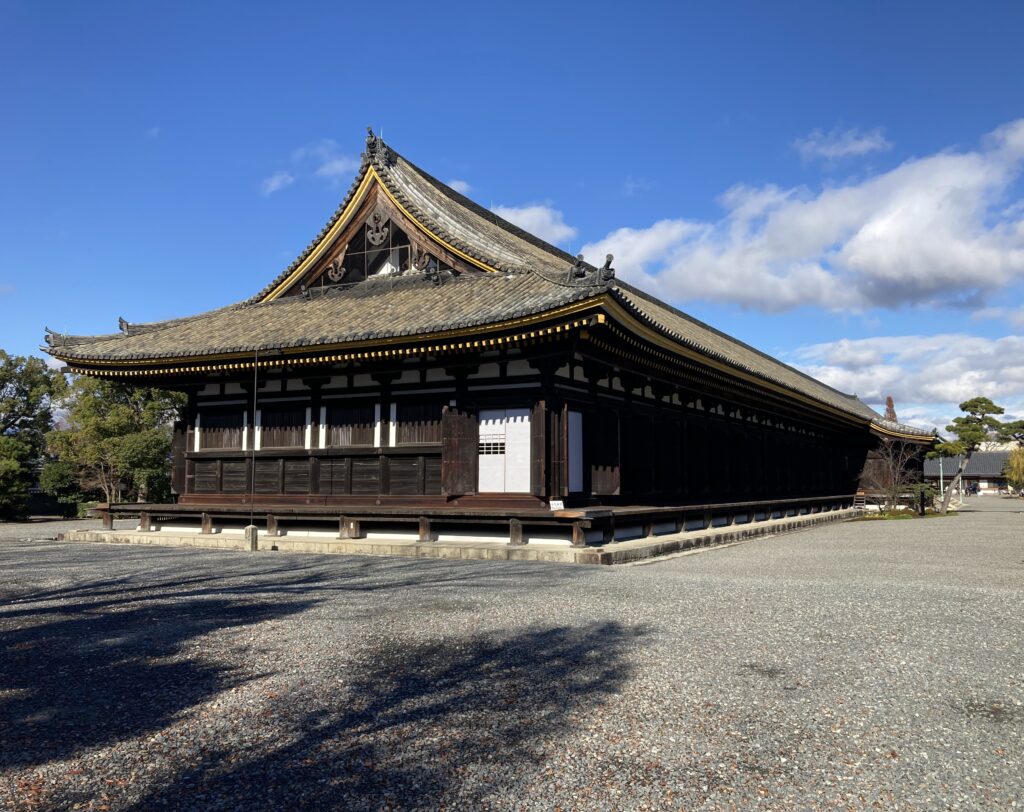
2.1 Deep Dive: 10 Things to Know Before You Pray
- Origin: A temple is a facility for Buddhism, which originated in India and arrived in Japan via China and Korea.
- The Deity: While shrines worship nature spirits, temples worship the Buddha (an enlightened human) or statues representing his various teachings.
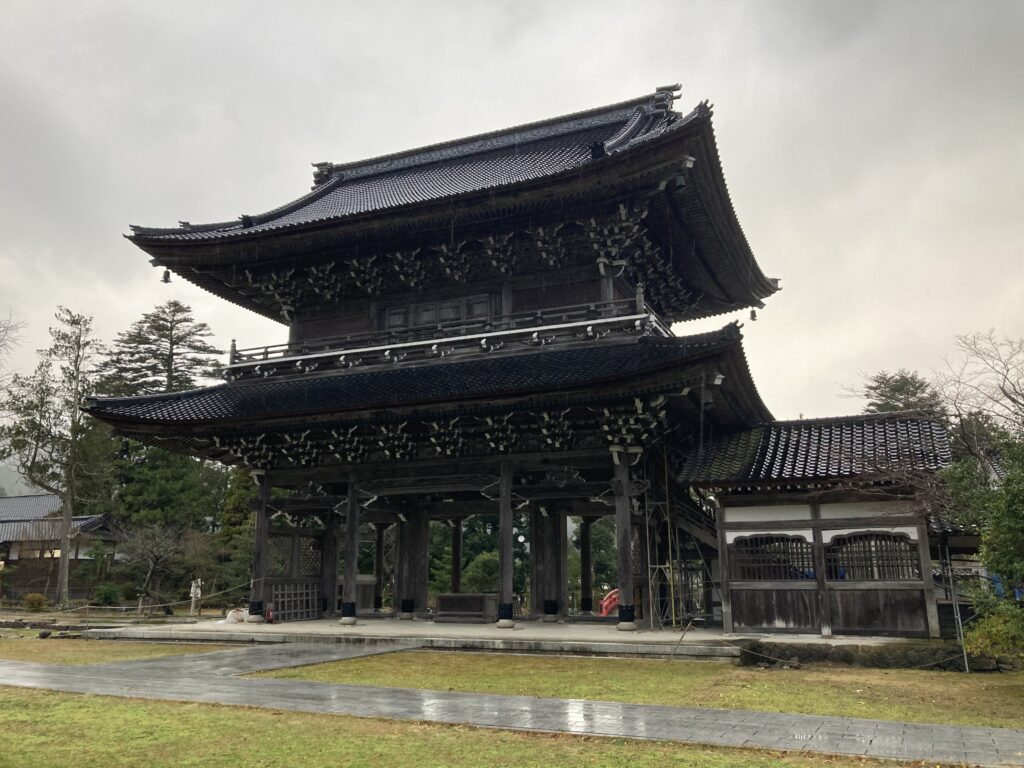
- The Threshold: The entrance Sanmon gate is a boundary where visitors are encouraged to leave their worldly worries and “earthly desires” behind.
- Afterlife & Ancestors: Temples focus on spiritual peace and the afterlife. Most Japanese funerals and memorial services for ancestors are held here.
- The Golden Rule: NO CLAPPING! This is the biggest difference from shrines. At a temple, simply press your palms together (Gassho) and pray in silence.
- Healing Smoke: Waving incense smoke toward your body is believed to purify you and can even “heal” parts of the body that are aching or need wisdom (wave it toward your head!).
- Diverse Roles: There are many types of Buddha statues. Some provide wisdom, while others show mercy—each has a different way of helping people.
- The 108 Desires: The temple bell is often rung to dispel the 108 earthly temptations (like greed and jealousy) that humans suffer from.
- The Monks: Buddhist monks are like “teachers” who study the path to peace and share those lessons with the community.
- A Shared History: Shrines and temples are often neighbors because of Shinbutsu-shugo—a long history where Japanese people believed gods and Buddhas worked together as a team.
お寺編の「Walk & Talk」と「FAQ」セクションですね!承知いたしました。 インバウンド読者がスマホ片手にお寺を歩きながら、パッと見て理解できるようなクリアなレイアウトで作成します。
2.2 Walk & Talk: Simple Phrases for Your Stroll
If you are walking through the temple grounds right now, here is how to explain the surroundings in simple English.
- Origins: “A temple is a sacred place for Buddhism, which originally came from India.”
- The Deity: “Unlike shrines, temples worship Buddha statues—think of them as ‘enlightened teachers’.”
- The Gate: “This entrance gate is a boundary where you leave your daily worries and ego behind.”
- The Focus: “Temples focus on inner peace, remembering ancestors, and the life beyond.”
- The #1 Rule: “Remember, do not clap! Just press your palms together and pray in silence.”
- Purification: “We use this incense smoke to purify our bodies and minds before we pray.”
- Variety of Statues: “There are many types of Buddha statues, each helping people in different ways.”
- The Big Bell: “That large bell is rung to chase away human temptations and ‘greed’.”
- The Monks: “Buddhist monks are like spiritual teachers who guide us toward a peaceful mind.”
- Harmony: “Shrines and temples often coexist because we believe gods and Buddha work together as a team.”
2.3 FAQ: Traveler’s Perspective
Common questions visitors ask when exploring a Japanese temple.
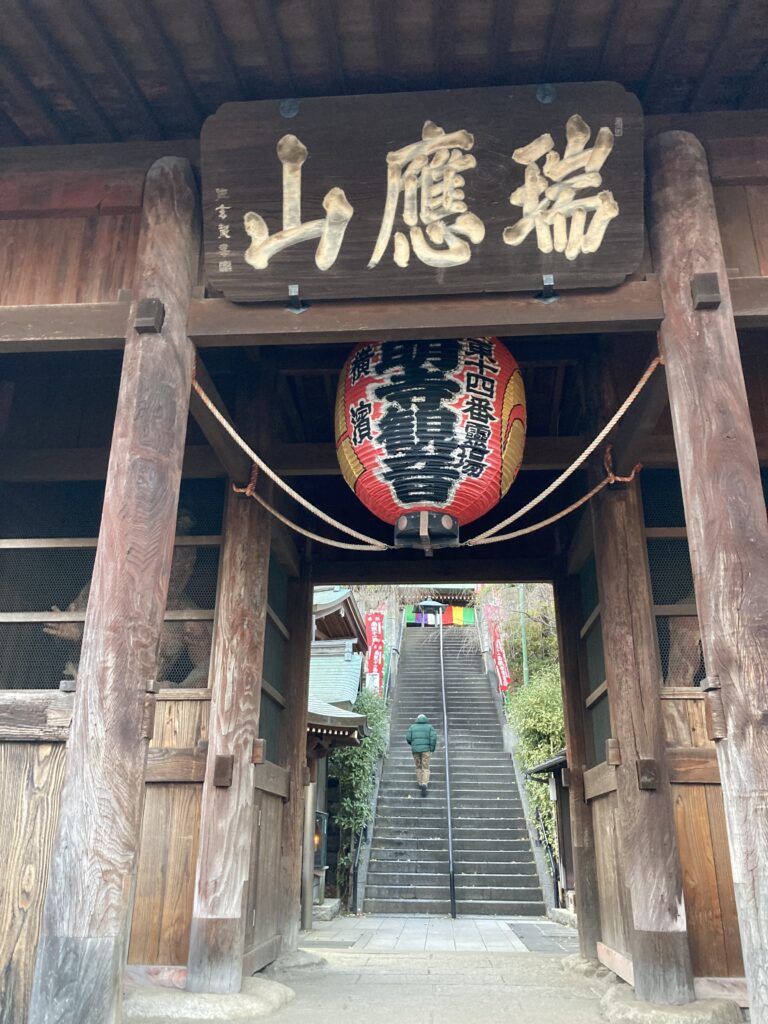
Q1: What is the easiest way to tell the difference between a temple and a shrine? A: Look at the entrance. If there is a Torii gate, it’s a shrine. If there is a massive roofed gate (Sanmon) and statues, it’s a temple.
Q2: Is it okay to take photos? A: Photography in the garden or courtyard is usually fine. However, please avoid taking photos of the statues inside the buildings, as they are considered sacred and private.
Q3: Why do Buddhist monks shave their heads? A: Hair is seen as a symbol of worldly attachments and vanity. Shaving it off shows they have let go of their ego to focus on spiritual growth.
Q4: What should I say when I pray at a temple? A: You can make a wish, but it’s more traditional to express gratitude to your ancestors or make a personal vow to be a better person.
Q5: Can anyone ring that big temple bell? A: It depends on the temple. Some allow visitors to ring it for a small donation, while others only ring it during special rituals or on New Year’s Eve.
Q6: Do the hand gestures of the Buddha statues have meanings? A: Yes! These are called Mudras. For example, one hand raised means “Do not fear,” and a circle made with fingers represents “Wisdom” or “Perfect harmony.”
Q7: Do Japanese people visit temples only for funerals? A: Not at all. Many people go for Zen meditation, to enjoy the beautiful gardens, or simply to find a moment of peace during a busy day.
Q8: Where should I wave the incense smoke? A: Toward any part of your body you want to heal or improve. People often wave it toward their heads for wisdom or sore joints for healing.
Q9: Are Buddhist monks allowed to get married in Japan? A: In most Japanese sects, yes. Unlike in some other countries, Japanese monks can have families and live modern lives just like everyone else.
Q10: What is inside those tall pagodas? A: Originally, pagodas were built to store the ashes (relics) of the Buddha. They serve as a spiritual landmark for the entire temple.
2.4 Ready to Crack a Smile? (The Temple Edition)
Now that you’ve seen the serene side of Buddhist temples, let’s peel back the curtain. These stories explore the human—and sometimes surprisingly practical—side of Japanese Buddhism.
Feel free to share these “insider insights” during your visit!
Q1: Is a temple like a church?
It’s a classic question. The answer is a mix of high-level philosophy and… ice cream?
【Part 1: Common Ground】
- In terms of function, temples and churches do share similarities.
- Churches spread Christianity, and temples spread Buddhism, each serving as a base for their respective faiths.
- For example, just as churches are places where people gather on Sundays, temples in Japan once doubled as local schools (terakoya), government offices, and community centers.
- They also host major life events such as weddings and funerals. In particular, funerals and memorial services are one of the central roles of temples.
- Even the image of the afterlife has parallels. Both the Christian heaven and the Buddhist Pure Land are imagined as radiant golden worlds.
【Part 2: The Golden Contradiction】
- In fact, if you look inside the main halls of Japanese temples, you’ll find paintings and sculptures of the afterlife covered in gold leaf.
- But many modern Japanese feel a bit uneasy about this glittering paradise.
- Why would souls freed from worldly desires need gold—the very symbol of greed?
- Still, perhaps a little gold in the next world wouldn’t hurt.
- Many Japanese wouldn’t want to be surrounded by gold—but they might happily settle for gold-leaf ice cream instead.
Q2: How are these massive temples maintained?
Who pays the bills? The answer involves a 400-year-old “subscription model.”
【Part 1: The Samurai Subscription】
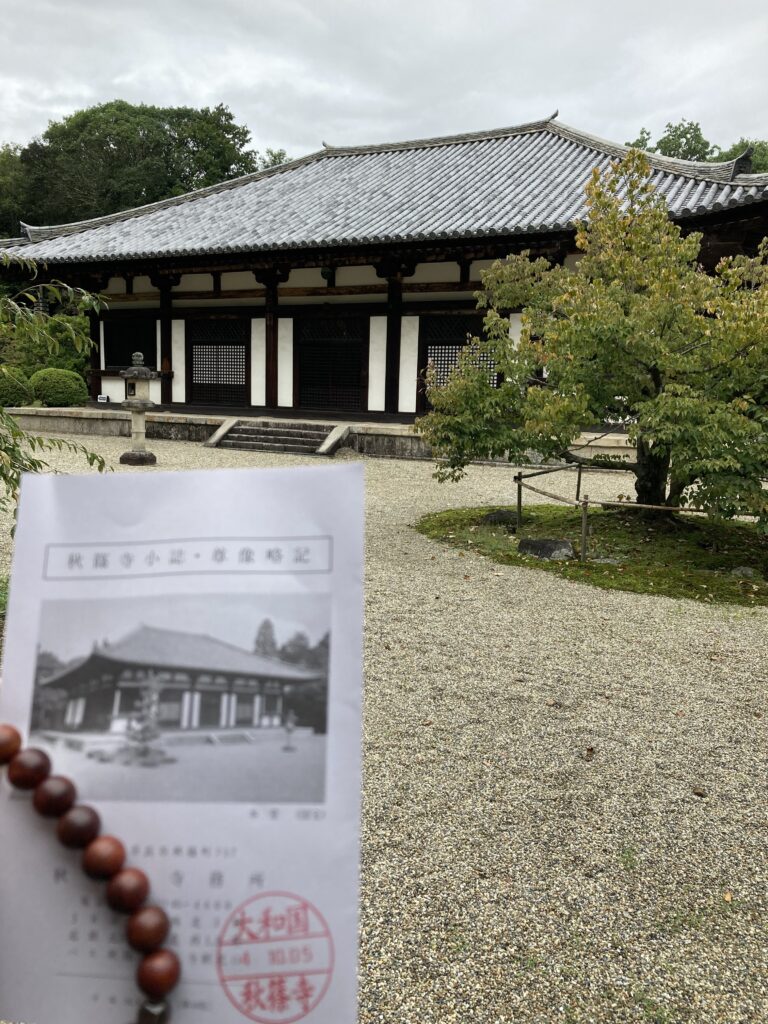
- Many temples in Japan are supported by a traditional system in which specific families, known as parishioners, sponsor the temple.
- It’s similar to a membership system, but it originally developed during the samurai era.
- The shogunate entrusted temples across the country with managing the lives of local residents, ensuring no one slipped through the cracks.
- Each temple was responsible for conducting funerals and memorial services for nearby families, and those families covered the temple’s operating costs.
- This created strong bonds that lasted for generations.
【Part 2: The Buddha’s Work-Life Balance】
- However, with modernization, this system of mutual dependence has been breaking down.
- Young people are leaving rural areas, and the declining birthrate is shrinking the population even further. As a result, an increasing number of temples are being forced to close.
- In response, some temples have begun experimenting with new revenue models—hosting concerts, events, and other activities to attract younger visitors.
- To guide people toward a splendid afterlife, Buddhist monks now find themselves offering modern pleasures in this world as well.
- Satisfying both this world and the next—across time and space—may be the ultimate form of work-life balance. Even the Buddha might worry about overwork.
3. What is Buddhism?
The Wisdom of Letting Go and the Art of Peace.
3.1 Deep Dive: The 10 Keys to Buddhist Philosophy
Before you explore the temple’s golden altars, it helps to understand the “software” behind the statues. Here is a breakdown of Buddhism in Japan.
- A Human Beginning: Buddhism started 2,500 years ago in India with a man named Siddhartha (the Buddha). He wasn’t a god, but a human who became the “Awakened One.”
- From Teacher to Deity: Originally, it was a philosophy about letting go of “attachments” to end suffering. After his death, however, the Buddha was deified, and statues were created to help people worship his wisdom.
- The Great Silk Road Journey: Buddhism reached Japan in the 6th century via China and Korea. During this long journey, the teachings evolved and adapted to each culture.
- Complex Rituals: While early Buddhism was very simple, the version that arrived in Japan became highly intellectual and ritualistic, with beautiful scriptures and complex ceremonies.
- Self-Power vs. Other Power: Much like Christianity has various denominations, Japanese Buddhism split into many sects. Some believe in reaching peace through their own effort (Self-Power), while others rely on the mercy of the Buddha (Other Power).
- The Way of Zen: Zen is the most famous “Self-Power” sect. It focuses on the simplicity of meditation and treats every daily action—like cleaning or drinking tea—as a form of spiritual training.
- Reincarnation: Buddhism introduced the concept of the cycle of birth and death. In Japan, this is more of a cultural “vibe” that has deeply shaped our ghost stories and classical literature.
- The Concept of “Emptiness” (Ku): This teaches that nothing in life is permanent and everything is constantly changing. Many modern scientists find this ancient idea surprisingly logical.
- The “Funeral” Image: Because Japanese Buddhism has focused heavily on the afterlife for centuries, many young people today see temples mainly as “funeral facilities” rather than centers of philosophy.
- The Golden Paradise: The Buddhist heaven, or “Pure Land,” is often depicted as a world of gold. While beautiful, this ancient image sometimes feels distant to modern city-dwellers seeking peace here on Earth.
3.2 Walk & Talk: Buddhism in Simple Terms
Use these easy phrases as you stroll through the temple grounds.
- Mental Training: “Buddhism began in India 2,500 years ago. It’s more like ‘mental training’ than worshipping an almighty god.”
- The Teacher: “The Buddha was a human, but after his death, he became revered as a superhuman symbol of wisdom.”
- Evolution: “It reached Japan in the 6th century via China and Korea, evolving significantly along the way.”
- Rituals: “While early Buddhism was simple and self-directed, in Japan, beautiful rituals and chanting became the focus.”
- The Elevator: “Japan has many sects. The largest teaches salvation through the merciful power of the Buddha.”
- Zen: “Zen is the opposite; it focuses on ‘Self-Power’ through meditation and the simple beauty of rock gardens.”
- Culture: “The idea of reincarnation—being born again—is rooted in Japan more as a cultural ‘vibe’ than a strict religious rule.”
- Everything Changes: “The concept of ‘Ku’ (Emptiness) means everything is always changing. Nothing lasts forever, so don’t cling too hard.”
- The Life Cycle: “In Japan, temples primarily handle funerals and memorial services to look after our ancestors.”
- Modern View: “The golden image of ‘Paradise’ can feel a bit like an old fairy tale to modern Japanese, but the peace it represents is still valued.”
3.3 FAQ: The Traveler’s Perspective
Biting questions from curious minds, answered simply.
Q1: Is the Buddha a “God”? A: Not exactly. A God is usually seen as “all-powerful,” while the Buddha is an “enlightened teacher.” A temple is a classroom where we learn from his wisdom.
Q2: Is the golden altar part of the teaching? A: Yes. It represents the “Pure Land”—an ideal world of ultimate bliss. It’s a visual representation of the peace you find through faith.
Q3: What’s the difference between “Self-Power” and “Other-Power”? A: Think of it like this: Self-Power (Zen) is like climbing a steep mountain with your own two feet. Other-Power (Pure Land) is like taking an elevator provided by the Buddha’s compassion.
Q4: Are all Japanese people Buddhists? A: Most will say they aren’t “religious,” yet they still hold family funerals at temples. It’s more of a family tradition and respect for ancestors than a personal belief system.
Q5: Is the money I give at a temple a “fee” for being saved? A: No. You can’t buy salvation! The offering is a “donation of gratitude” to help maintain the temple buildings, the statues, and the local community.
Q6: Does “Ku” (Emptiness) mean nothing exists? A: Not at all. It means “everything is in flux.” It’s a positive, flexible way of thinking that encourages us to go with the flow of life.
Q7: Why can Japanese monks marry and live ordinary lives? A: In Japan, we believe wisdom is found in daily life, not just on a remote mountain. Monks support the community while living alongside them.
Q8: Is the Buddhist “Paradise” just the afterlife? A: It’s more than a destination after death. It’s a state of mind where you are completely free from stress, greed, and suffering.
Q9: Why do you ring that massive bell? A: It’s said to clear away the 108 human desires (like greed or anger). Ringing the bell on New Year’s Eve helps us start the new year with a “clean” heart.
Q10: Who is higher: the Shinto gods or the Buddha? A: There’s no hierarchy. They have different roles! Shinto is for the “now” and nature, while Buddhism is for “wisdom” and the afterlife. They’ve been teammates for over a millennium.
2.4 Ready to Crack a Smile? (The Temple Edition – Part 2)
Q1: What is the difference between Buddhism and Shinto?
It’s the #1 question on every tour. Here is the serious answer… and the “very Japanese” reality.
【Part 1: The Teacher vs. The Nature】
- While they contrast in many ways, the biggest difference is that Shinto has no founding figure like the Buddha.
- Shinto grew naturally from ancient Japanese nature worship — a tradition based on feelings of reverence and gratitude toward the natural world.
- Buddhism, on the other hand, is a religion built on the teachings and philosophy of the enlightened Buddha, guiding practitioners to overcome their delusions and reach awakening.
- Because of these differences, Buddhism, which arrived in Japan around the 6th century, did not conflict with the native Shinto tradition. Instead, the two have coexisted peacefully for centuries.
- This is why temples and shrines are often found side by side, or even on the same grounds.
【Part 2: The “God & Buddha” Insurance Policy】
- Surprisingly, even many Japanese people struggle to clearly explain the difference between the two.
- Since both religions are woven into daily life from birth to death, most people never need to think about distinguishing them.
- And when truly at their wits’ end, many Japanese will pray, “God and Buddha, please!” with their hands pressed together.
- During university entrance exams, students often do this quietly before opening their test papers.
- Little do they know that years later, they’ll forget all about it — and proudly declare themselves atheists.
Q2: Is Japan a Buddhist country?
The math doesn’t quite add up, and that’s the beauty of it.
【Part 1: The Magic of Japanese Statistics】
- Depending on how you look at it, the answer is both yes and no.
- According to Japanese statistics, out of a population of about 120 million, roughly 80 million are registered as Buddhist. In that sense, yes, Japan is a Buddhist country.
- But the number of Shinto followers is also around 80 million — meaning the combined total is more than the population itself.
- In other words, many Japanese are “believing in two religions at the same time,” so in that sense, the answer is also no. Japan is a hybrid nation: both Buddhist and Shinto.
- For most Japanese people, Buddhism feels less like a strict religion and more like Shinto — a set of customs adapted to everyday life.
【Part 2: The Art of Making it Simple】
- The Buddhism that came from China was difficult, with vast scriptures and complex doctrines, but over a thousand years, new schools emerged that ordinary people could understand.
- You could say that simplifying things — taking what’s useful from abroad and reshaping it for convenience — is part of the Japanese DNA.
- So lately, am I the only lazy person hoping something good will happen in the inbound tourism industry? Maybe AI could help us local guides explain Buddhism more easily.
- …Oh? You want to know how? Well, let me ask you this:
- Which would you prefer — a clumsy but short explanation from us, or an endless, complicated one that ignores your needs after just one question? Right?
Thank you & Afterwards
🔶Thank you so much for reading to the end! If you have any comments or requests, please feel free to reach out to us at the email address provided in the 📧Assistance & Services📞 section.🔶GOLD
($6%/S3)