本ブログは観光業、企業接待、留学生対応等で英語案内が必要ながら、多忙で準備に時間をかけられない方々の為にすぐに使える情報を分かりやすく解説しています。
今回は商談で訪日中の重要顧客から、移動中のタクシーの中からちらっと見えた人混みで賑わう「魚市場」に後で行ってみたいと言われ、僅かの間にできるだけ魚市場の陳列商品の英語表現(用語)をチェックしたいシチュエーションです。
市場の商品は世界共通で英単語だけ言えば即通じる便利な対訳語は限られていますので(国によって様々な表現があり、お相手にピンとこないことが多いので)簡単な商品特徴も日英で加えています。商品名の英訳はあくまで一例としてご参照頂き、お相手の反応に合わせて説明文も試してみたり(現場では寧ろ説明文の方が役に立ちますので)、また目次からカテゴリー別にチェックすることも可能です。
- 【1】各用語解説
- A: 海水魚介類 (Marine Fish and Shellfish)
- 1. 青背魚 (Blue-backed fish / Oily fish)
- 鯵・アジ (Aji): Horse mackerel
- 鰯・イワシ (Iwashi): Sardine, Pilchard
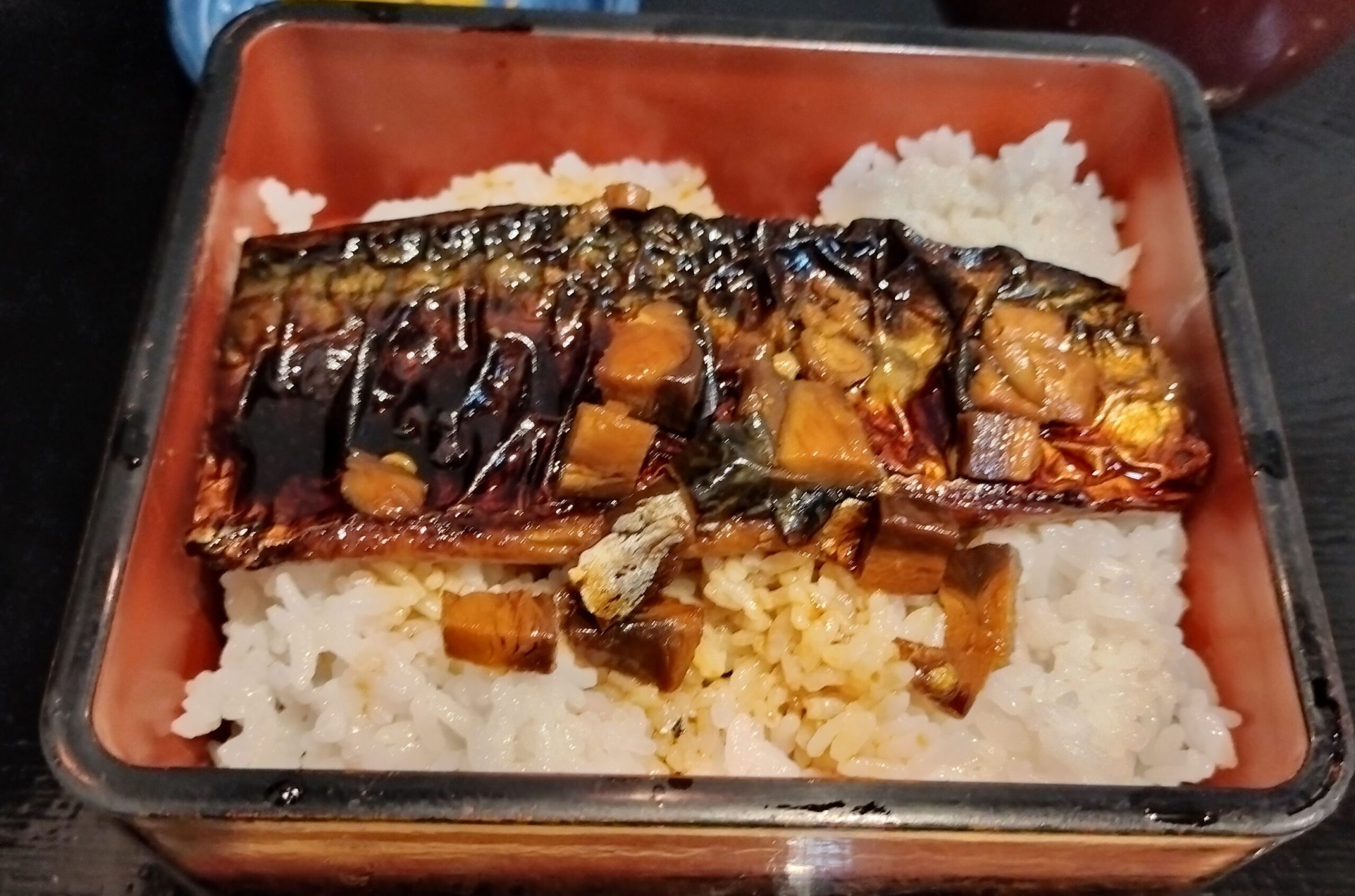
- 鯖・サバ (Saba): Mackerel
- 秋刀魚・サンマ (Sanma): Pacific saury, Saury pike
- 鰹・カツオ (Katsuo): Skipjack tuna, Bonito
- 鰊・ニシン (Nishin): Herring
- カマス (Kamasu): Barracuda
- サヨリ (Sayori): Halfbeak
- サワラ (Sawara): Japanese spanish mackerel
- シイラ (Shiira): Dolphinfish
- シマアジ (Shima-aji): Trevally
- シシャモ (Shishamo): Shishamo smelt
- トビウオ (Tobiuo): Flyingfish
- ホッケ (Hokke): Atka mackerel
- 2. 赤身魚 (Red-fleshed fish / Red meat fish)
- 3. 白身魚 (White-fleshed fish / White meat fish)
- 鯛・タイ (Tai): Sea bream, Red snapper
- 鮃・ヒラメ (Hirame): Flounder, Japanese flatfish 👉
- 鰈・カレイ (Karei): Flounder, Flatfish ・marbled sole
- 鰤・ブリ (Buri): Japanese amberjack, Yellowtail
- 鱈・タラ (Tara): Cod
- 河豚・フグ (Fugu): Pufferfish ・Globefish👉
- アイナメ (Ainame): Greenling
- アマダイ (Amadai): Tilefish
- アンコウ (Ankō): Anglerfish, Monkfish
- イサキ (Isaki): Striped pigfish
- カサゴ (Kasago): Rockfish
- カワハギ (Kawahagi): Threadsail filefish
- キス (Kisu): Japanese whiting
- キンメダイ (Kinmedai): Alfonsino, Splendid alfonsino
- シタビラメ (Shitabirame): Tongue sole
- スズキ (Suzuki): Japanese seaperch
- タチウオ (Tachi-uo): Largehead hairtail
- ハゼ (Haze): Spiny goby
- ハタハタ (Hatahata): Japanese sandfish
- ムツ (Mutsu): Japanese bluefish
- メバル (Mebaru): Goldeye rockfish
- 4. 貝類 (Shellfish / Clams)
- アサリ (Asari): Manila clam・Japanese short neck clam
- ハマグリ (Hamaguri): Hard clam, Oriental clam
- ホタテ (Hotate): Scallop
- カキ (Kaki): Oyster
- サザエ (Sazae): Turban shell
- アワビ (Awabi): Abalone
- アオヤギ (Aoyagi): Radiated trough shell
- アカガイ (Akagai): Bloody clam
- シジミ (Shijimi): Japanese corbicula
- トリガイ (Torigai): Egg cockle
- ホッキガイ (Hokkigai): Hen clam
- ムールガイ (Mussel): Blue mussel
- 5. エビ・カニ (Shrimp & Crab)
- エビ (Ebi): Shrimp, Prawn
- クルマエビ (Kuruma-ebi): Japanese tiger prawn
- ボタンエビ (Botan-ebi): Botan shrimp
- カニ (Kani): Crab
- ズワイガニ (Zuwai-gani): Snow crab
- タラバガニ (Taraba-gani): King crab
- アマエビ (Amaebi): Deepwater shrimp, Sweet shrimp
- イセエビ (Ise-ebi): Spiny lobster
- ケガニ (Kegani): Horsehair crab
- サクラエビ (Sakuraebi): Sakura shrimp
- シャコ (Shako): Mantis shrimp
- 6. 珍味系 (Delicacies)
- 6a 調理系 (Cooked Items)
- タコ (Tako): Octopus
- イカ (Ika): Squid
- コウイカ (Kōika): Cuttlefish
- スルメイカ (Surume-ika): Japanese common squid
- ヤリイカ (Yari-ika): Spear squid
- のどぐろ (Nodoguro): Blackthroat seaperch, Rosy seabass
- 鱧(ハモ) (Hamo): Pikeperch ・Conger pike
- ウニ (Uni): Sea urchin
- アナゴ (Anago): Conger eel
- サケ (Sake): Salmon
- カマ (Kama): Fish collar
- サメ (Same): Shark
- 6b 加工系 (Processed Products)
- 6c 海藻・海苔系 (Seaweed)
- 1. 青背魚 (Blue-backed fish / Oily fish)
- B: 淡水魚 (Freshwater Fish)
- 【2】頻出用語連続音声
- 【3】魚関連*関連リンク
【1】各用語解説
このパートでは主なカテゴリー別に各語をチェックできます。分類は説明者の全体理解の為と日本人の生活感、商品陳列場所を加味したもので、学術的に分類したものではありませんので、詳細で高度な内容をお求めの方は市場公式サイトや専門サイト等をご参照下さい。👇高頻出なものには英語音声を付けていますが、基本は米国男女話者で、説明文の一部では米英豪印の話者も使っています。
A: 海水魚介類 (Marine Fish and Shellfish)
1. 青背魚 (Blue-backed fish / Oily fish)
これらの魚は背が青く、脂肪分が多いのが特徴です。DHAやEPAが豊富に含まれています。 (These fish have blue backs and are high in fat, and are rich in DHA and EPA.)
鯵・アジ (Aji): Horse mackerel
- 👉日本の食文化で非常にポピュラーな魚です。特にアジフライは人気があります。 (This fish is very popular in Japanese food culture. Fried horse mackerel is especially popular.)
鰯・イワシ (Iwashi): Sardine, Pilchard
- 👉小さな魚で、つみれやオイルサーディンなどに加工されます。 (These small fish are often processed into fish balls (tsumire) and oil sardines.)
鯖・サバ (Saba): Mackerel
- 👉日本料理の定番で、焼き魚、煮魚、しめ鯖など様々な調理法があります。 (It’s a staple of Japanese cuisine and can be prepared in various ways, such as grilled, simmered, or marinated.)
秋刀魚・サンマ (Sanma): Pacific saury, Saury pike
- 👉秋の味覚として知られ、塩焼きが特に美味しいです。 (It’s known as an autumn delicacy and is especially delicious when grilled with salt.)
鰹・カツオ (Katsuo): Skipjack tuna, Bonito
- 👉刺身やたたきで食べられるほか、鰹節(Dried bonito flakes)の原料にもなります。 (In addition to being eaten as sashimi or tataki, it’s also used as an ingredient for katsuobushi (dried bonito flakes).
鰊・ニシン (Nishin): Herring
- 👉北海道や東北地方で多く水揚げされます。卵は数の子として珍重されます。 (It’s often caught in Hokkaido and the Tohoku region. Its roe is highly valued as kazunoko.)
カマス (Kamasu): Barracuda
- 細長い魚で、塩焼きや干物にして食べられることが多いです。 (A long, thin fish that is often eaten grilled with salt or as a dried fish.)
サヨリ (Sayori): Halfbeak
- 春が旬の魚で、刺身や寿司、天ぷらで食べられます。 (A fish that is in season during the spring. It can be eaten as sashimi, sushi, or tempura.)
サワラ (Sawara): Japanese spanish mackerel
- 「春を告げる魚」として知られ、西京焼きや塩焼きにして食べられます。 (Known as a “fish that announces spring,” it’s often eaten as Saikyo-yaki or grilled with salt.)
シイラ (Shiira): Dolphinfish
- ハワイでは「マヒマヒ」として知られる魚で、フライやソテーで食べられます。 (A fish known as “mahi-mahi” in Hawaii, it’s often eaten as fried fish or sauteed.)
シマアジ (Shima-aji): Trevally
- アジの中でも最高級とされ、刺身や寿司で食べられます。 (Considered the most high-end among horse mackerel. It can be eaten as sashimi or sushi.)
シシャモ (Shishamo): Shishamo smelt
- 子持ちのものが特に人気で、焼いて丸ごと食べられます。 (The ones with eggs inside are especially popular. They can be grilled and eaten whole.)
トビウオ (Tobiuo): Flyingfish
- 胸びれを広げて海面を滑空する姿が特徴です。主に焼き魚や唐揚げで食べられます。 (It’s known for its ability to glide over the water’s surface with its wide pectoral fins. It’s mainly eaten grilled or deep-fried.)
ホッケ (Hokke): Atka mackerel
- 北海道や東北地方でよく水揚げされ、居酒屋の定番メニューとして知られます。 (Commonly caught in Hokkaido and the Tohoku region, it’s a staple menu item at Japanese pubs (izakaya).)
2. 赤身魚 (Red-fleshed fish / Red meat fish)
身が赤く、マグロやカツオなどが代表的です。鉄分を多く含みます。 (The flesh is red, and tuna and bonito are typical examples. They contain a lot of iron.)
鮪(全般)・マグロ (Maguro): Tuna
- 👉寿司のネタとして世界的に有名です。部位によって味が異なります。 (It’s famous worldwide as a sushi ingredient. The taste varies depending on the part of the fish.)
鮪・大トロ (O-toro): Fatty tuna belly
- 👉マグロの中でも最も脂が乗った部位で、口の中でとろけるような食感が特徴です。 (The fattiest part of the tuna. It’s known for its melt-in-your-mouth texture.)
鮪・中トロ (Chū-toro): Medium fatty tuna belly
- 👉赤身と大トロの中間の部位で、ほどよい脂とマグロ本来の旨味のバランスが人気です。 (A part of the tuna with a balanced flavor, between the lean and fatty sections. It’s popular for its perfect mix of richness and umami.)
鮪・赤身 (Akami): Lean tuna
- 👉脂が少なく、さっぱりとした味わいです。マグロ本来の濃厚な旨味を堪能できます。 (This part has the least amount of fat and a refreshing flavor. You can enjoy the rich, original taste of tuna.)
ビンチョウマグロ (Binchōmaguro): Longfin tuna, Albacore
- ビンナガマグロとも呼ばれ、缶詰やツナ缶の原料としておなじみです。 (Also known as binnaga-maguro, it’s a familiar ingredient for canned tuna.)
クロマグロ (Kuromaguro): Bluefin tuna
- 最も高級なマグロとして知られ、日本のマグロの王様と言われます。 (Known as the most high-end tuna, it is often called the king of tuna in Japan.)
メカジキ (Mekajiki): Swordfish
- カジキマグロとも呼ばれ、ステーキや煮付けなど様々な調理法で楽しまれます。 (Also known as Kajiki-maguro, it can be enjoyed in various ways, such as in steak or simmered dishes.)
カンパチ (Kampachi): Greater amberjack
- ブリの仲間で、刺身や寿司で食べられます。身は歯ごたえがあり、さっぱりとした味わいです。 (A type of amberjack, which can be eaten as sashimi or sushi. Its flesh has a firm texture and a clean taste.)
鰹・カツオ (Katsuo): Skipjack tuna, Bonito
- 👉青背魚でもありますが、身の色から赤身魚に分類されることもあります。 (Although it’s a blue-backed fish, it’s sometimes classified as a red-fleshed fish due to the color of its flesh.)
3. 白身魚 (White-fleshed fish / White meat fish)
身が白く、淡白な味わいが特徴です。 (It’s characterized by its white flesh and mild flavor.)
鯛・タイ (Tai): Sea bream, Red snapper
- 👉 日本の食文化では縁起の良い魚とされ、お祝い事によく用いられます。 (In Japanese food culture, it’s considered a fish that brings good luck and is often used in celebrations.)
鮃・ヒラメ (Hirame): Flounder, Japanese flatfish 👉
- 高級魚として知られ、刺身や寿司で食べられます。エンガワ(Engawa)という部位も人気です。 (It’s known as a high-quality fish and is eaten as sashimi or sushi. The engawa (fin muscle) is also popular.)
鰈・カレイ (Karei): Flounder, Flatfish ・marbled sole
- 👉ヒラメと似ていますが、一般的に煮付けで食べられることが多いです。 (It’s similar to flounder, but is generally eaten simmered in soy sauce.)
鰤・ブリ (Buri): Japanese amberjack, Yellowtail
- 👉成長によって名前が変わる「出世魚」の代表格です。刺身や照り焼きが人気です。 (It’s a representative example of a fish whose name changes as it grows. It’s popular as sashimi and teriyaki.)
鱈・タラ (Tara): Cod
- 👉鍋物やフライ、塩干物として利用されます。タラコ(Cod roe)も有名です。 (It’s used in hot pot dishes, fried dishes, and salted dried fish. Cod roe is also famous.)
河豚・フグ (Fugu): Pufferfish ・Globefish👉
- 毒を持つため、専門の資格を持った調理師しか扱えない高級魚です。刺身(Tessa)や鍋(Tecchiri)で食べられます。 (Due to its toxicity, this high-end fish can only be handled by chefs with specialized qualifications. It can be eaten as sashimi (Tessa) or in a hot pot (Tecchiri).)
アイナメ (Ainame): Greenling
- 根魚(ねざかな)として知られ、高級魚として煮付けや刺身で食べられます。 (It’s known as a bottom-dwelling fish, and is a high-end fish that can be enjoyed simmered or as sashimi.)
アマダイ (Amadai): Tilefish
- 上品な白身と、松笠揚げなどの独特な調理法で知られる高級魚です。 (A high-end fish known for its elegant white flesh and unique cooking methods like “matsukasage” (fried with scales on).)
アンコウ (Ankō): Anglerfish, Monkfish
- 冬の味覚として知られ、鍋料理に使われることが多いです。肝臓(あん肝)は珍味とされます。 (Known as a winter delicacy, it’s often used in hot pot dishes. Its liver (Ankimo) is considered a delicacy.)
イサキ (Isaki): Striped pigfish
- 夏が旬で、刺身や塩焼きで食べられます。 (A fish that is in season during the summer. It can be eaten as sashimi or grilled with salt.)
カサゴ (Kasago): Rockfish
- 磯に生息する魚で、煮付けや唐揚げにして美味しく食べられます。 (A fish that lives on rocky shores, and is delicious simmered or deep-fried.)
カワハギ (Kawahagi): Threadsail filefish
- 名前の通り皮が簡単に剥げる魚です。身は淡白で、肝臓(肝)が珍重されます。 (As its name suggests, its skin can be easily peeled off. Its flesh is mild, and its liver is highly valued.)
キス (Kisu): Japanese whiting
- 天ぷらのネタとして人気があります。淡白でクセのない味わいが特徴です。 (A popular fish for tempura. It’s known for its mild and clean flavor.)
キンメダイ (Kinmedai): Alfonsino, Splendid alfonsino
- 金色の大きな目が特徴の高級魚で、煮付けやしゃぶしゃぶで食べられます。 (A high-end fish with distinctive golden, large eyes. It can be eaten simmered or in shabu-shabu.)
シタビラメ (Shitabirame): Tongue sole
- 舌のような形をした魚で、ムニエルやソテーで食べられることが多いです。 (A fish shaped like a tongue, often eaten as meunière or sauteed.)
スズキ (Suzuki): Japanese seaperch
- 成長によって呼び名が変わる出世魚です。刺身や塩焼き、ムニエルなどで食べられます。 (A fish whose name changes as it grows. It can be eaten as sashimi, grilled with salt, or as meunière.)
タチウオ (Tachi-uo): Largehead hairtail
- 銀色の太刀(日本刀)のような見た目が特徴で、塩焼きや唐揚げで食べられます。 (It’s characterized by its silver, sword-like appearance. It can be eaten grilled with salt or deep-fried.)
ハゼ (Haze): Spiny goby
- 秋の味覚として知られ、天ぷらや唐揚げで食べられます。 (Known as a delicacy of autumn, it can be eaten as tempura or deep-fried.)
ハタハタ (Hatahata): Japanese sandfish
- 秋田県の県魚で、煮付けや塩焼きで食べられます。しょっつる(魚醤)の原料にもなります。 (The official fish of Akita Prefecture. It’s often eaten simmered or grilled with salt and is also an ingredient for shottsuru (fish sauce).)
ムツ (Mutsu): Japanese bluefish
- 脂が乗った身が特徴で、煮付けや西京焼きで美味しく食べられます。 (It’s known for its fatty flesh, and is delicious simmered or grilled with Saikyo miso.)
メバル (Mebaru): Goldeye rockfish
- 「眼張」という名の通り、大きな目が特徴です。煮付けや塩焼きで食べられます。 (As its name “Mebaru” (eye-popping) suggests, it’s known for its large eyes. It can be eaten simmered or grilled with salt.)
4. 貝類 (Shellfish / Clams)
アサリ (Asari): Manila clam・Japanese short neck clam
- 👉日本の食卓に馴染み深い貝で、味噌汁や酒蒸しなどでよく食べられます。 (A familiar type of clam in Japanese cuisine, often used in miso soup or steamed with sake.)
ハマグリ (Hamaguri): Hard clam, Oriental clam
- 👉ひな祭りなどお祝いの席で食される、縁起の良い貝です。お吸い物などで食べられます。 (This clam is considered a symbol of good luck and is served at celebrations like the Doll’s Festival. It’s often used in clear soups.)
ホタテ (Hotate): Scallop
- 👉刺身やバター焼きで食べられます。 (It can be eaten as sashimi or butter-grilled.)
カキ (Kaki): Oyster
- 👉生食用(Raw oyster)や加熱用(For cooking)があります。 (There are raw oysters and oysters for cooking.)
サザエ (Sazae): Turban shell
- 👉つぼ焼き(Baked turban shell)が人気です。 (Baked turban shell is very popular.)
アワビ (Awabi): Abalone
- 👉高級食材として知られ、刺身やステーキで食べられます。 (It’s known as a high-quality ingredient and can be eaten as sashimi or steak.)
アオヤギ (Aoyagi): Radiated trough shell
- 寿司のネタや酢の物、刺身で食べられます。 (It can be eaten as a sushi topping, in vinegared dishes, or as sashimi.)
アカガイ (Akagai): Bloody clam
- 寿司ネタとして人気があります。独特の香りとうま味、歯ごたえが特徴です。 (A popular sushi topping. It’s known for its unique aroma, umami, and chewy texture.)
シジミ (Shijimi): Japanese corbicula
- 主に味噌汁の具として使われます。二日酔いの予防に良いとされています。 (Mainly used as an ingredient for miso soup. It is said to be good for preventing hangovers.)
トリガイ (Torigai): Egg cockle
- 鳥のくちばしのような形からこの名がつきました。刺身や寿司で食べられる高級な貝です。 (Named for its shape, which resembles a bird’s beak. It’s a high-end shellfish that can be eaten as sashimi or sushi.)
ホッキガイ (Hokkigai): Hen clam
- 寿司ネタや、ひも(貝の縁の部分)はバター焼きなどに使われます。 (Used as a sushi topping, and its mantle is often used in butter-grilled dishes.)
ムールガイ (Mussel): Blue mussel
- 日本料理ではあまり使われませんが、近年、和食の食材として注目されています。 (Not commonly used in traditional Japanese cuisine, but in recent years, it has been gaining attention as a Japanese food ingredient.)
5. エビ・カニ (Shrimp & Crab)
エビ (Ebi): Shrimp, Prawn
- 👉天ぷらや寿司、刺身など、様々な日本料理に欠かせない人気の食材です。 (A popular and essential ingredient for various Japanese dishes, such as tempura, sushi, and sashimi.)
クルマエビ (Kuruma-ebi): Japanese tiger prawn
- 👉高級なエビとして知られ、主に寿司や天ぷらに使われます。 (Known as a high-end shrimp, it’s mainly used for sushi and tempura.)
ボタンエビ (Botan-ebi): Botan shrimp
- 👉ぷりぷりとした食感と甘みが特徴です。主に刺身で食べられます。 (It’s known for its firm texture and sweet flavor. It’s mainly eaten as sashimi.)
カニ (Kani): Crab
- 👉北海道や日本海側で水揚げされるものが特に人気で、鍋や刺身、焼きガニなどで楽しまれます。 (Crab caught in Hokkaido and along the Sea of Japan coast is especially popular. It can be enjoyed in hot pots, as sashimi, or grilled.)
ズワイガニ (Zuwai-gani): Snow crab
- 👉冬の味覚の代表格で、身が甘く繊細な味わいです。石川県の加能ガニも有名です。 (A representative delicacy of winter, with a sweet and delicate flavor. Kano-gani from Ishikawa Prefecture is also famous.)
タラバガニ (Taraba-gani): King crab
- 👉ズワイガニよりも大きく、食べ応えのある身が特徴です。焼いたり茹でたりして食べられます。 (It’s larger than snow crab and is known for its meaty texture. It’s enjoyed grilled or boiled.)
アマエビ (Amaebi): Deepwater shrimp, Sweet shrimp
- 刺身で食べる甘みの強いエビです。 (A very sweet shrimp that is typically eaten as sashimi.)
イセエビ (Ise-ebi): Spiny lobster
- 高級食材として知られ、刺身や汁物で食べられます。 (Known as a high-end ingredient, it can be enjoyed as sashimi or in soups.)
ケガニ (Kegani): Horsehair crab
- 毛ガニとも呼ばれ、濃厚なカニ味噌が特徴です。 (Also known as Kegani, it’s known for its rich and flavorful crab miso.)
サクラエビ (Sakuraebi): Sakura shrimp
- 静岡県駿河湾で多く水揚げされます。かき揚げや乾燥品で知られます。 (Largely caught in Suruga Bay, Shizuoka Prefecture. It’s well known for tempura fritters and dried products.)
シャコ (Shako): Mantis shrimp
- 見た目は独特ですが、刺身や寿司、ボイルして美味しく食べられます。 (Despite its unique appearance, it’s delicious as sashimi, sushi, or when boiled.)
6. 珍味系 (Delicacies)
6a 調理系 (Cooked Items)
タコ (Tako): Octopus
- 👉茹でて刺身や寿司、たこ焼きの材料として幅広く使われます。 (It’s widely used in various dishes, such as boiled for sashimi and sushi, or as an ingredient for takoyaki.)
イカ (Ika): Squid
- 👉刺身や天ぷら、塩辛など、様々な料理で楽しまれます。 (It can be enjoyed in many dishes, including sashimi, tempura, and shiokara (salted squid guts).
コウイカ (Kōika): Cuttlefish
- 他のイカと違い、骨(甲)があります。寿司や刺身で食べられます。 (Unlike other squid, it has a cuttlebone. It can be eaten as sushi or sashimi.)
スルメイカ (Surume-ika): Japanese common squid
- 日本の食卓で最も一般的なイカです。干物や塩辛、するめとして食べられます。 (The most common type of squid in Japanese cuisine. It’s eaten as a dried fish, shiokara (salted squid guts), or grilled.)
ヤリイカ (Yari-ika): Spear squid
- 名前の通り槍のような形をしたイカです。刺身や寿司、煮物で食べられます。 (As its name suggests, it’s a spear-shaped squid. It can be eaten as sashimi, sushi, or in simmered dishes.)
のどぐろ (Nodoguro): Blackthroat seaperch, Rosy seabass
- 👉 高級魚として知られ、刺身や煮付け、塩焼きなど、様々な調理法で楽しめます。 (It’s a high-end fish known for its rich flavor. It can be enjoyed in various ways, such as raw (sashimi), simmered, or grilled.)
鱧(ハモ) (Hamo): Pikeperch ・Conger pike
- 👉夏の京料理には欠かせない高級魚です。梅肉を添えて食べることが多いです。 (An essential high-end fish for summer Kyoto cuisine. It’s often eaten with a plum paste sauce.)
ウニ (Uni): Sea urchin
- 👉独特の風味とクリーミーな食感が特徴です。 (It has a unique flavor and creamy texture.)
アナゴ (Anago): Conger eel
- 👉寿司や天ぷらのネタとして人気です。 (It’s popular as an ingredient for sushi and tempura.)
サケ (Sake): Salmon
- 👉日本の食卓に欠かせない魚で、焼いたり、おにぎりの具材にしたりと幅広く使われます。 (An essential fish in Japanese cuisine, widely used in various ways such as grilled or as a filling for onigiri (rice balls).)
カマ (Kama): Fish collar
- 👉魚のエラの後ろの部分で、特にブリやマグロのカマ焼きは人気があります。 (The collar section of the fish, often grilled. Buri and Maguro collars are especially popular.)
サメ (Same): Shark
- 種類は様々ですが、日本では主にフカヒレやカマボコの原料として利用されます。 (While there are various types of sharks, in Japan they are mainly used as ingredients for shark fins and fish cakes.)
6b 加工系 (Processed Products)
イクラ (Ikura): Salmon roe
- 👉プチプチした食感が人気で、丼ものや寿司で食べられます。 (Its popping texture is popular, and it’s often served in rice bowls and on sushi.)
数の子 (Kazunoko): Herring roe
- 👉ニシンの卵で、プチプチとした食感が特徴です。おせち料理には欠かせない縁起物です。 (These are herring eggs, known for their unique popping texture. They are an essential part of Osechi ryori (New Year’s cuisine) as a symbol of good luck.)
明太子 (Mentaiko): Spicy cod roe
- 👉タラコを唐辛子などで味付けしたものです。ごはんのお供やおにぎりの具として人気です。 (Cod roe seasoned with chili peppers. It’s popular as a side dish for rice or as an onigiri filling.)
シメサバ (Shime-saba): Vinegared mackerel
- 👉酢で締められたサバのことで、独特の風味が寿司のネタや酒の肴として人気です。 (Mackerel marinated in vinegar, known for its unique flavor. It’s popular as a sushi topping or a snack to have with sake.)
ホヤ (Hoya): Sea pineapple
- 👉 ユニークな見た目と風味が特徴で、「Miyagi’s delicacy」として紹介されることもあります。 (It’s characterized by its unique appearance and flavor, and is sometimes referred to as “Miyagi’s delicacy.”)
ナマコ (Namako): Sea cucumber
- 👉独特のコリコリとした食感が特徴で、酢の物として食べられることが多いです。 (It has a unique crunchy texture and is often eaten as a vinegared dish.)
練り物 (Nerimono): Fish cakes
- 👉魚のすり身を加工した食品で、かまぼこやちくわなど様々な種類があります。 (Processed fish paste, available in various types such as kamaboko (fish cake) and chikuwa (tube-shaped fish cake).)
6c 海藻・海苔系 (Seaweed)
とろろ昆布 (Tororo-konbu):Shredded kombu
- 👉昆布を薄く削ったもので、お吸い物やおにぎりなどに使われます。 (Kombu that has been thinly shredded. It’s used in clear soups and for wrapping rice balls.)
ワカメ (Wakame): Wakame seaweed
- 👉味噌汁や酢の物、サラダなど、日本の食卓で最も一般的に使われる海藻です。 (The most commonly used seaweed in Japanese cuisine, found in miso soup, vinegared salads, and more.)
昆布 (Kombu): Kelp
- 👉だし(出汁)をとるのに欠かせない海藻です。煮物や鍋物にも使われます。 (An essential seaweed for making dashi (broth). It’s also used in simmered dishes and hot pots.)
ひじき (Hijiki): Hijiki seaweed
- 👉煮物に使われることが多く、食物繊維やミネラルが豊富です。 (Often used in simmered dishes and is rich in dietary fiber and minerals.)
もずく (Mozuku): Mozuku seaweed
- 👉独特のぬめりがあり、酢の物にして食べられることが多いです。沖縄が有名です。 (Known for its unique slimy texture, it is often eaten in a vinegared sauce. Okinawa is famous for it.)
めかぶ (Mekabu): 👉Mekabu seaweed
- ワカメの根元の部分で、ネバネバとした食感が特徴です。ポン酢などで食べられます。 (The root part of wakame seaweed, known for its sticky texture. It’s often eaten with ponzu sauce.)
海苔 (Nori): Laver, Nori seaweed
- 👉乾燥させて板状にしたもので、おにぎりや巻き寿司、おせんべいなどに使われます。 (Dried and pressed into sheets, it’s used for onigiri (rice balls), rolled sushi, and rice crackers.)
あおさ (Aosa): Aosa seaweed, Sea lettuce
- 👉風味豊かで、味噌汁や卵焼きの香り付けに使われることが多いです。 (Rich in flavor, it’s often used to add aroma to miso soup and Japanese omelets.)
寒天 (Kanten): Agar
- 👉テングサなどの海藻から作られるもので、和菓子やデザートの材料として使われます。ゼラチンのような働きをします。 (Made from seaweed like tengusa, it’s used as an ingredient for Japanese sweets and desserts. It acts similarly to gelatin.)
ところてん (Tokoroten): Seaweed jelly
- 👉テングサを煮溶かして固めたもので、細い麺状にして酢醤油などで食べられます。 (Jelly made from boiling seaweed. It’s cut into thin strips and eaten with a vinegar and soy sauce dressing.)
B: 淡水魚 (Freshwater Fish)
1. 人気魚 (Popular Fish)
アユ (Ayu): Sweetfish
- 👉香りの良い高級魚として知られ、塩焼きで食べるのが一般的です。 (Known as a high-quality fish with a pleasant aroma, it’s commonly eaten grilled with salt.)
ドジョウ (Dojō): Loach, Weatherfish
- 👉柳川鍋(Yanagawa-nabe)の材料として有名です。 (It’s famous as an ingredient in the hot pot dish known as Yanagawa-nabe.)
マス (Masu): Trout
- 👉サケの仲間で、種類が豊富です。ニジマス(Rainbow trout)などが有名で、塩焼きや燻製などで食べられます。 (It’s a type of salmon with many varieties. Rainbow trout is well known and can be eaten grilled or smoked.)
ワカサギ (Wakasagi): Japanese smelt
- 👉冬の味覚として知られ、天ぷらや唐揚げで食べられます。 (It’s known as a winter delicacy and is often eaten as tempura or deep-fried.)
ウナギ (Unagi): Freshwater eel
- 👉 蒲焼(Grilled eel)が特に有名で、スタミナ食として日本人に愛されています。 (Grilled eel, or Kabayaki, is especially famous and is loved by Japanese people as a stamina-boosting food.)
2. 珍味系 (Delicacies)
コイ (Koi): Carp
- 👉観賞用としても有名ですが、食用としても利用されます。鯉こく(みそ汁)や洗い(刺身)などで食べられます。 (It’s famous as an ornamental fish, but is also used for food. It can be eaten in dishes such as koi-koku (miso soup) and arai (sashimi).)
ナマズ (Namazu): Catfish
- 👉蒲焼や天ぷらにして食べられます。特に、うなぎの蒲焼の代用品として利用されることもあります。 (It can be eaten as Kabayaki or tempura. In particular, it’s sometimes used as a substitute for eel kabayaki.)
フナ (Funa): Crucian carp
- 👉地方によっては鮒寿司(Funa-zushi)などの郷土料理に利用されます。 (In some regions, it’s used in local dishes such as funa-zushi (fermented carp sushi).)
ライギョ (Raigyo): Snakehead fish
- 👉釣りの対象魚として知られていますが、近年は食用としても注目されています。 (It’s known as a target for fishing, but in recent years it has also been gaining attention as a food source.)
ウグイ (Ugū): Japanese dace
- 👉小骨が多く硬いので、あまり食用にはなりませんが、地域によっては郷土料理として食べられています。 (It has small bones and is quite tough, so it’s not commonly eaten. However, in some regions, it’s prepared as a local dish.)
イワナ (Iwana): A type of char
- 👉渓流釣りの対象として人気があり、塩焼きや唐揚げなどで食べられます。(It’s a popular target for mountain stream fishing and is often eaten grilled with salt or deep-fried)
カジカ (Kajika): Japanese sculpin
- 渓流に生息する魚で、唐揚げや汁物の具材として使われます。 (A fish that lives in mountain streams and is used in deep-fried dishes and soups.)
【2】頻出用語連続音声
ここでは高頻出の用語について即答習得用の音声ツール(全て米国話者)を置いています。👇日英音声ツールは下記3種です。❶日本語>英語(内容チェック用)❷日本語>無音(2秒ポーズ:英訳用)❸英語>無音(2秒ポーズ:反復用or和訳用)👇今回は量が多いのでユニット毎に複数パートに分かれています。
A: 海水魚介類 (Marine Fish and Shellfish)
1. 青背魚 ~3. 白身魚
4. 貝類 ~6. 珍味系
B: 淡水魚 (Freshwater Fish)
【3】魚関連*関連リンク
御礼🔶後書き
最後までご覧いただき、誠にありがとうございました! 本ブログに関するご意見やご要望がございましたら、メニューの📧Assistance & Services📞よりお気軽にお声がけください。Gold🔶v4a.4a.1a/S