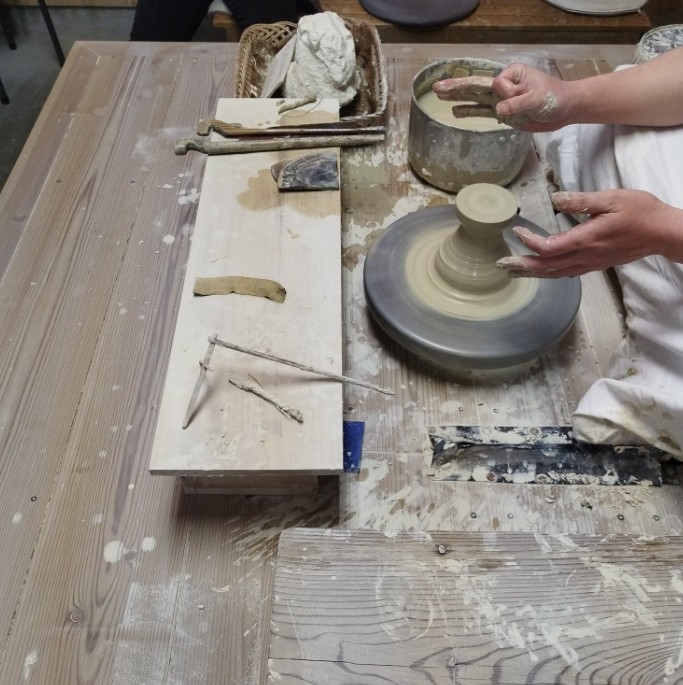
匠 (Takumi) より:
こんにちわ!日本工芸ウオッチャー&ガイドのtakumiです! ようこそ、九谷焼の鮮やかな色彩の世界へ!本シリーズでは「今夜加賀温泉に泊まるゲスト」から、地元でのアトラクションを聞かれた際の九谷焼への誘導&アテンド術をご紹介します。
工芸品に関する知識ゼロのお相手でも、専門用語を抑えた分かりやすい解説で「見てみたい!」から「欲しい!」と思っていただくまでのツボを凝縮しました。日々海外ゲストの対応に忙殺されて、準備に時間をかけられない前線の皆さまの即戦力になる英語表現と笑いのスパイスをお求めの際には、このボタンからチェックしてみてください!
\ 九谷焼ガイド全4シリーズ・現場で即使える情報をチェック /
3.九谷焼の職人&技術
匠のナビゲート:
九谷の美を支えるのは、分業制が生んだプロの意地。職人のこだわりから、アーティスト論争(?)まで深掘りします。
\ ゲストの笑いも取れるかも!真面目な説明力と雑談力UPになる匠パート /

3.1 基本情報
九谷焼の職人と技術をご説明する際に押さえておきたい基本ポイントです。いつも通り日英の順です。👤英語音声は米国女性話者です。
《日本語》
- 完全分業制の伝統: 九谷焼は、形を作る「素地師(きじし)」と、絵を描く「絵付師(えつけし)」が完全に分かれた分業制で発展してきた。
- 上絵付けの殿堂: 九谷焼の職人の花形は「上絵師」である。一度焼かれた白い磁器の上に、色絵具で緻密な世界を描き出す。
- 「筆」へのこだわり: 職人は数種類の細筆を使い分け、髪の毛ほどの細い線から、力強い面塗りまでを自在に操る。
- 盛り(もり)の立体技法: 絵具を厚く盛り上げる独特の技法があり、職人が筆先にのせる絵具の量を指先の感覚でコントロールすることで、宝石のような立体感を生む。
- 五彩を操る色彩感覚: 赤・黄・緑・紫・紺青の5色を混ぜ合わせ、焼成後の発色を予測して色を調合する職人の経験値が、九谷焼の深みを作る。
- 金沢の美、金襴手(きんらんで): 焼き上がった作品にさらに金箔や金粉を施す金彩職人がおり、これによって加賀百万石らしい豪華絢爛さが完成する。
- 素地の多様性: 素地師も、ろくろで円形を作る「挽物(ひきもの)」だけでなく、型を使って複雑な形を作る「型打ち」など、高度な専門技術を持つ。
- 窯焚きの職人芸: 絵付けが終わった器を再び窯に入れ、温度を秒単位の感覚で管理して焼き上げる「窯元」の技術が、色の鮮やかさを左右する。
- 師弟制度と現代の養成: 伝統的な徒弟制度に加え、石川県内には陶芸技術を専門に学ぶ公立の研修所があり、次世代の若手作家を輩出している。
- 作家性の尊重: 九谷焼は職人集団による制作だけでなく、一人の「作家」が全工程の監修、あるいは素地から絵付けまでを一貫して行い、芸術性を高める文化も根強い。
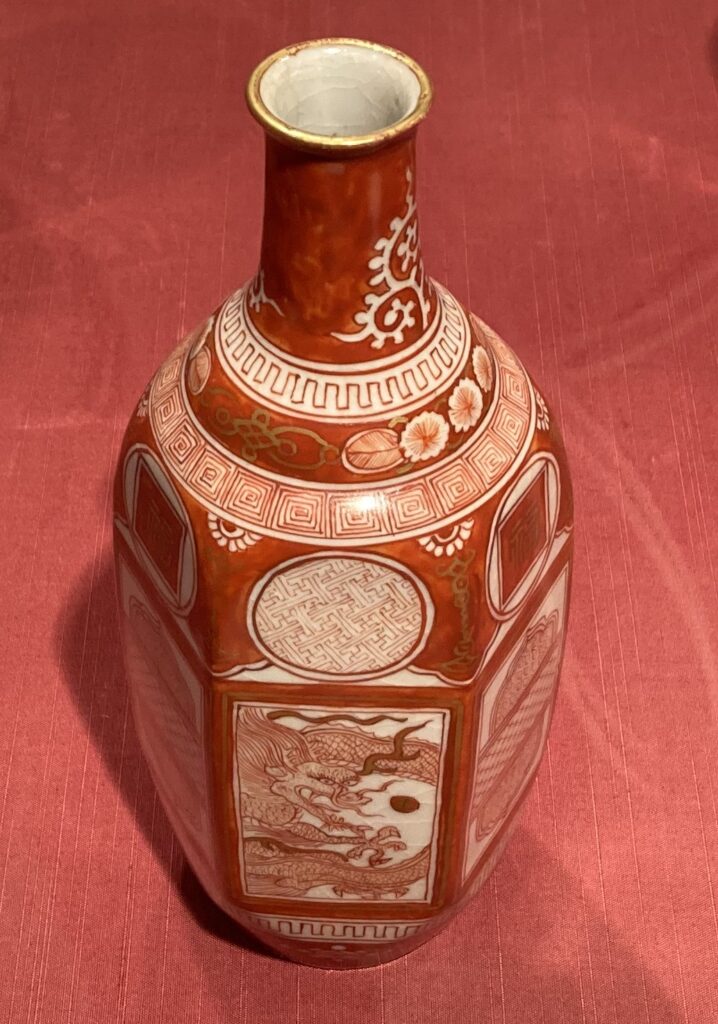
《English》
- 1. Traditional Division of Labor: Kutani-ware has flourished through a strict division of labor between the “Kijishi” (potters who shape the clay) and the “Etsukeshi” (painters who apply the designs).
- 2. The Hall of Overglaze Painting: The stars of Kutani craftsmanship are the overglaze painters. They create intricate worlds using colored enamels on top of white porcelain that has already been fired once.
- 3. Mastery of the Brush: Artisans skillfully use various fine brushes, controlling everything from lines as thin as a strand of hair to bold, broad strokes.
- 4. The “Mori” 3D Technique: A unique technique involves applying thick layers of enamel to create a raised texture. The artisan’s intuitive sense for the amount of pigment on the brush tip creates a jewel-like, three-dimensional finish.
- 5. Sensitivity to the Five Colors: Artisans mix the five traditional colors (red, yellow, green, purple, and navy) based on years of experience, predicting how the colors will transform after firing.
- 👥連続音声1-5
- 6. The Splendor of “Kinran-de”: Specialists in gold leaf and powder add the final touches of gold, completing the lavish and gorgeous look characteristic of the Kaga domain’s heritage.
- 7. Diversity in Shaping: Beyond the potter’s wheel, artisans possess high-level expertise in techniques like “Katauchi,” where molds are used to create complex and non-circular shapes.
- 8. The Art of Kiln Firing: The “Kiln Master” manages the firing temperature with split-second precision, which ultimately determines the final vibrancy and clarity of the colors.
- 9. Apprenticeship and Modern Training: In addition to traditional apprenticeships, Ishikawa Prefecture hosts public research institutes specialized in ceramic arts, nurturing the next generation of young creators.
- 10. Emphasis on Individual Artistry: While mass-produced in teams, Kutani-ware also has a strong culture of individual “Artists” who oversee or execute the entire process to reach higher levels of artistic expression.
- 👥連続音声6-10
Glossary:用語集(職人の意地と超絶技巧編)
- strict division of labor ☛ 厳格な分業制
- potters who shape the clay ☛ 素地を作る職人(素地師/Kijishi)
- stars of Kutani craftsmanship ☛ 九谷の職人技における花形
- intricate worlds ☛ 緻密な(細密な)世界
- already been fired once ☛ すでに一度焼成された
- mastery of the brush ☛ 筆さばきの習熟(筆技の極致)
- lines as thin as a strand of hair ☛ 髪の毛一本ほどの細い線
- bold, broad strokes ☛ 力強く幅の広い筆致(面塗り)
- raised texture ☛ 盛り上がった質感(立体感)
- intuitive sense ☛ 直感的な感覚(指先の感覚)
- transform after firing ☛ 焼成後に変化する(発色する)
- gold leaf and powder ☛ 金箔と金粉
- lavish and gorgeous look ☛ 豪華絢爛な外観
- beyond the potter’s wheel ☛ ろくろ(成形技術)を超えて
- split-second precision ☛ 秒単位の(一瞬の)精密さ
- vibrancy and clarity of the colors ☛ 色の鮮やかさと透明感
- nurturing the next generation ☛ 次世代を育成する
- oversee or execute the entire process ☛ 全工程を監修、あるいは実行する
- higher levels of artistic expression ☛ より高いレベルの芸術的表現
3.2 インバウンドの視点
実際にインバウンドからよく聞かれる質問元にした想定QAです。日本人の職人にとても興味がある彼らが素朴に感じるであろう疑問です。
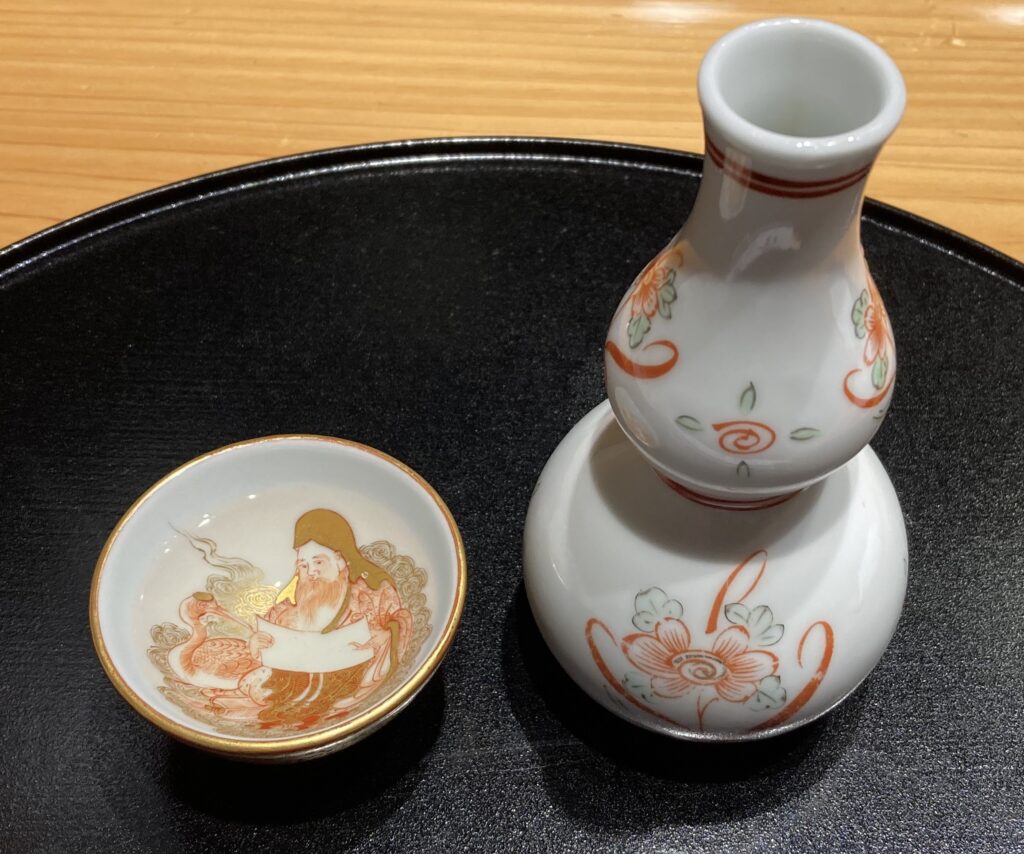
《日本語》
- Q1: 九谷焼の職人になるにはどれくらい時間がかかるの?A: 基礎を身につけるだけでも数年、一人前と呼ばれるまでには10年ほどかかると言われます。特に絵付けは一生かけて腕を磨き続ける世界です。
- Q2: 若い職人はいるの?A: はい、たくさんいます。九谷焼技術研修所には全国から20〜30代の若手が集まり、新しい感性で作品づくりに挑んでいます。
- Q3: 女性の職人も活躍しているの?A: とても多いです。特に繊細な筆使いが求められる絵付けの分野では、昔から女性職人が第一線で活躍しています。
- Q4: 職人はどうやって技術を学ぶの?A: 研修所で学ぶ人もいれば、窯元に弟子入りする人、家業を継ぐ人など、学び方はさまざまです。
- Q5: 職人の1日はどんな感じ?A: 絵付師なら、朝から晩まで机に向かい、極細の筆で文様を描き続けます。集中力がとても必要な仕事です。
- Q6: 1人の職人が全部作ることはできるの?A: 伝統的には分業ですが、最近は成形から絵付けまで一貫して行う作家も増えています。
- Q7: 窯を使うのは誰?A: 素地を作る職人も、絵付けをする職人も窯を使います。ただし、絵付け専門の職人は窯元に焼成を任せることもあります。
- Q8: 職人はどうやって作品を販売しているの?A: ギャラリー、百貨店、オンライン、クラウドファンディング、海外展示会など、販売方法はとても多様化しています。
- Q9: 職人は展覧会にも出るの?A: はい。日展や伝統工芸展など、芸術作品として評価される場にも積極的に出展しています。
- Q10: 職人の収入はどうなっているの?A: 窯元に勤める場合は給料制のこともありますが、多くは個人事業主として作品の販売や注文で収入を得ています。
《英語》
- Q1: How long does it take to become a Kutani ware artisan? A: It usually takes around ten years to master the basic techniques. And for painters, refining their brushwork is truly a lifelong journey.
- Q2: Are there young artisans in the Kutani world? A: Absolutely. Many young people in their 20s and 30s study at the Kutani Technical Training Institute and bring fresh ideas into the craft.
- Q3: Are there female artisans as well? A: Yes, quite a lot. Especially in overglaze painting, women have played a major role for generations and continue to be very active today.
- Q4: How do artisans learn their skills? A: Some study at training schools, others apprentice under established masters, and some inherit their family workshop. There’s no single path.
- Q5: What does a typical day look like for an artisan? A: For painters, it’s hours of sitting at the worktable, drawing delicate patterns with ultra‑fine brushes. It requires intense focus.
- 👥QA連続音声1-5
- Q6: Can one artisan make everything from start to finish? A: Traditionally, Kutani ware is made through a division of labor, but more artists today choose to create the entire piece themselves to express their own style.
- Q7: Who uses the kiln—the clay artisan or the painter? A: Both do, but in different ways. Clay artisans fire the base pieces, while painters use a lower‑temperature kiln for overglaze colors. Some painters fire their own work, others leave it to the kiln studio.
- Q8: How do artisans sell their work? A: Through galleries, department stores, online shops, crowdfunding, and even international exhibitions. Sales channels have become very diverse.
- Q9: Do artisans also exhibit their work as artists? A: Yes, many do. Kutani ware is valued as fine art, and artisans often participate in major exhibitions like the Nitten or the Traditional Crafts Exhibition.
- Q10: How do artisans earn their income? A: Some are employed by kiln studios, but many work independently and earn income through selling their pieces or taking commissions.
- 👥QA連続音声6-10
Glossary:用語集(職人の世界と働き方編)
- master the basic techniques ☛ 基礎技術を習得する(一人前になる)
- refining one’s brushwork ☛ 筆さばき(筆致)を磨き続ける
- lifelong journey ☛ 一生をかけた旅(生涯続く道)
- bring fresh ideas into the craft ☛ 工芸に新しいアイデアを取り入れる
- played a major role for generations ☛ 何世代にもわたり重要な役割を果たしてきた
- apprentice under established masters ☛ 定評のある(高名な)師匠に弟子入りする
- inherit their family workshop ☛ 家業の工房を継ぐ
- there’s no single path ☛ 道は一つではない(学び方は多様である)
- typical day ☛ (職人の)典型的な一日
- hours of sitting at the worktable ☛ 何時間も作業机に向かうこと
- requires intense focus ☛ 猛烈な集中力を必要とする
- make everything from start to finish ☛ 最初から最後まで(全工程を)一人で作る
- express their own style ☛ 独自のスタイルを表現する
- fire the base pieces ☛ 素地を焼成する
- sales channels have become very diverse ☛ 販売経路が非常に多様化している
- valued as fine art ☛ 純粋芸術(美術品)として評価されている
- work independently ☛ 独立して働く(個人事業主として活動する)
- taking commissions ☛ 受注生産(特注品)を受ける

3.3 笑いが取れるかも?説明例
Q1:九谷焼の職人になるには?
How can people become a Kutani ware artisan?
よく聞かれる質問を元に前半、真面目パート(1-6)と後半のおふざけパート(7-12)でまとめてみました。今回は焼きに関する英語表現を織り込みました。👤英語音声は米国男性話者です。
- Unlike in the past, modern times offer several paths for aspiring craftsmen. 九谷焼の職人になる道は、昔に比べてずいぶん多様になりました。
- In the Kutani region, there is a public Kutani Ware Technical Training Institute where many students learn the fundamentals. 地元には公立の「九谷焼技術研修所」があり、多くの若者がここで基礎を学びます。
- The traditional route of apprenticeship also remains: studying under a master, watching their every movement, and spending years absorbing the craft through imitation—an age-old way of learning. もちろん、昔ながらの「弟子入り」という道も健在です。特定の師匠のもとで技を見て学び、何年もかけて身ぶり手ぶりを体に染み込ませていく、古くからの修行の形です。
- An art or design background can also be a strong advantage. In recent years, more young creators have studied at art universities before entering the world of Kutani ware. 美術大学でデザインを学んでから九谷焼の世界に入る若い作り手も増えており、芸術的な素養が強みになることもあります。
- But in the end, what truly matters is the passion and perseverance to endure the many setbacks on the road to becoming a professional. しかし、最終的に本当に大切なのは、数々の失敗を乗り越える情熱と粘り強さです。
- This is something no classroom can teach. It must be earned through hands-on experience, one piece at a time. これは学校の授業だけでは身につきません。実際に土に触れ、作品を焼き、一つひとつ積み重ねる中でしか育たないものです。
- In Japanese, we say that applying heat “toughens up a spoiled nature,” and the expression fits Kutani ware perfectly. 日本には「甘い性根を焼き直す」という言い回しがありますが、九谷焼にはまさにぴったりです。
- Each piece is fired multiple times, and beginners fail again and again—quite literally having their skills tempered in the heat of the kiln. というのも、一つの作品が完成するまでに何度も窯で焼かれ、初心者は失敗を繰り返しながら、文字どおり高温の窯で腕を“鍛えられて”いくからです。
- When you think about it, Kutani ware pieces really do contain the heart of the artisans who make them. そう考えると、九谷焼の器には、作り手の“心”が宿っていると言っても過言ではありません。
- That reminds me of my best friend, a devoted Kutani ware fanatic. Even he occasionally breaks a piece by accident, and he says it feels as if his heart shatters along with it. 私の親友にも、筋金入りの九谷焼オタクがいるのですが、彼でさえ時々うっかり器を割ってしまうことがあります。そのたびに「心臓が砕けた気がする」と本気で落ち込むのです。
- Is it empathy for the artisan’s heart—the very essence of the cup? That might be part of it. 職人の“心”が宿る器への共感ゆえなのか? それもあるでしょう。
- But in his case, there’s another reason. His own heart, already fragile, gets scorched even further… by his wife, who erupts in fury like a kiln! しかし、彼の場合はもう一つ理由があります。割れた器以上に砕けそうな彼の心を、さらに容赦なく“焼き上げる”存在がいるのです。そう、怒りの炎を燃やす奥さんという名の“窯”が!
Glossary:用語集(職人への道と焼き直し編)
- aspiring craftsmen ☛ 職人を志す人々
- learn the fundamentals ☛ 基礎(基本)を学ぶ
- traditional route of apprenticeship ☛ 伝統的な弟子入りの道
- absorbing the craft through imitation ☛ 見よう見まねで技を吸収する
- age-old way of learning ☛ 古くから続く学習(修行)の形
- art or design background ☛ 芸術やデザインの経歴(素養)
- passion and perseverance ☛ 情熱と粘り強さ(不屈の精神)
- endure the many setbacks ☛ 数々の挫折(失敗)に耐える
- earned through hands-on experience ☛ 実地体験(実践)を通じて身につける
- toughens up a spoiled nature ☛ (慣用句的な比喩)甘い性根を焼き直す、叩き直す
- skills tempered in the heat of the kiln ☛ 窯の熱で鍛えられた(磨かれた)技術
- devoted Kutani ware fanatic ☛ 筋金入りの九谷焼マニア(狂信的なファン)
- breaks a piece by accident ☛ うっかり(作品を)割ってしまう
- heart shatters along with it ☛ (器と)一緒に心が粉々に砕ける
- already fragile ☛ すでに脆い(壊れやすい)
- erupts in fury like a kiln ☛ 窯のように激しい怒りを爆発させる

Q2. 九谷焼の絵付師って、職人なんですか?アーティストなんですか?
“Is a Kutani painter a craftsman, an artisan, or an artist?”
- Traditionally, creators of Japanese crafts have been called craftsmen, so “artisan” is certainly appropriate. 日本の伝統工芸では、昔から作り手を“職人”と呼んできたので、「職人」や「artisan」という言い方は確かに自然です。
- But the truth is more complicated today. ただ、真実はもっと複雑です。
- Many traditional artisans now work like artists, expressing their own ideas and creativity. 現代の伝統工芸の作り手は、自由な発想や独自の表現を追求する“アーティスト寄り”の存在になってきているのも事実です。
- Kutani ware in particular has always embraced originality—its painters have long created bold, individual designs that earned high praise overseas as true works of art. 特に九谷焼は、歴史的に“個性”を受け入れてきた工芸です。絵付師それぞれの独創的なデザインが評価され、海外でも「アート性の高い工芸」として高く評価されてきました。
- For Kutani painters, the porcelain surface is essentially a canvas. 絵付師にとって、九谷焼の素地はまさにキャンバスです。
- It’s a place for free expression, and in that sense, they really are painters. 自由に表現できる舞台で、その意味では、彼らは確かに“画家”でもあります。
- And because Kutani ware ranges from everyday tableware to high‑end interior pieces and sculptural works, calling it simply “tableware” doesn’t capture its full scope anymore. さらに、九谷焼は日常使いの器から高額なインテリア作品、オブジェまで幅広く展開しており、もはや「食器」という言葉では収まりきらない存在になっています。
- At this point, arguing whether it’s craft or art feels almost meaningless. そう考えると、「工芸かアートか」という議論自体、あまり意味がないのかもしれません。
- That’s why Kutani painting is so tricky to label. そのため、九谷焼の絵付師をどう呼ぶかは本当に難しい問題です。
- The people who create it don’t fit neatly into one category. それを作る人々は、一つのカテゴリーにきれいに収まるものではありません。
- As a local guide, I’ve learned to choose the term based on the person I’m talking to. 地元ガイドとして長く活動していると、結局は相手によって呼び方を変えるようになりました。
- It’s not about technique—it’s about atmosphere. 技法の話ではなく、雰囲気の問題です。
- If someone has that slightly intimidating aura, I call them an artist. 少し近寄りがたいオーラをまとっている人は“アーティスト”。
- If they’re relaxed and easy to chat with, I call them an artisan. 気さくに話せる人は“職人”。
- That’s honestly how I judge it. 自分の中では、だいたいそんな感じで判断しています。
- And I’m clearly not the only one who struggles with this.そして、このことで悩んでいるのは明らかに私だけではありません。
- So why not just call them Kutaniists? それなら、ただ彼らを「クタニスト」と呼ぶのはどうでしょう?
- But then again, “Kutaniist” sounds a bit like “artist,” doesn’t it? でも、これだと結局アーティストっぽい響きになってしまいます。
- Maybe we should go with something that works for everyone in Japan—and around the world. そこで、日本で、そして世界中で、みんなに通用するものにすべきかもしれません。
- Just call them Kutani‑san, not an artisan. 職人さん、でなく、ただ、九谷さん、って。
- Add “‑san,” and suddenly anyone can say it with respect and affection.「さん」をつければ、誰でも突然、敬意と愛情を持って言うことができるので。
Glossary:用語集(職人・芸術家・クタニスト編)
- certainly appropriate ☛ 確かに適切である
- truth is more complicated ☛ 真実はもっと複雑だ
- embraced originality ☛ 独創性(オリジナリティ)を受け入れてきた
- earned high praise overseas ☛ 海外で高い評価を得た
- true works of art ☛ 真の芸術作品
- essentially a canvas ☛ 本質的に(まさに)キャンバスである
- doesn’t capture its full scope ☛ その全貌(全体像)を捉えきれていない
- feels almost meaningless ☛ ほとんど無意味に感じられる
- tricky to label ☛ ラベルを貼る(定義づけする)のが難しい
- don’t fit neatly into one category ☛ 一つのカテゴリーにきれいに収まらない
- choose the term based on ~ ☛ ~に基づいて用語を選ぶ
- slightly intimidating aura ☛ 少し威圧的な(近寄りがたい)オーラ
- relaxed and easy to chat with ☛ リラックスしていて話しやすい
- struggles with this ☛ このこと(悩みや問題)に苦労している
- sounds a bit like ~ ☛ 少し~のように聞こえる
- with respect and affection ☛ 敬意と愛情を持って
- Just call them Kutani-san, not an artisan. ☛ 職人(という肩書き)ではなく、単に「九谷さん」と呼びなされ。
御礼🔶あとがき

最後までお読みいただきありがとうございます!加賀温泉郷や金沢の街歩きで「今夜どこへ行こう?」「何か面白い工芸品はある?」と聞かれた際、鮮やかな九谷五彩のストーリーとちょっとした笑いのスパイスが、ゲストの心をつかむ一助となれば幸いです。本シリーズへのご感想や、現場でのガイド解説に関するご相談などがありましたら、下記よりお気軽にご連絡ください。