商談相手とハイヤーで移動中… ネットで見た「この『地蔵』って一体何?」と聞かれたら?
こんにちは!結です。🌸 今日は全国至る所にある『お地蔵さん』についてご案内します。「昔からある石の像です」と答えるだけでは、ゲストの心は動きません。 移動中のわずかな時間で、相手の感性に響き「ぜひ一度見てみたい!」と言わせるための、5つの視点(食べ物・アート・建築・ファッション・日本人)を揃えました。
ゲストの関心に合わせて30秒でネタを仕込む!
【一言で腑に落ちる】王道&変化球
【インバウンド5大関心別】さらに一歩踏み込む(フォローセリフ)
1. この一言で腑に落ちる?
このパートのいずれかのワンフレーズでご納得いただけたらラッキーですね。もしだめなようでしたら、次のパートもお試しください。いつも通り、日本語で言えないことは英語でも言えませんので、日本語>英語順でご紹介します。
1.1 古来からの地域の身近な守護者?
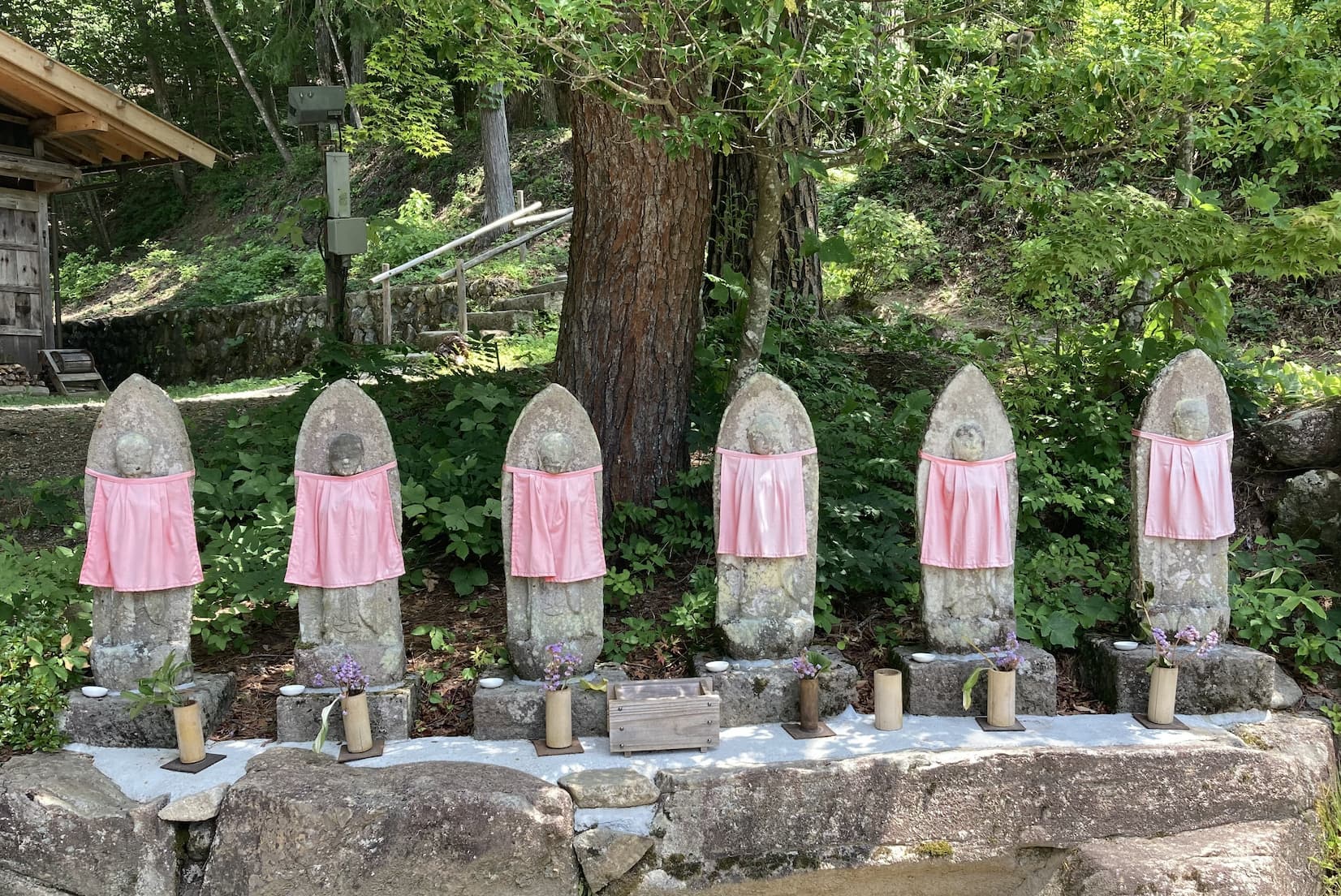
「お地蔵さんは、昔から日本のあちこちで見られる“身近な守り役”です。姿は菩薩を模していますが、決して遠い存在ではなく、むしろ道端や村の入口にそっと立ち、旅人や地域の人の日常をやさしく見守る存在として親しまれてきました。とりわけ、子どもや幼い命を守る守護者として深く愛されています。」
“Since ancient times, these figures have been found all across Japan as familiar guardians for local communities. Although they represent a Bodhisattva—a type of Buddha—they are not distant or intimidating figures. Instead, they are friendly, approachable guardians placed along roadsides and at village entrances, watching over travelers and the daily lives of local people. They are especially loved as protectors of children and young souls.”
1.2 日本式『守護天使』?
「お地蔵さんは日本ならではの仏像ですが、その役割は西洋の“守護天使”にとても近く、慌ただしい日常の中でいつも人々のそばに寄り添う存在です。国家が造る壮大な仏像とは違い、庶民は自分たちの願いごとや悩みに合わせて、お地蔵さんにまつわる物語を自由に育ててきました。だからこそ、地域ごとに本当に多彩なお地蔵さんが生まれたのです。今でも、地元の人がこまめに手入れをし、花やお供えが絶えることなく置かれている光景を目にするかもしれません。」
“Although these are uniquely Japanese forms of Buddha, they act much like Western ‘guardian angels’—always standing by ordinary people in the hustle and bustle of daily life. Unlike grand statues promoted by the state or ruling class, ordinary folks freely created stories around them based on their own hopes and struggles. That is why you can find such a wide variety of Jizō statues across the country. As a symbol of strong community bonds, you might witness locals caring for them, ensuring their flowers and offerings are never missing.”
2.次の補足でご納得?
残念ながら前パートで外した場合のフォローセリフ、いつも通りインバウンド視点を踏まえ関心別に置いてみました。色々な表現を織り込むため、全体的にかなり長くなっていますが、お気に入りのフレーズあれば現場でも試してみる、そんな軽いノリでご利用ください。
2.1 建築(匠:たくみ)系
👉木造のマイクロ・アーキテクチャ?
「建築好きの方には、道端の地蔵を祀る小さな木造の祠(辻地蔵)がつくり出す“マイクロ・アーキテクチャ”をぜひ見ていただきたいです。幅わずか1メートルほどの、世界でも最小クラスの建築ですが、瓦屋根や伝統的な切妻、細かな格子戸まで驚くほど丁寧に作られています。街角や壁のくぼみなど、限られたスペースに自然に溶け込むこのミニチュアの祠は、日本の都市デザインの感性を垣間見せてくれる、とても面白い存在です。」
“For architecture enthusiasts, I highly recommend checking out the micro-architecture of the tiny wooden structures that house roadside Jizō statues (Tsuji-Jizō) across Japan. Although they are among the world’s smallest built environments—often measuring just about one meter in width—they are crafted with incredible detail, featuring tiled roofs, traditional gables, and lattice sliding doors. Seamlessly integrated into tight spaces like street corners and wall alcoves, these miniature shelters offer a fascinating glimpse into the Japanese sense of urban design.”
2.2 ファッション系
👉お地蔵さんと圧巻のコラボ写真?
「ファッション好きの方には、地蔵さんを背景にした全身コーデの写真撮影をぜひおすすめします。コントラストが本当に見事です。時の流れで丸みを帯びた苔むした石、風雨で味わいを増した素朴な木造の祠が、独特の“わびさび”の美しさを生み出し、モダンなストリートウェアやコーディネートをぐっと引き立ててくれます。写真の中では、まるで時代を超えた守護者のそばに立つ、スタイリッシュな“守護天使”のように見えるかもしれません。」
“For fashion lovers, we recommend taking a full-body outfit shot with a Jizō statue in the background. The contrast is stunning: the moss-covered stones aged by time, the softened features, and the rustic wooden shelters aged by the elements create a unique ‘wabi-sabi’ aesthetic that makes your modern streetwear or outfit truly pop. In the frame, you might even look like a stylish guardian angel standing alongside a timeless protector!”
2.3 アート系
👉アートでないお地蔵さんは芸術的?
「アート好きの方には、地蔵さんが日本の民芸の魅力をよく映し出している点をぜひ見ていただきたいです。道端に立つ多くの地蔵像は、専門的な訓練を受けていない、普通の村人や地元の石工が彫ったものです。“美術品”としてではなく、隣人への愛や守りたい気持ち、日々の祈りを素直に形にした像だからこそ、素朴で心に響く美しさがあり、現代の民芸にも通じる力を感じさせます。」
“For art lovers, Jizō statues offer a fascinating glimpse into Japanese folk art. Most of these roadside figures were sculpted by everyday villagers and local stonemasons with no formal training. Created not as ‘fine art,’ but as genuine expressions of love, protection, and devotion for their neighbors, these statues carry a raw, heartfelt beauty that rivals any modern folk art.”
2.4 フード系
👉長寿国日本の秘密は地蔵煎餅?
「食に関心がある方には、お地蔵さんの顔や姿が型押しされたお煎餅や和菓子がおすすめです。神仏を食べるなんて大丈夫?と心配されるかもしれませんが、まったく問題ありません!これは『聖なる存在にかたどられた食べものを体に取り入れることで、健康や安全などのご利益を身体の内側から授かる』という日本ならではの信仰感覚です。もしかすると、世界有数の長寿国である日本の秘密は、お地蔵さんの表情からあふれ出る慈悲の力なのかもしれません。」
“If you’re a food lover, we recommend trying rice crackers and traditional Japanese sweets stamped with or shaped like Jizō. Worried about eating a deity? Don’t be—it’s completely okay! This reflects a unique Japanese belief that consuming food shaped like a sacred being allows you to receive blessings, like good health and safety, from the inside out. Perhaps Japan’s world-leading longevity is partly thanks to the gentle, radiating grace of Jizō!”
2.5 日本人系
👉日本人は合掌をお地蔵さんから学ぶ?
「日本各地には、さまざまな道端の石像(石仏)が見られます。その中には、人間の頭の上に馬の頭を持つ守護神である馬頭観音や、道祖神のような土着の守護神の像も含まれます。それぞれに異なる由来、姿、役割があります。その中でも、地蔵菩薩は圧倒的な多数を占めており、日本の守護神が持つべき理想的な資質を体現しています。頭を剃り、穏やかな微笑みを浮かべ、若さと守護を象徴する赤い襟当てを身につけ、杖と宝珠を手にした地蔵菩薩は、あらゆる願いを受け入れてくれます。堅苦しい教義に縛られることなく、日常の街角にただ佇むその姿こそが、日本人に「合掌」という穏やかな精神を自然に教えてくれているのです。」
“Across Japan, you will find various roadside stone figures (Sekibutsu). These include Batō Kannon—a guardian deity with a horse’s head atop its own—and indigenous border gods figures like Dōsojin. Each has different origins, appearances, and roles. Among them all, Jizō holds an overwhelming majority, embodying the ideal qualities of a Japanese guardian deity. With a shaved head, a gentle smile, a red bib—symbolizing youth and protection—and a staff and jewel in hand, Jizō accepts every kind of wish. Free from rigid doctrines, his simple presence on everyday street corners is what naturally teaches Japanese people the gentle spirit of gasshō—joining one’s hands in prayer.”
御礼&後書き

👆 今回も最後までお読みいただき、ありがとうございます。 本ブログに関するご意見やご要望がございましたら、下記より、お気軽にお声がけくださいね。