- A Guide to Japan’s Most Beautiful Wooden Treasures
- 0. What’s in This Guide?
- 1. Essential Vocabulary: Master the Language of Wood
- 2. Yamanaka Lacquerware: An Overview
- 3. The Artisans & Their Master Techniques
- 4. The Business of Yamanaka Lacquerware
- 4.3 Ready to Crack a Smile?
- Deepen Your Journey: Recommended Resources
A Guide to Japan’s Most Beautiful Wooden Treasures
Introduction
Are you staying in the Kaga Onsen area tonight and looking for something truly special to see? Beyond the relaxing hot springs lies a 450-year-old tradition of master craftsmanship: Yamanaka Lacquerware.
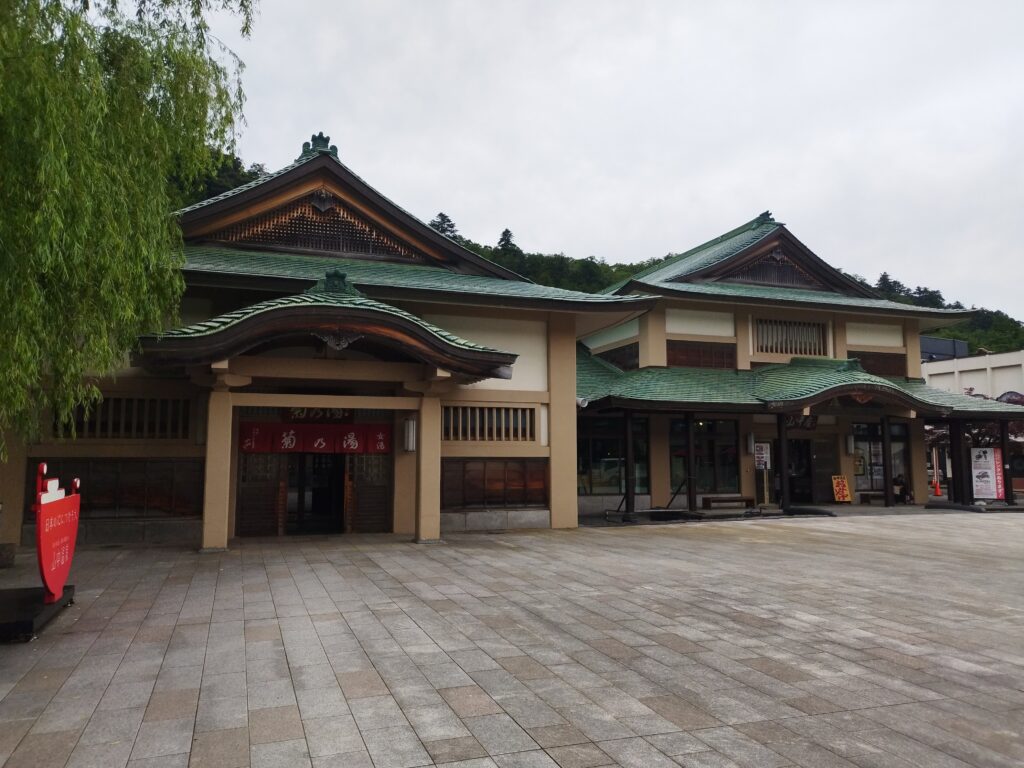
While many people think of lacquerware as just “shiny red bowls,” Yamanaka-ware is different. It is celebrated as the pinnacle of woodwork in Japan. Here, the focus is on the soul of the tree—the natural wood grain—brought to life by artisans who carve wood with the precision of a diamond cutter.
In this guide, we’ll skip the dry textbooks and show you why these lightweight, warm-to-the-touch treasures are more than just dishes—they are “functional art” that ages gracefully with you for a lifetime.
0. What’s in This Guide?
- Essential Vocabulary: From “Casual” to “Expert” terms to help you shop like a pro.
- The Yamanaka Difference: What makes this lacquerware the favorite of wood lovers.
- Q&A for Travelers: Is it microwave-safe? How do I carry it home?
- Ready to Crack a Smile?: Entertaining stories and insider trivia to share over dinner.
1. Essential Vocabulary: Master the Language of Wood
To help you appreciate the craft (and maybe find your perfect piece), here are the keywords categorized by your level of interest.
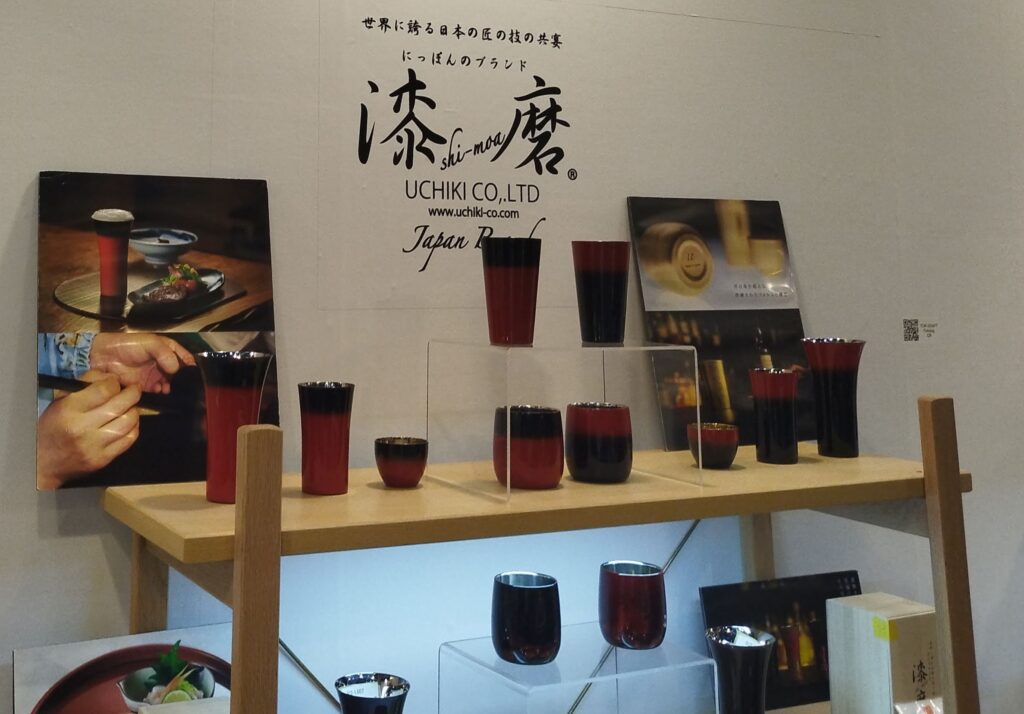
1.1 For Casual Admirers (Touch & Feel)
- Lacquer (Urushi): The sap of the lacquer tree. Think of it as nature’s ultimate, eco-friendly resin.
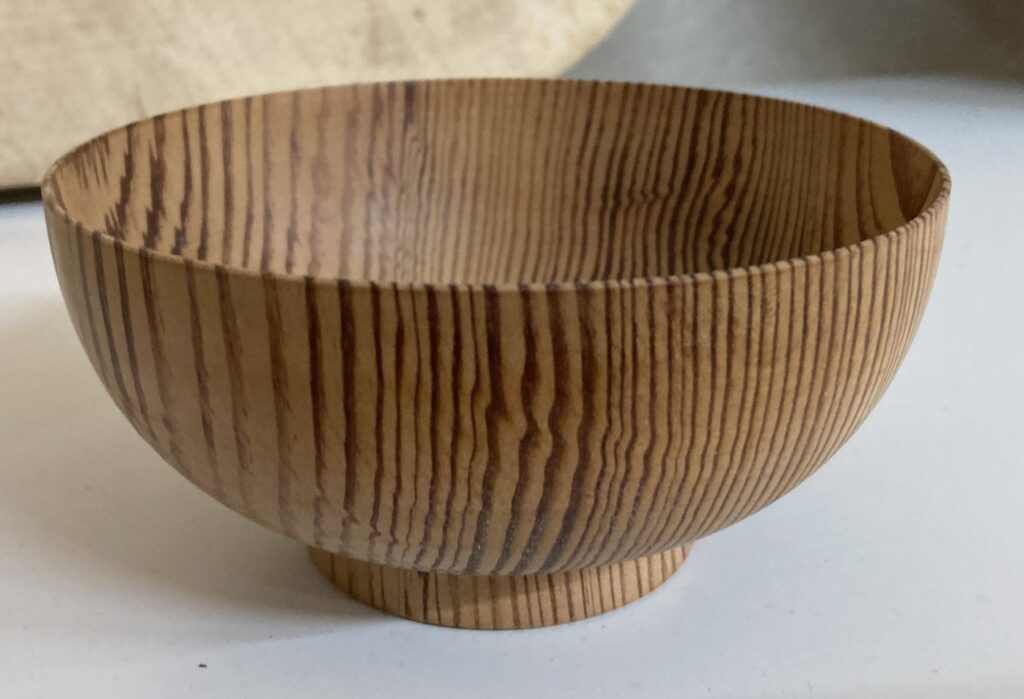
- Wood Grain (Mokume): The natural, unique patterns of the wood. In Yamanaka, this is the “star of the show.”
- Lightweight: The first thing you’ll notice. These bowls feel almost like air in your palm.
- Warmth: Unlike ceramic or glass, wood maintains a gentle temperature that feels kind to your hands.
- Durable: Don’t be fooled by the elegance; with simple care, these are sturdy enough to last a lifetime.
- Vermilion (Shu-nuri): The iconic, vibrant red that symbolizes Japanese tradition.
- Soup Bowl (O-wan): The classic vessel for Miso soup, and the perfect “starter piece” for your collection.
1.2 For Culture Lovers (The Artisan’s Secret)
- The Raw Base (Kiji): The beautifully carved wooden form before any lacquer is applied.
- Lathe-Turning (Hikimono): The art of shaping wood by spinning it at high speeds while carving it with a blade.
- Vertical Cutting (Tateki-dori): Yamanaka’s secret technique. By cutting wood vertically along the grain, the bowls become incredibly resistant to warping or cracking.
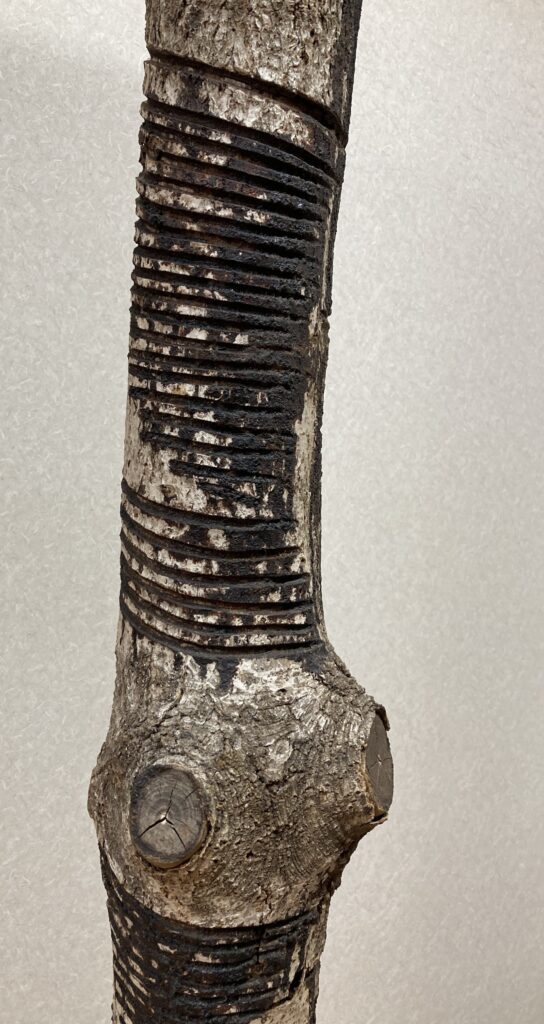
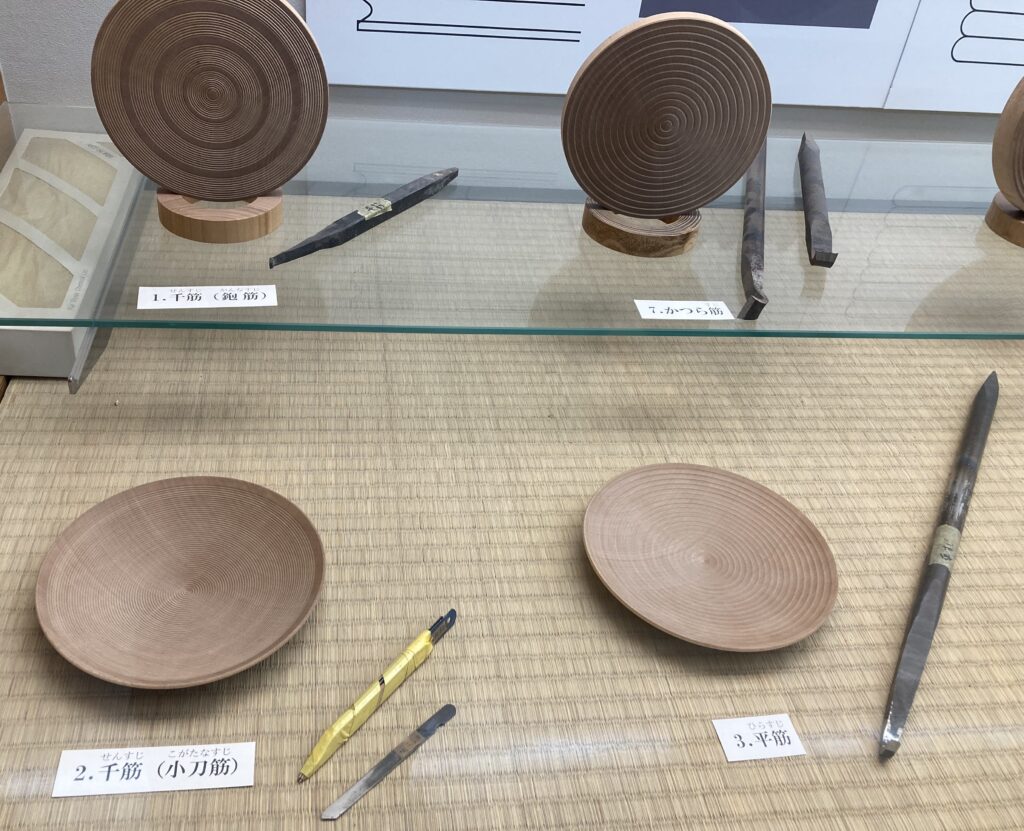
- Decorative Turning (Kashoku-biki): Intricate, hairline grooves carved into the surface for a delicate texture.
- Premium Natural Wood: High-quality woods like Zelkova (Keyaki) or Horse Chestnut (Tochi) are the gold standard here.
- Maki-e: The stunning art of painting designs in lacquer and sprinkling them with real gold or silver powder.
1.3 For the Connoisseur (Ready to Purchase)
- A Thousand Lines (Sensuji): The iconic Yamanaka pattern featuring hundreds of ultra-fine parallel rings. It’s a test of the master’s steady hand.
- Wiped Lacquer (Fuki-urushi): A style where lacquer is applied and wiped off repeatedly to let the natural wood grain shine through.
- Amber Finish (Tame-nuri): A sophisticated technique of layering translucent lacquer over red, creating a deep, glowing amber effect.
- Reinforcement (Nunokise): Applying thin linen cloth to fragile edges to make the piece virtually indestructible.
- Aging Gracefully: The magical quality of high-quality lacquer—the more you use it, the glossier and more beautiful it becomes over the years.
2. Yamanaka Lacquerware: An Overview
2.1 Basic Information (Deepen your knowledge)
Here are the essential points to keep in mind when explaining Yamanaka lacquerware.
- Origin: Yamanaka lacquerware has been crafted in the Yamanaka hot springs area since the late 16th century.
- History: It was originally developed as souvenir bowls and trays for visitors seeking healing spa treatments. Today, it is regarded as one of the finest lacquerware traditions in Japan.
- Process: The production involves a specialized three-step division of labor: Kiji (wood processing), Lacquering, and Maki-e (gold-relief decoration).
- Specialty: While lacquerware is produced across Japan, Yamanaka has long been the national leader in woodworking (lathe-turning).
- Character: One striking characteristic of Yamanaka-ware is the deliberate display of wood grain.
- Philosophy: As if honoring the natural world, artisans choose to keep wood patterns and even “imperfections” visible, turning them into unique beauty.
- The Result: Every piece is one-of-a-kind, from smooth bowls with wavy grains to sake cups with naturally speckled patterns.
- Heritage: Many Yamanaka-nuri craftspeople today employ the exact same hand-turning techniques used 400 years ago.
- Variety: The lineup ranges from natural wood-grain styles to those emphasizing the intricate, shimmering beauty of Maki-e designs.
- Modernity: Yamanaka-nuri has evolved to stay relevant, offering everything from traditional museum-quality pieces to modern, durable variations for everyday use.
2.2 FAQ: The Traveler’s Perspective
Common questions from visitors curious about Japanese daily life and craftsmanship.
- Q: What exactly is lacquerware, and what is it made of? A: It is a traditional Japanese craft where natural wood is coated with “Urushi” (sap from lacquer trees). This coating provides incredible strength and a deep, lustrous finish.
- Q: How is it different from pottery or porcelain? A: Unlike ceramics made from clay, lacquerware is exceptionally lightweight and durable. It also has a warm, soft touch and a unique depth of color that ceramics cannot replicate.
- Q: How is it made? A: It starts with a base of carved wood. Then, many layers of lacquer are applied. For high-end pieces, a decorative process called Maki-e (sprinkling gold powder on wet lacquer) is added.
- Q: Who uses lacquerware and for what purpose? A: It has been used for tableware and storage since ancient times. Since the rise of the tea ceremony, it has also been highly valued as a form of fine art.
- Q: What makes Yamanaka-ware different from other lacquerware (like Wajima)? A: Yamanaka is the “Master of the Wood Base.” Their woodworking techniques are the best in Japan, focusing on expressing the natural power and beauty of the wood itself.
- Q: Can I find these in mass-market department stores? A: While some modern versions are available, authentic Yamanaka-ware is best acquired from specialized workshops and galleries where the artisan’s quality is guaranteed.
- Q: How much should I expect to pay? A: Prices vary based on complexity. They typically range from a few thousand yen for everyday items to several hundred thousand yen for masterpiece-level work.
- Q: Is it microwave-safe? Can I wash it normally? A: Authentic lacquerware is not microwave-safe. To keep it beautiful, wash it gently with warm water and a soft sponge. Avoid soaking it for long periods.
- Q: Do modern Japanese people use it every day? A: Yes, many still use lacquer soup bowls daily. However, for convenience, many people also use modern plastic versions alongside the traditional ones.
- Q: What is the advantage over plastic containers? A: Plastic is static, like an artificial flower. Authentic lacquerware “breathes” and reacts to humidity. Over years of use, its texture and luster actually improve—it grows with you!
2.3 Ready to Crack a Smile?
Q1: What is the appeal of Yamanaka lacquerware?
From 400-year-old souvenirs to the modern struggle of online shopping, let’s explore why this craft continues to capture our hearts (and why I’m still waiting to visit the hot springs).
- The appeal of Yamanaka lacquerware lies in its remarkably wide range of products.
- It is said to have begun about four hundred years ago as souvenirs for visitors coming to Yamanaka Onsen for therapeutic hot‑spring baths.
- Souvenirs shouldn’t be bulky or heavy, and Yamanaka lacquerware has carried that “DNA” of creating items tailored to customers’ needs ever since.
- Because of this, Yamanaka lacquerware has never confined itself to traditional natural‑wood pieces.
- It has continued to create products that match the needs of each era. Its charm lies in this diversity—from classic wooden lacquerware to modern materials like plastic—allowing customers to choose items that fit their lifestyle and budget.
- And nowadays, you can easily buy Yamanaka lacquerware online without even visiting Yamanaka Onsen.
- Just by browsing the website and looking at the photos, you can see how wonderful the products are and feel tempted to buy them.
- But strangely, many people end up giving up on the purchase. I’m one of them.
- Maybe this is also part of the “DNA” of the Yamanaka brand, which has been making souvenirs for hot‑spring guests for centuries.
- When I look through a Yamanaka lacquerware catalog, I suddenly feel an overwhelming urge to visit a hot spring first and buy something there.
- And then I realize something: people like me—who are poor—don’t have the money or time to go to hot springs.
- And I also realize something else: I’m just making excuses and not taking action… thanks to the DNA passed down from my ancestors for hundreds of years.
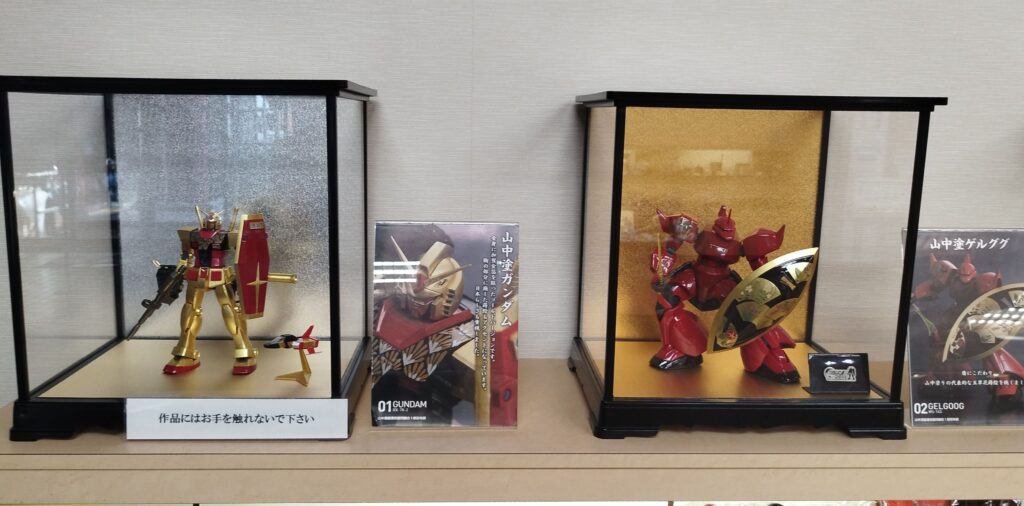
Q2: How was Yamanaka Lacquerware born?
Discover the nomadic roots of the woodturners who founded this tradition and the secret handshake between wood and clay that defined the region’s “vessel” of success.
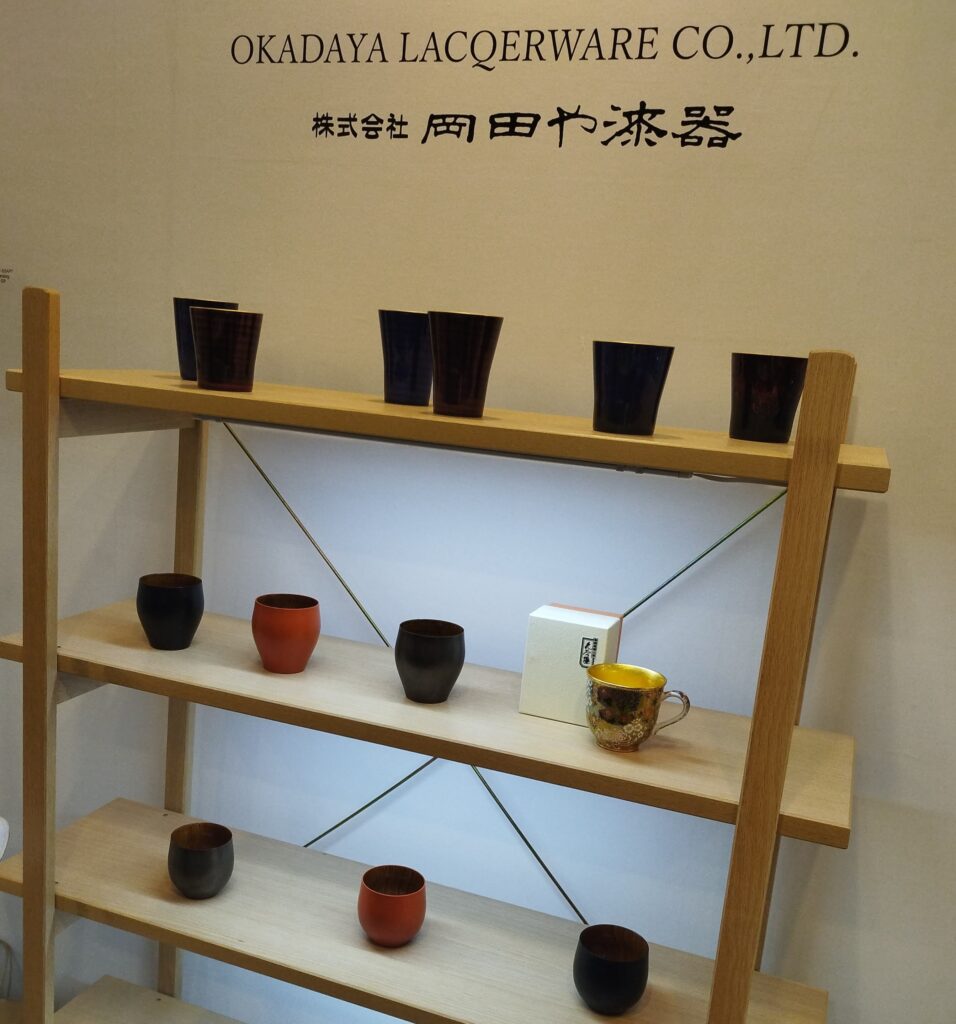
- It is said that there was originally a group of people who made vessels from wood in the vicinity of the capital and moved to the Yamanaka area more than 400 years ago.
- They have been called “kjishi,” or woodturners, and they were said to have traveled all over the country in search of high-quality forests from which to make their vessels.
- They noticed that in addition to the abundant variety of forests in this Yamanaka area, there is also a market of hot-spring cure customers in Yamanaka Onsen (hot springs).
- This is where the long history of Yamanaka lacquerware began, and it developed into a diverse assortment of lacquerware made of wood, makie lacquerware, and modern materials.
- Kutani-yaki ceramics were also born here, but these two types of tableware were in many ways contrasting.
- The former was a government-run brand established by the lords of the time, while the latter was an obscure private start-up.
- Although they compete with each other in the tableware market, the two have never had a major rivalry.
- In recent years, the two brands have collaborated on presentations and exhibitions on a regular basis.
- In English, it is easy to understand: the techniques of shaping clay and shaving wood shake hands.
- It could be said that the two parties engaged in friendly competition in technology and enhanced each other’s skills in a win-win relationship.
- We feel that the two, who aimed for a large market rather than being confined to a small market, have what is called in Japanese ”a large vessel” meaning ”a large perspective”.
- However, it is probably best to avoid praising them in such a way when they are both in the same place.
- We don’t want to see a sad battle where both sides keep making bigger and bigger vessels, caring about which perspective is bigger.
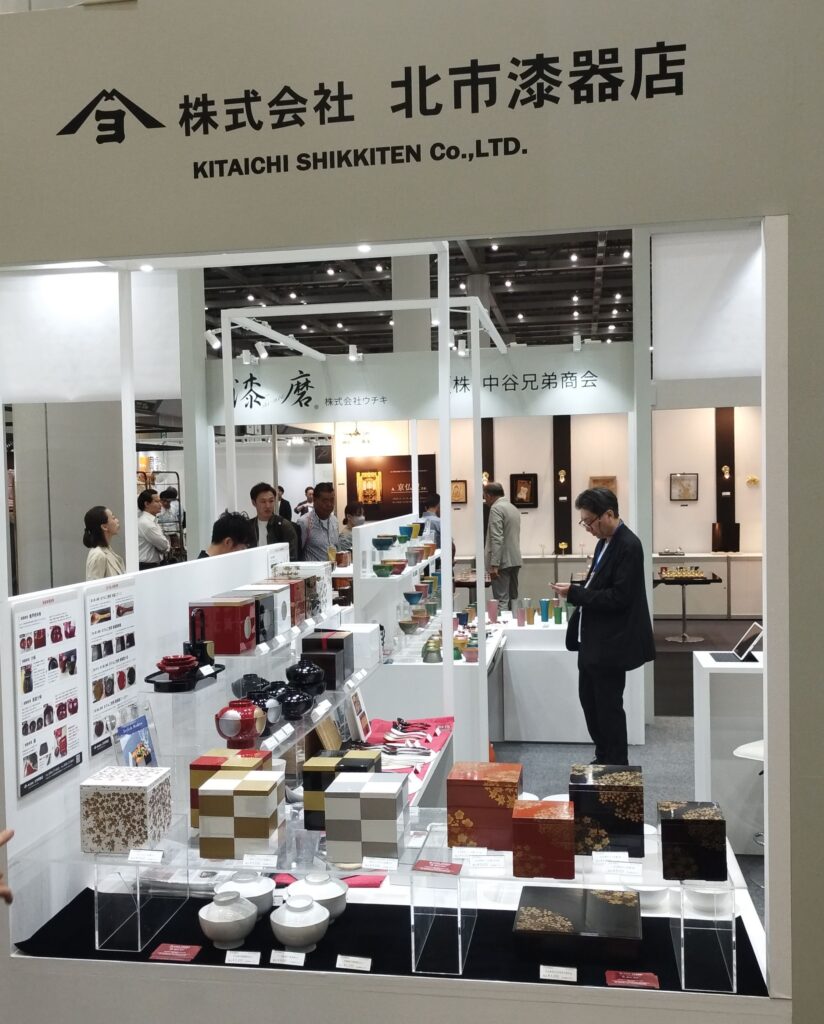
3. The Artisans & Their Master Techniques
Meet the masters behind the wood and the centuries-old “Division of Labor.”
3.1 Key Insights into Yamanaka Craftsmanship
- A Trio of Specialists: Yamanaka lacquerware thrives on a highly specialized division of labor. Artisans are divided into three distinct roles: Kijishi (woodturners), Nurishi (lacquerers), and Makie-shi (decoration artists).
- The Kingdom of Wood: Historically, the woodturners here are so elite that the region is famously called “Yamanaka of Woodworking.” In this town, the woodturner holds the highest status among all artisans.
- Sub-Millimeter Precision: The “Hikimono” (lathe-turning) technique is unparalleled. Masters shave vessels from raw logs with a precision of 0.1mm—thinner than a credit card.
- High-Speed Mastery: Yamanaka lathes rotate at much higher speeds than those in other regions. It requires a perfect fusion of machine speed and the artisan’s sensitive fingertips.
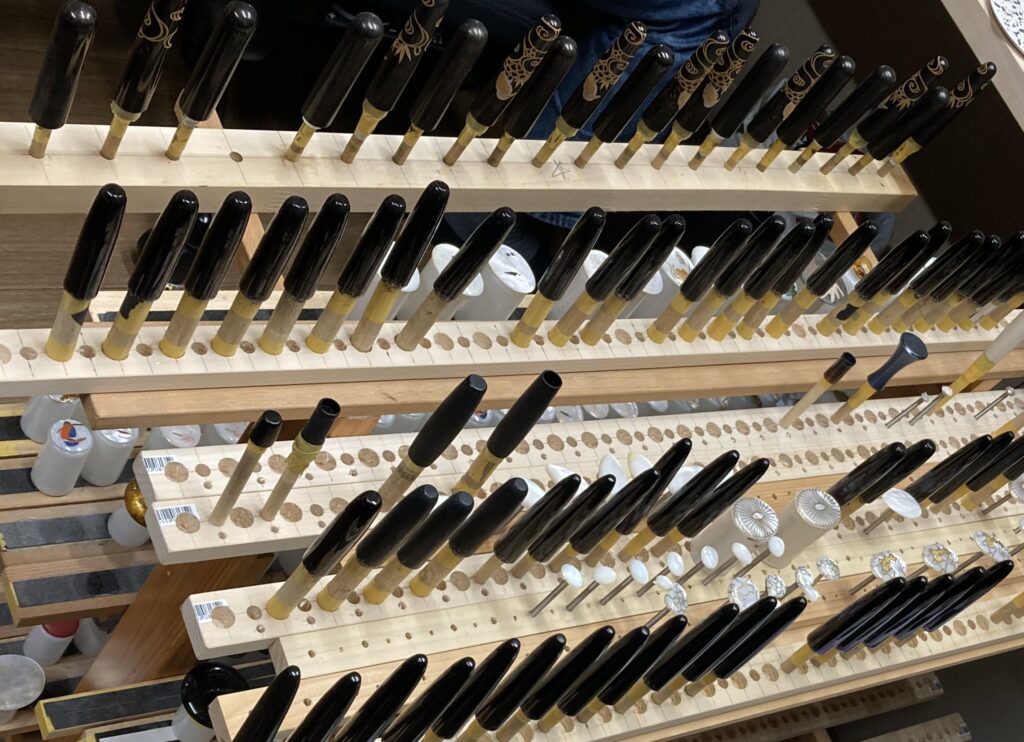
- Hand-Forged Soul: Every master woodturner is also a blacksmith. They forge their own blades to fit the unique grip of their fingers—a true symbol of the Yamanaka artisan spirit.
- Training the Next Generation: Yamanaka is home to a rare public training institute for woodturners, attracting young talent from all over Japan to become the masters of tomorrow.
- The “Kijiro” Style: Because the woodwork is so perfect, artisans developed “Kijiro-nuri”—using transparent lacquer to proudly showcase the beautiful natural grain underneath.
- Modernizing the Lacquerer’s Role: While the lacquering process was once split into three stages (base, middle, and final coats), many modern lacquerers now master all stages themselves to ensure a consistent finish.
- Respecting the Form: Yamanaka lacquerers prioritize coatings that “do not overwhelm the woodwork.” Their goal is to protect the wood while highlighting the elegant shape created by the woodturner.
- The Art of Gold (Maki-e): Maki-e artists create the “face” of the work by sprinkling gold and silver powder onto wet lacquer. These masters provide the elegance and glamour that first attracted hot-spring visitors centuries ago.
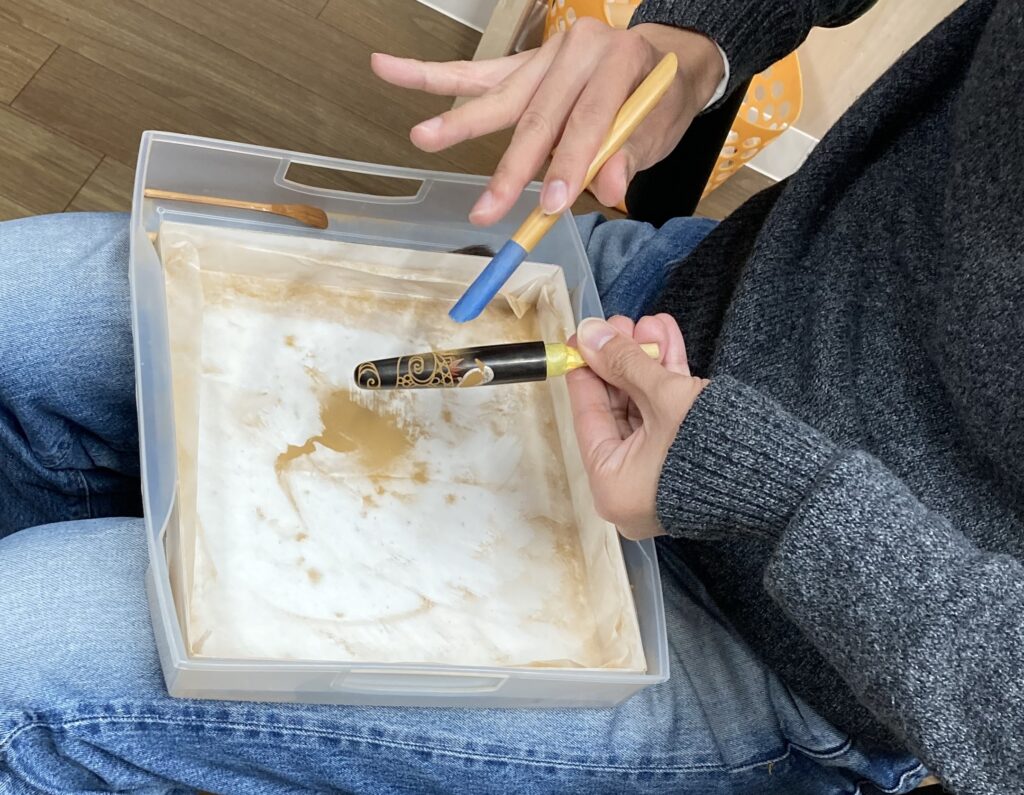
3.2 FAQ: Inside the Artisan’s Studio
Common questions from travelers curious about the lives of Japanese craftsmen.
Q1: How long does it take to become a master? A: At least 5 to 10 years of intense practice. Whether it’s woodturning or lacquering, it takes a long time for the hands to learn what the mind already knows.
Q2: Are there many young artisans? A: Surprisingly, yes! Thanks to the local training center, many artisans in their 20s and 30s are actively carrying the tradition forward.
Q3: Are there female artisans in this field? A: Absolutely. While it was traditionally male-dominated, more and more women are now leading the way in all stages of production, from woodworking to Maki-e.
Q4: How do they learn these secret skills? A: There are many paths: traditional apprenticeships, training at regional institutes, or even studying at prestigious art universities.
Q5: What is a typical day like in the studio? A: It’s a life of extreme focus. Artisans work from morning until evening, repeating the same delicate movements hundreds of times a day to perfect their muscle memory.
Q6: Why does it take so many years to learn? A: Because wood and lacquer are “living materials.” They change with the humidity and temperature. It takes years of experience to “listen” to the material and adjust your technique accordingly.
Q7: Where do they buy their tools? A: They don’t just buy them—they make them! Most woodturners forge their own chisels, and lacquerers customize their brushes to fit their hands perfectly.
Q8: Can one artisan make the whole piece from scratch? A: Rarely. The skills required for woodturning, lacquering, and Maki-e are so different and specialized that it’s almost always a team effort between different experts.
Q9: Do these artisans ever show their work in galleries? A: Yes! Many blend traditional techniques with their own artistic vision and exhibit their work as contemporary fine art.
Q10: Are they salaried employees? A: Most are independent entrepreneurs. They are paid based on the quality and quantity of the pieces they produce, truly living by their skills.
3.3 Ready to Crack a Smile?
Q1: How Many Artisans Are There in Yamanaka Lacquerware?
Numbers only tell half the story. From certified masters to the apprentices of tomorrow, the real measure of a Yamanaka artisan lies in the “thick and thin” of their lifelong dedication.
- It’s hard to give an exact number, but just under 100 artisans are officially certified as Traditional Craftsmen of Yamanaka lacquerware—a title that requires more than 12 years of experience.
- If we include younger artisans still on their way to mastery, the total easily exceeds 100.
- For such a small town, the concentration of skill is remarkable.
- Yamanaka lacquerware is famous for its thin wooden cups, so many visitors assume the woodturners focus only on thinness.
- Some even wonder whether such delicate pieces could truly be carved by human hands.
- But we local guides know the artisans feel differently.
- They don’t want thinness alone to be praised.
- They know the craft is built on both thinness and thickness—the delicate touch and the deep foundation beneath it.
- During tours, this often leads to a playful moment.
- A visitor, admiring a paper‑thin bowl, says: “You must have been through a lot to reach this level.”
- The craftsman smiles and replies: “Yes. I’ve been through thick and thin.”
- And that’s when guides quietly panic for a second—should we translate it literally, about the cup? Or metaphorically, about his life?
- Because in English, “through thick and thin” means both the struggles of the craft and the ups and downs of life.
Q2: What specifically makes the artisans of Yamanaka lacquerware so remarkable?
Is it talent, effort, or the tools they forge themselves? Let’s dive into the world of 0.1mm precision and why sometimes, the best guide is the one who knows when to stop talking.
- Not limited to Yamanaka lacquerware, artisans of traditional Japanese crafts are exceptional individuals blessed with innate dexterity and aesthetic sensitivity.
- It is not a world where effort alone guarantees success.
- For example, the training school for woodworkers—unique to Yamanaka—sometimes sees nearly half of its applicants fail the entrance exam in a given year.
- Only those who possess natural talent and the relentless drive to innovate can survive in this demanding world of craftsmanship.
- The decorative turning techniques synonymous with Yamanaka lacquerware include more than a hundred variations—a true art form born from passion and skill.
- This is no coincidence; to achieve their astonishing precision in shaving, the woodworkers forge and sharpen their own blades.
- They treat these blades as extensions of their own fingers, producing tolerances as fine as 0.1 mm.
- I was so moved by this dedication that I went through a phase of trying to “hone my own tools” as a local guide.
- Since a guide’s most essential tool is the tongue, I decided to train mine with tongue twisters.
- There is a classic tongue twister that English-speaking children inevitably try: “How much wood would a woodchuck chuck if a woodchuck could chuck wood?”
- Based on that, I created a special version for Yamanaka lacquerware guides: “How much wood would a woodturner turn if a woodturner could turn wood?”
- But I eventually gave up. I realized it was completely useless.
- Most guests who visit a workshop are so mesmerized by the divine craftsmanship before their eyes that they don’t need any explanation from me.
- In the end, my tongue was twisted, and I learned that sometimes the best thing a guide can do… is simply bite their tongue.
4. The Business of Yamanaka Lacquerware
Strategy, Survival, and the Secret of a 450-Year-Old “Start-up”
4.1 Business Model Insights
Here are the key points to understand how the Yamanaka region operates as a sophisticated industrial ecosystem.
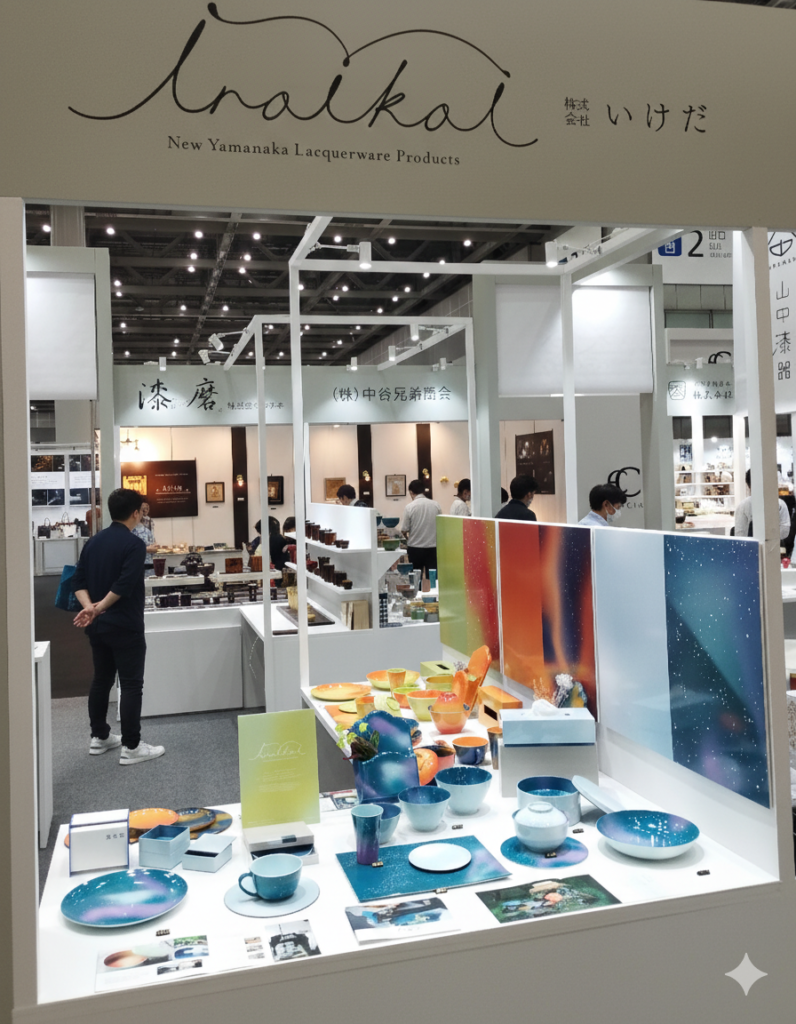
- Wholesalers as “Producers” (The Command Center): In Yamanaka, wholesalers (Tonya) act as the region’s strategists. They analyze global trends and direct which artisans create which products, functioning much like a Creative Director or a film producer for the entire craft.
- Precision through Specialization: By strictly dividing labor into woodturning, lacquering, and decoration, Yamanaka achieves a level of precision and consistency that rivals modern industrial manufacturing.
- The Three Pillars of Artistry: The industry is built on three specialized finishes: Fuki-urushi (showcasing wood grain), solid-color lacquering (classic red and black), and Maki-e (intricate gold/silver art).
- Scaling for Global Demand: Because of their standardized shapes and quality control, Yamanaka is the rare craft region that can handle high-volume, stable supplies for luxury hotels and restaurants worldwide.
- Artistic Collaboration: Woodturners also work directly with independent artists to create one-of-a-kind, experimental forms, successfully capturing the high-end art and gallery markets.
- The B2B “Engine” of Japan: Yamanaka functions as the primary B2B supplier for the entire nation. Their masters provide the raw wooden bases to almost every other famous lacquerware region in Japan.
- The Dual-Engine Strategy: Since the 1950s, Yamanaka has embraced “Modern Lacquerware” made of high-quality resin. By balancing traditional woodcraft with durable mass-production, the region has built a resilient and stable economy.
- Direct Tourism & Retail: Yamanaka leverages its status as a famous Onsen resort. Travelers can visit workshops and boutiques directly, turning a simple purchase into a branded cultural experience.
- Smart Inventory & Natural Seasoning: Artisans keep a stock of “semi-finished” rough-carved bases. This reduces financial risk, allows for fast custom orders, and gives the wood the necessary time to season and dry naturally.
- Inclusive Pricing: Yamanaka offers a highly strategic price range—from $15 everyday items to masterpieces worth thousands, ensuring Japanese craft is accessible to every type of traveler.
4.2 FAQ: The Economics of Craft
Answers for the curious traveler wanting to know how a traditional business survives in the 21st century.
Q1: What exactly is a “Tonya” wholesaler? Is it a person or a company? A: It can be both. Some are family-run businesses with centuries of history; others are modern corporations. Both are essential for connecting the artisan’s workshop to the global market.
Q2: Do artisans only make products, or do they also sell them? A: Most focus strictly on their craft, but an increasing number of modern artisans sell their work directly via galleries, department stores, or their own online shops.
Q3: What exactly is “Modern Lacquerware”? A: It refers to high-quality, lightweight resin products with a lacquer-like finish. They are designed for durability and mass-market convenience.
Q4: Is the process the same for traditional and modern versions? A: No. Traditional pieces use natural wood and Urushi (tree sap), while Modern versions use high-grade resin and industrial coatings for speed and durability.
Q5: Why did Yamanaka start making “Modern” versions? A: To adapt to the changing world! They wanted to offer products that fit the fast-paced, modern lifestyle while keeping the “Yamanaka aesthetic” alive.
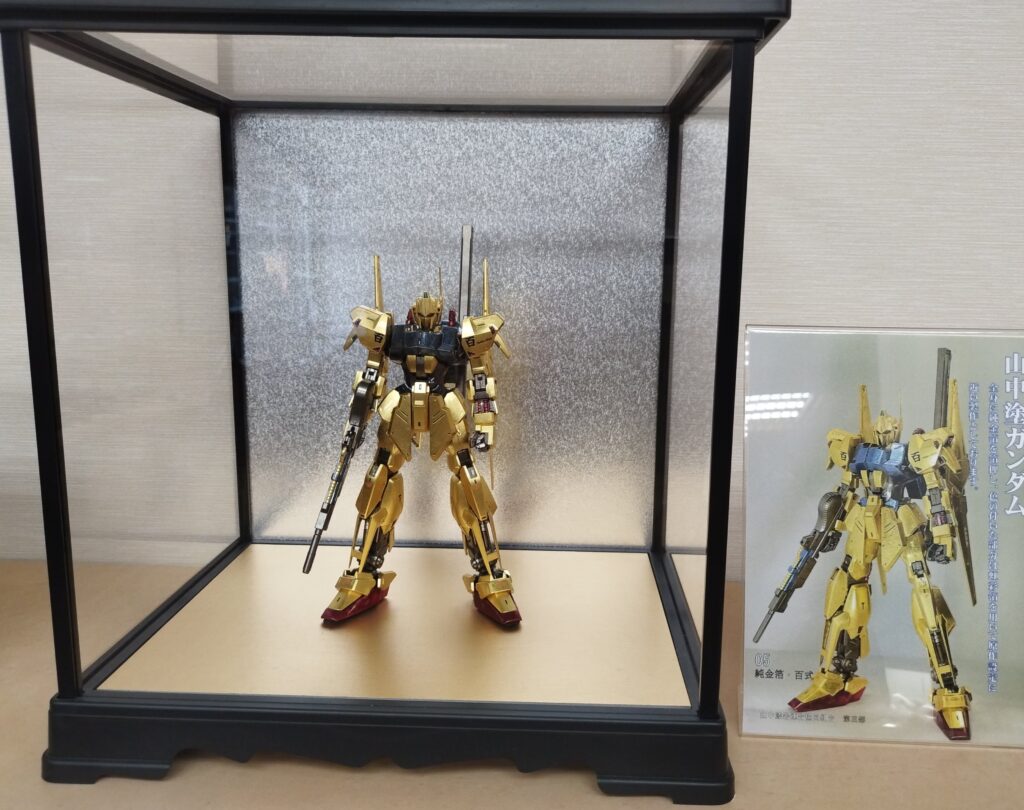
Q6: What specific modern needs do they meet? A: Ease of use. Many travelers and modern families look for items that are microwave-safe and dishwasher-friendly, which is where modern materials excel.
Q7: Is modern lacquerware considered “the real thing”? A: While different from museum-grade woodcraft, it is a vital part of modern Japanese culture. It allows people to enjoy the beauty of lacquerware in their busy daily lives.
Q8: Is Yamanaka-ware generally expensive? A: Not at all. Its beauty lies in its range. You can find a beautiful bowl for the price of a few cups of coffee, or invest in a legacy piece that will last a lifetime.
Q9: Is it only for the Japanese market? A: Definitely not. You will find Yamanaka-ware in top-tier hotels and Michelin-starred restaurants globally, valued for its durability and Japanese elegance.
Q10: How big is the industry in Yamanaka? A: With over 1,000 people involved, the region operates like a medium-sized corporation, proving that tradition can be a sustainable and thriving business.
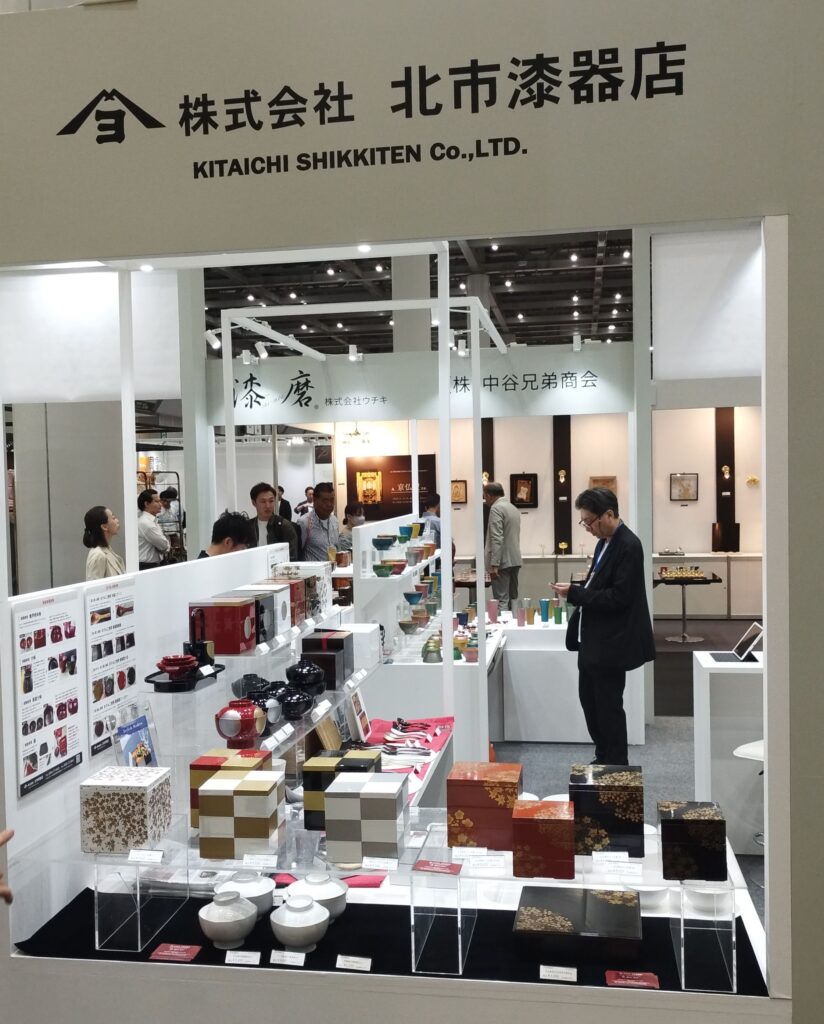
4.3 Ready to Crack a Smile?
Q1: Is Yamanaka Lacquerware doing well in business?
Beyond the art, there is a strategy. Discover the “Wholesaler System”—the invisible creative engine that has allowed this traditional craft to outsmart market trends for centuries.
- It’s difficult to know exactly how much profit is being made, but it can be considered Japan’s largest lacquerware production area.
- Many traditional crafts struggle to find their place in modern lifestyles.
- Among them, Yamanaka lacquerware has been quick to introduce modern lacquerware made with plastic materials, adapting to the needs of contemporary consumers.
- Supporting this adaptability is Yamanaka’s wholesaler system.
- While wholesalers may seem like simple distributors, those in Yamanaka are far more than transporters of goods.
- They are creative leaders who read market trends and plan and design “the vessels the market wants now.”
- In that sense, they are closer to producers or directors in music or film.
- The wholesaler system of Yamanaka lacquerware could itself be considered a form of craftsmanship.
- It hasn’t changed for centuries, since the samurai era, quietly shaping a kind of large bowl we now call Yamanaka town.
- But why a bowl rather than a vessel? Is it some iconic shape? Not exactly. Yamanaka town is more like a salad bowl—filled with a wonderful mix of talented artisans.
Q2: Why do lacquerware prices differ several times, even though they look the same?
Natural wood versus high-tech resin: the ultimate debate of soul versus convenience. Learn how to tell them apart, and why the most expensive “flowers” are sometimes the ones that breathe.
- It is because there is a difference between wooden lacquerware crafted from natural wood and modern lacquerware made through plastic molding.
- Wooden lacquerware tends to be more expensive due to the time and effort craftsmen invest in handcrafting each piece.
- Modern lacquerware, on the other hand, can be mass-produced once a mold is created, thus resulting in lower costs.
- Moreover, distinguishing between wooden and modern lacquerware by appearance alone can be challenging, as modern lacquerware is sometimes painted with patterns looking like natural wood grain.
- The demand for modern lacquerware is increasing because it can withstand microwave ovens and dishwashers, features unavailable with wooden lacquerware.
- So, why would anyone opt for wooden lacquerware, which demands considerable time and effort to maintain?
- Perhaps it could be likened to artificial flowers that closely mimic natural ones.
- Even if artificial flowers surpass natural ones in beauty, can they inspire one enough to compose a haiku, a Japanese short poem?
- Due to the advantages of natural lacquer and wood, wooden lacquerware develops a richer patina and its texture evolving over time, almost as if it were alive.
- Unfortunately, modern lifestyles often leave little room for such luxuries, and many may have to put up with artificial flowers and modern lacquerware.
- However, using expressions like “having to put up with” may sound somewhat rude. Because many opt for artificial flowers due to their convenience.
- In fact, real flowers are beautiful, but they are quite expensive for their short life, so common people cannot afford to buy them frequently.
- Particularly well-known flowers are especially expensive, and in Japan, those that are beyond one’s ability and one has no choice but to give up are called “Takane-no-hana” (“high priced flowers”).
- Yet, for someone like me, who can afford tableware only from a 100 yen store, even artificial flowers are prohibitively expensive, out of my league!
Deepen Your Journey: Recommended Resources
If this guide has sparked a deeper interest in the artistry of Yamanaka, we recommend exploring these official resources. While we’ve kept things simple for your journey, these sites offer a treasure trove of technical details and historical archives for the true connoisseur.
- Yamanaka Lacquerware Official Site (Association) The definitive guide to the region’s history, production processes, and a directory of local specialty shops. Perfect for planning your shopping route. Official Website (yamanakashikki.com)
- Yamanaka Lacquerware Industrial Technology Center A prestigious training institute dedicated to mastering the lathe and lacquering arts. If you are interested in the technical precision of “Hikimono” (woodturning), this is the best place to learn. Official Website (yamanaka696.org)
A Final Note from Your Guide
Thank you so much for journeying through the world of Yamanaka Lacquerware with me.
In Japan, we have a saying that a good vessel “breathes” with its owner. I hope that through this guide, you’ve discovered that a simple wooden bowl is not just an object, but a living piece of Japanese history that you can hold in your hands.
Whether you are looking for a masterpiece of Maki-e or a modern piece for your daily morning soup, I hope your visit to the Kaga Onsen area becomes a “once-in-a-lifetime encounter” (Ichigo-Ichie).
The artisans of Yamanaka are waiting for you, blades in hand and hearts open, ready to show you the beauty hidden within the grain of a tree.
Safe travels, and may you find the perfect “vessel” for your life.