\ 酒蔵見学ガイド全10シリーズ・現場で即使える情報をチェック /
🎯 本記事(3. 洗米・浸漬・蒸し)のトピックへジャンプ
3. 洗米・浸漬・蒸し(Washing, Soaking, and Steaming)
3-1 洗米と浸漬(Washing and Soaking)
- 目的: ここでは精米したお米を洗い、表面に残った糠(ぬか)や米くずを取り除き、その後、一定時間お水に浸ける作業をします。
- 秒単位の管理: 吸水量はその日の気温や湿度、お米の状態に合わせて秒単位で調整されます(限定吸水)。
- 吸わせた後: お米にお水を吸わせた後は、表面に残った余分な水分を切り、全体の水分を均一にします。
3-1a Washing and Soaking
- Purpose: After polishing, we wash the rice to remove any remaining bran or dust. Then, the rice is soaked in water for a precise period of time to prepare it for steaming.
- Precision Down to the Second: The soaking time is managed using stopwatches—sometimes down to the exact second. This ensures the rice absorbs the perfect amount of moisture, adjusted for the day’s temperature and humidity.
- After Soaking: Once the rice has reached the target moisture level, we drain the excess water to ensure the hydration is perfectly even across every grain before it moves to the steamer.
3-2 蒸し(Steaming with the Koshiki)
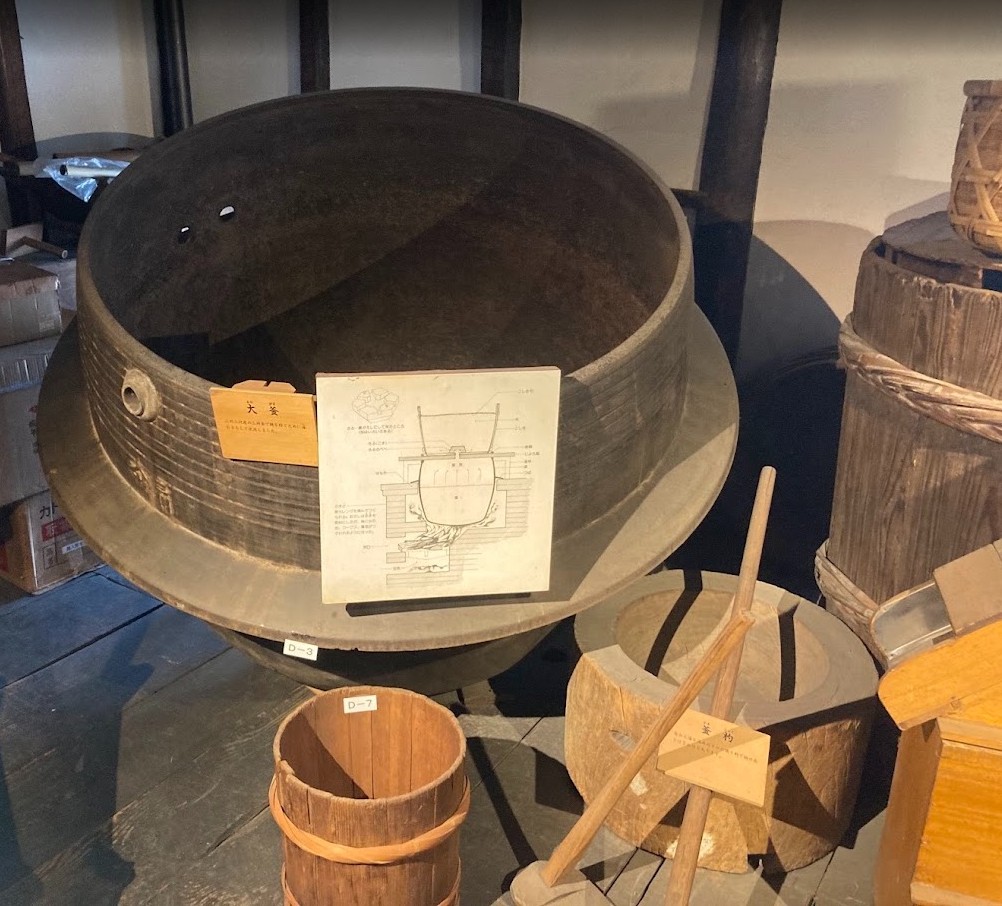
- 甑(こしき)の使用: 炊くのではなく、蒸気で蒸し上げます。家庭で食べるご飯とは異なり、醸造用米は「甑(こしき)」と呼ばれる大きな釜で蒸されます。蒸し上がったお米は、用途(麹用や仕込み用)に合わせて最適な温度まで冷まします。
- 理想の硬さ: 目標とする食感は「外硬内軟(がいこうないなん)」と呼ばれるものです。表面はベタつかず、中は柔らかい状態。この独特の食感は、次の工程である「麹造り」において極めて重要です。
3-2a. Steaming with the Koshiki
- Using a Koshiki: Steaming, Not Boiling. Unlike the rice we eat at home, brewing rice is steamed in a large vat called a Koshiki. Once steamed, the rice is cooled down to the optimal temperature depending on its next use (either for Koji making or for the fermentation tank).
- The Ideal Texture: The goal is a texture called Gaikou-Nainan—“firm on the outside and soft on the inside.” This specific texture is crucial for the next step: Koji making.
3-3 補足表現(必要に合わせて)
- 「磨き」のレベル(Levels of Polishing):「パーセンテージが低いほど(例:35%)、米はより高度に精米されており、通常は大吟醸のように、より清らかで芳醇な香りを生み出します。」
3-3a. Supplementary expressions (as needed)
- (Levels of Polishing)“A lower percentage (e.g., 35%) means the rice has been polished more extensively, typically resulting in a cleaner, more aromatic fragrance, such as in Daiginjo.”
📘 Glossary / 用語集
- 💧 Washing & Soaking / 洗米と浸漬
- Purpose(目的)– 精米後のお米を洗い、糠(ぬか)や米くずを取り除く。– その後、一定時間水に浸けて吸水させ、蒸し工程に備える。
- Precision Down to the Second(秒単位の管理)– 吸水時間は気温・湿度・米の状態に合わせて秒単位で調整。– この「限定吸水」が酒質を大きく左右する。
- After Soaking(吸わせた後)– 目標の吸水率に達したら、余分な水分を切る。– 全ての米粒の水分を均一にすることで、蒸しの仕上がりが安定する。
- 🌫 Steaming with the Koshiki / 甑(こしき)による蒸し
- Using a Koshiki(甑の使用)– 家庭の炊飯とは異なり、酒造りでは「炊く」のではなく「蒸す」。– 大きな甑(こしき)で蒸気を使ってふっくらと蒸し上げる。– 蒸し上がった米は、麹用・仕込み用など用途に合わせて適温まで冷却する。
- Ideal Texture: Gaikou-Nainan(理想の硬さ:外硬内軟)– 表面は硬くベタつかず、中は柔らかい状態が理想。– この独特の食感が、麹菌の繁殖や発酵の進み方に大きく影響する。– 麹造りの成功を左右する極めて重要なポイント。
- 📝 Supplementary Notes / 補足表現
- Levels of Polishing(磨きのレベル)– 精米歩合が低い(例:35%)ほど、米が高度に磨かれている。– より清らかで芳醇な香りが生まれ、大吟醸のようなエレガントな酒質になりやすい。
御礼🔶あとがき

🛠️ Takumi(匠)
最後までお読みいただきありがとうございます!本シリーズへのご感想や、現場でのガイド解説に関するご相談などがありましたら、下記よりお気軽にご連絡ください。