商談相手とハイヤーで移動中… ネットで見た「『風の盆』って一体何?」と聞かれたら?

こんにちは!峰です❤ 今日は越中八尾(富山)『風の盆』についてご案内します。「昔からある踊りです」と答えるだけでは、ゲストの心は動きません。 移動中のわずかな時間で、相手の感性に響き「ぜひ一度行ってみたい!」と言わせるための、5つの視点(食べ物・アート・建築・ファッション・日本人)を揃えました。
ゲストの関心に合わせて30秒でネタを仕込む!
【一言で腑に落ちる】王道&変化球
【インバウンド5大関心別】さらに一歩踏み込む(フォローセリフ)
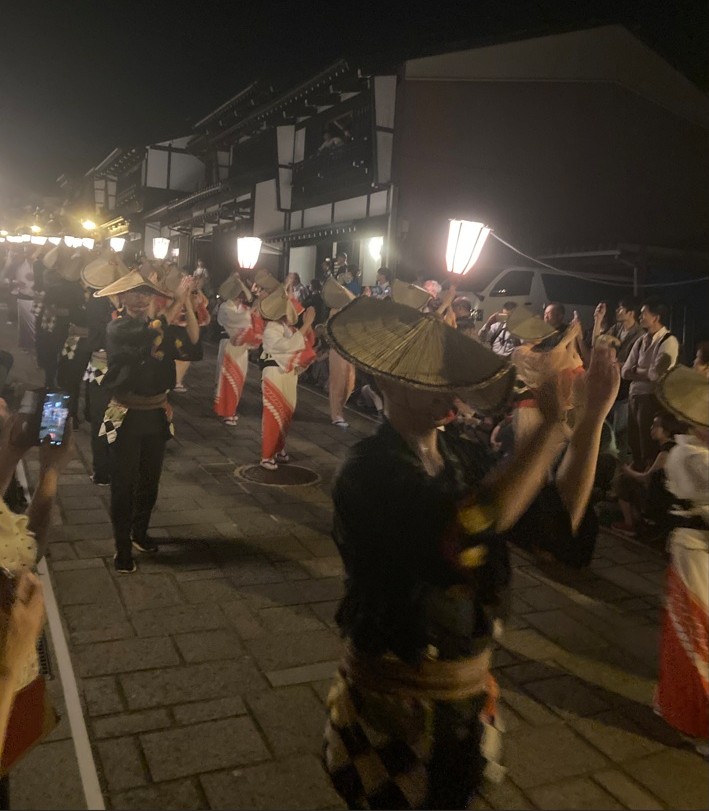
🎧タイトル画像の風の盆のリアル音声です。(約3分ありますので、お急ぎの方は最後の20秒辺りまで再生マーク●を移動して幽玄な雰囲気をご賞味ください。❤)
1. この一言で腑に落ちる?
このパートのいずれかのワンフレーズでご納得いただけたらラッキーですね。もしだめなようでしたら、次のパートもお試しください。いつも通り、日本語で言えないことは英語でも言えませんので、日本語>英語順でご紹介します。
1.1 非現実的で夢のような体験?
「おわら風の盆」は、豊作を祈る踊りとして生まれましたが、今ではその静かな気配と洗練された美しさで、他にない特別な体験を生み出します。夕暮れから夜明けまで、編み笠で顔を隠した踊り手たちが、古い町並みをゆっくりと進みながら踊ります。灯りと影が揺れる坂の町が、まるで別世界のように変わり、旅が終わっても心に残る“夢のような一夜”になります。
Owara Kaze no Bon is counted among Japan’s traditional rural dances to pray for a bountiful harvest, yet its sophistication and melancholic beauty make it completely unrivaled. From dusk until dawn, young townspeople wearing woven hats to conceal their faces dance through the historic streets, transforming this mountain town into a floating realm of lights and shadows. It offers a surreal, dreamlike experience that stays with you long after your journey ends.
1.2 歌舞伎を観に行くような踊り?
「風の盆」は、ただの民俗舞踊ではなく、美しさを追い求めて磨かれてきた“洗練された芸能”です。 雰囲気としては、歌舞伎を観に行くような感覚に近いのですが、決定的に違うのは——舞台が存在しないこと。八尾の古い町並みそのものが舞台になり、編み笠をかぶった踊り手たちが、静かに、滑らかに通りを進んでいきます。 観客はすぐ目の前でその動きを味わうことができ、まさに“生きた芸術”を体験することになります。日本の伝統芸能が好きな方なら、必ず心に残る特別な一夜になります。
The Kaze no Bon is not merely a traditional dance; it is a refined street performance that has evolved through an endless pursuit of beauty. Much like attending a Kabuki performance, spectators gather to appreciate this living art form set against the atmospheric backdrop of Yatsuo, a scenic hill town. Yet unlike Kabuki, there is no physical stage—the historic streets themselves become the stage, allowing you to witness the seamless, elegant movements of hundreds of dancers right before your eyes. For anyone captivated by Japanese traditional performing arts, it is an experience not to be missed.
2.次の補足でご納得?
残念ながら前パートで外した場合のフォローセリフ、いつも通りインバウンド視点を踏まえ関心別に置いてみました。色々な表現を織り込むため、全体的にかなり長くなっていますが、お気に入りのフレーズあれば現場でも試してみる、そんな軽いノリでご利用ください。
2.1 建築(匠:たくみ)系
👉他に類を見ない建築景観?
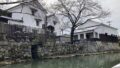
『風の盆』の舞台となる八尾は、急な斜面と高い石垣が連なる、全国でも珍しい町です。 江戸時代、地元の商人たちが川沿いの段丘に大きな石垣を築き、家を建てるための平地をつくりました。その結果、八尾は“山の斜面に浮かぶ町”のような独特の姿になり、石畳の通りや木の格子戸、古い蔵が今も残っています。 建築や町並みに興味がある方なら、歩くだけで心が躍る景観です。
The town of Yatsuo, the setting for Kaze no Bon, is defined by its steep slopes and imposing stone retaining walls, creating a dramatic landscape unlike anywhere else in Japan. During the Edo period, local merchants built massive stone walls along the river terraces to secure flat ground for their town. This unique topography gives Yatsuo the feel of a “town floating on the hillside,” tucked away from the rest of the world. With its cobbled streets, traditional wooden lattice doors, and historic storehouses, Yatsuo’s urban design is a fascinating must‑see for architecture enthusiasts.
2.2 ファッション系
👉究極の機能美と様式の統一性?
「風の盆」は、踊りだけでなく“衣装の美しさ”でも楽しめる祭りです。 11の地区すべてが藍を基調とした浴衣を着ていますが、模様や配色、帯の結び方にはそれぞれ個性があります。さらに、踊り手の顔を隠す深い葦の笠(すががさ)が、この祭りならではの静けさと匿名性を生み出し、衣装の美しさをいっそう引き立てて、静かな神秘的な雰囲気を醸し出しています。
“Kaze no Bon” is not only a display of elegant dance but can also be appreciated as a kind of street fashion show, highlighting the beautifully refined costume designs of the dancers and the distinct identities of each neighbourhood. It represents the ultimate blend of functional beauty and stylistic unity: while all eleven districts wear indigo‑based yukata, their intricate patterns, colour schemes, and obi designs each reveal unique character. The aesthetic is further elevated by deep sedge hats (sugagasa) that conceal the dancers’ faces, creating a quiet sense of mystery unique to this event.
2.3 アート系
👉見る人の芸術的センスがわかる踊り?
「风の盆」が深い芸術性をもつ踊りであることは、見ればすぐにわかります。 ただ、最初から今のように洗練されていたわけではありません。20世紀初頭、その素朴な美しさに心を奪われた伝統芸能の名人たちが、現在の優雅な芸術形式へと磨き上げました。そして、この踊りは決して“過去の遺産”ではありません。 地元の人々は、この3日間のために絶えず練習を重ね、技を磨き、今も進化し続けています。静かな町並みの奥で脈打つ、この情熱的な芸術の気配を感じ取れたなら—— あなたはきっと、優れた芸術的センスの持ち主です。
Most people can tell at a glance that Kaze no Bon is a dance imbued with profound artistic merit. However, it was not always so refined; in the early 20th century, masters of traditional performing arts, captivated by its raw beauty, helped shape it into the elegant art form we see today. Moreover, it is not a static relic. Local residents practice tirelessly, honing their technique and continually evolving just for these three magical days of dancing. If you can sense this passionate artistic spirit pulsing beneath the quiet, traditional townscape, you certainly possess a true artistic eye.
2.4 フード系
👉目と舌の両方で魅力を堪能?
食にこだわる方にとって、八尾は清らかな山の水と長い伝統が育んだ、魅力ある食文化の町です。 手打ちそばは、地元で使われるそば粉と湧き水のおかげで、素朴で力強い風味が楽しめます。そして、同じく人気なのが「おわらせんべい」。 風の盆の踊り手の優雅な姿が型押しされたサクッとした煎餅で、 八尾の魅力を“目と舌の両方”で味わうことができます。
For food enthusiasts, Yatsuo offers a delightful culinary heritage shaped by its pristine mountain water and long-standing traditions. The town is renowned for its hand-rolled soba, made with locally sourced buckwheat and pure spring water, giving the noodles a rich, rustic flavor. Equally charming are the crisp, traditional Owara crackers—stamped with the elegant silhouettes of Kaze-no-Bon dancers—allowing you to savor the spirit of Yatsuo with both your eyes and your palate.
2.5 日本人系
👉踊りでわかる日本人共通の美学?
『風の盆』を観ると、日本文化にある“控えめな美意識”が、直感的に伝わってきます。 なぜこの踊りは、ほとんどの祭りのように賑やかで華やかではなく、こんなにも静かなのでしょうか。 なぜ誰でも参加できる踊りではなく、顔を隠し、動きを抑えた、地元の人だけに許された儀式になっているのでしょうか。哀愁のある音色で知られる伝統楽器・胡弓を奏でる音楽家でさえ、控えめに演奏するよう教えられ、その音は夜の闇に溶けていきます。そこには、茶道にも通じる「簡素さ」と「静けさ」を尊ぶ、日本人に深く根付いた美学が表れています。
Watching Kaze no Bon offers a profound, visceral insight into the understated soul of Japanese culture. Why is this dance so quiet, rather than the lively, high‑energy spectacle seen at most festivals? Why is it not an open dance where anyone can join, but a ritual reserved exclusively for local townspeople—their faces concealed, their movements masterfully restrained? Even the musicians playing the kokyu, a traditional instrument known for its poignant, sorrowful voice, are taught to play with absolute modesty, letting their music blend seamlessly into the night. It reveals a deeply rooted Japanese aesthetic—the profound appreciation for simplicity and quietness, shared with the Japanese tea ceremony.
御礼&後書き
👆 今回も最後までお読みいただき、ありがとうございます。 本ブログに関するご意見やご要望がございましたら、下記より、お気軽にお声がけくださいね。