Introduction
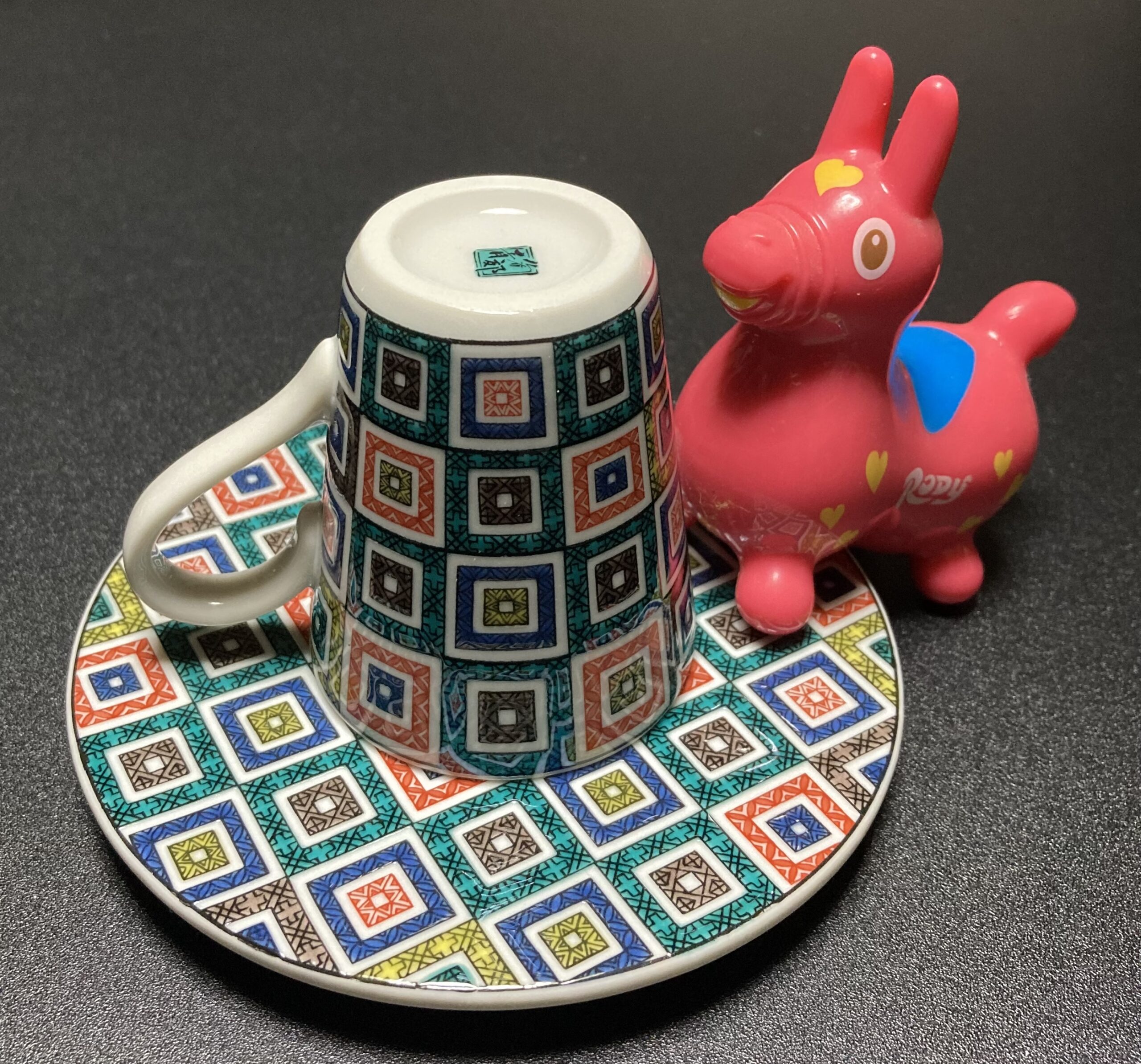
Are you staying in the Kaga Onsen area tonight and looking for a way to bring a piece of Japan home? Look no further than Kutani Ware (Kutani-yaki)—a legendary porcelain tradition that turns everyday dishes into explosive works of art.
If you think Japanese ceramics are only about subtle earth tones, Kutani will change your mind instantly. Famous for its brilliant “five-color” palette and intricate hand-painting, this 350-year-old craft is a feast for the eyes.
This guide will help you understand the magic behind the colors, learn key phrases to spot a masterpiece, and give you the confidence to bring a gorgeous piece of Kutani back to your table.
0. What’s in This Guide?
- Essential Vocabulary: From “Casual” to “Expert” terms to help you shop like a pro.
- The Kutani Difference: Why these pieces are called the “explosive” art of porcelain.
- Q&A for Travelers: Is it microwave-safe? How can I identify the style?
- Ready to Crack a Smile?: Entertaining stories and insider trivia to share over dinner.
1. Essential Vocabulary: Master the Colors of Kutani
To help you appreciate the art and find your perfect piece, here are the keywords categorized by your level of interest.
1.1 For Casual Admirers (Vibrant & Gorgeous)
- Colorful / Vibrant (Irodori): The first thing you’ll notice. Kutani is famous for its fearless use of multiple colors.
- Five Colors (Gosai): The traditional palette of red, yellow, green, purple, and navy blue.
- Elegant / Gorgeous (Hanayaka): The feeling these ornate designs bring to a dining table.
- Hand-painted (Etsuke): Every delicate pattern is meticulously drawn by a human hand, not a machine.
- Porcelain (Jiki): Unlike earthy pottery, Kutani is smooth, hard, white, and refined.
- Traditional: A classic style with over 350 years of history.
1.2 For Culture Lovers (The Artisan’s Styles)
- Ko-Kutani (Old Kutani): The original, bold, and dynamic style from the early Edo period.
- Overglaze Painting (Uwaetsuke): The core technique of painting colors on top of the glaze and firing the piece a second time to lock in the brilliant hues.
- Gosai-de Style: A design primarily composed of the traditional five colors.
- Aka-e (Red Painting): Intricate designs drawn entirely with fine red lines, often paired with gold.
- Kinran-de (Gold Brocade Style): A lavish style using gold leaf and powder for a dazzling, luxurious finish.
- Pottery Studio / Kiln (Kamamoto): The creative hub where artisans produce these masterpieces.

1.3 For the Connoisseur (Ready to Purchase)
- “Mori” (Thick Painting): A technique of applying thick layers of pigment to create a stunning 3D texture you can feel.
- Kannyu (Craquelure): Fine, intentional cracks in the glaze that act as a beautiful decorative element.
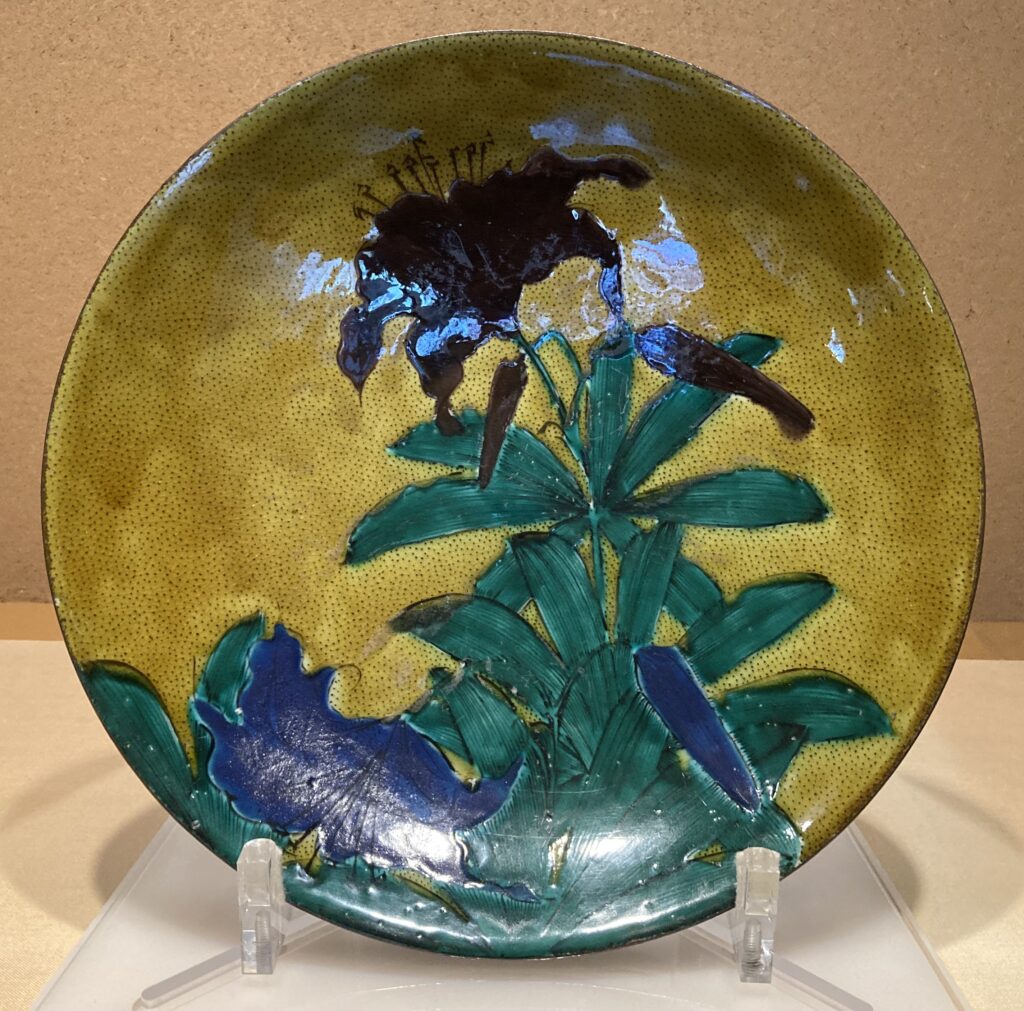
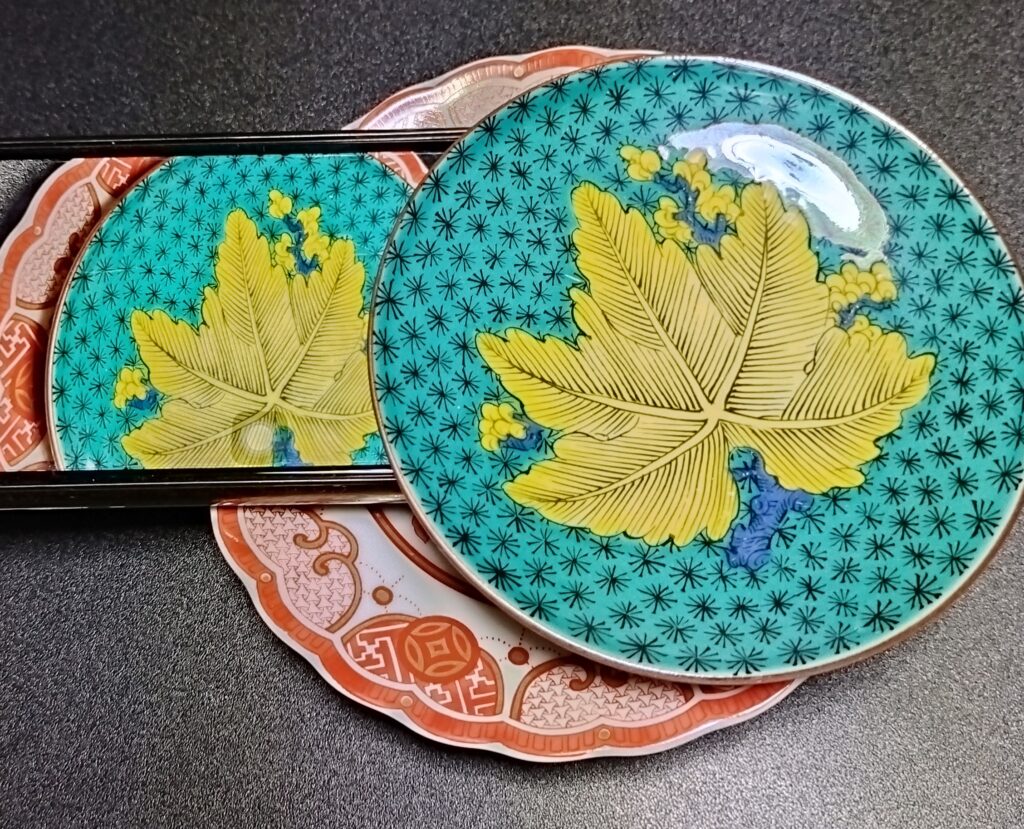
- Ao-Kutani (Green Kutani): A bold style characterized by the intense use of green to fill the entire surface of the piece.
- Hanazume (Flower Filling): A meticulous technique of filling the entire surface with tiny, detailed floral patterns.
- Microwave / Dishwasher Safety: Crucial info: pieces with gold or silver accents are not microwave-safe!
2. Kutani Ware: An Overview
2.1 Ten Key Facts About Kutani Ware
Here are the essential points to know about this vibrant porcelain tradition.
- Samurai Origins: Kutani was founded by a samurai lord in Kanazawa in the 17th century to boost the local economy, taking inspiration from the famous Arita/Imari wares that were popular in Europe.
- Luxurious Artistry: The lord’s lavish taste for art defined the brand. Kutani differentiates itself with vivid colors, intricate designs, and bold patterns unmatched by other Japanese porcelains.
- A Mysterious History: After a few decades, the kilns were suddenly closed by the local government for unknown reasons. They remained dormant for over a hundred years before being restarted.
- A Global Comeback: In the 19th century, as if to make up for lost time, Kutani exploded in popularity overseas with stunning new styles and picturesque, glamorous techniques.
- Re-established Diversity: The variety of patterns is the result of a quest to restore the original 17th-century designs (“Old Kutani”) and add new, modern flair to them (“Reconstructed Kutani”).
- The “Five Colors” Palette: The hallmark of Kutani is the use of five vivid, primary-like colors: red, yellow, green, purple, and dark blue. This style established Kutani as the “impressionist painting” of Japanese ceramics.
- Division of Labor: To meet modern demand, production is highly specialized. Artisans focus entirely on their specific role, usually dividing the work between base making and delicate painting.
- Art for Table or Display: Originally meant for daily use, Kutani is now prized as fine ornamental art. Many shoppers find the high-quality pieces quite intimidating to purchase for casual use.
- More Than Just Tableware: Due to its fame and gorgeous designs, Kutani now covers a diverse range of products, including figurines, interior decor, and fashion accessories.
- A Range for Every Budget: You can enjoy Kutani’s beauty at any price point—from masterpiece antique pots worth thousands to small, handmade chopstick rests for just a few hundred yen. Just be aware that the bright designs may not suit everyone’s taste for gifts.

2.2 FAQ: The Traveler’s Perspective
Here are the answers to common questions you might have while looking at Kutani ware, whether online or in person.
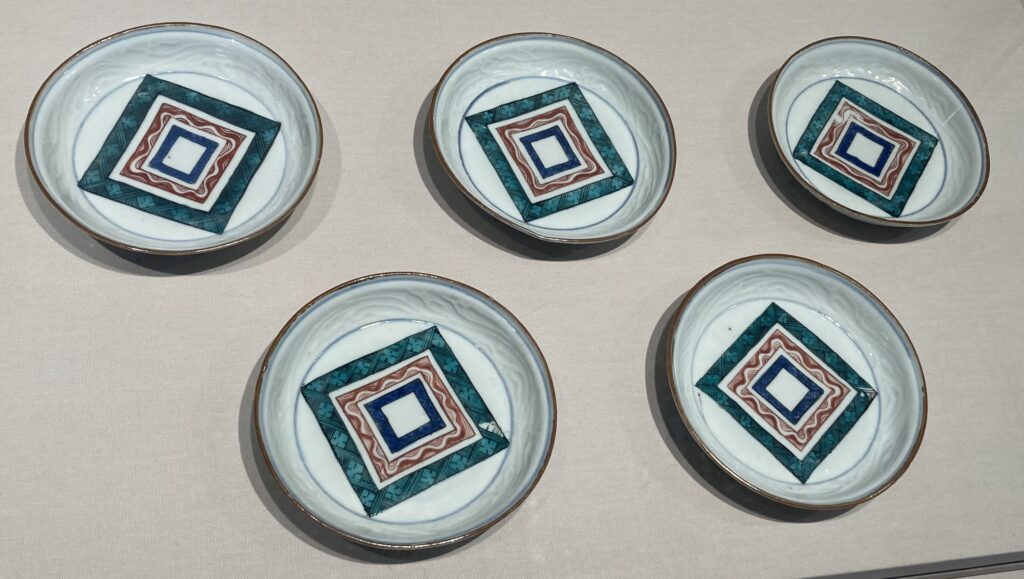
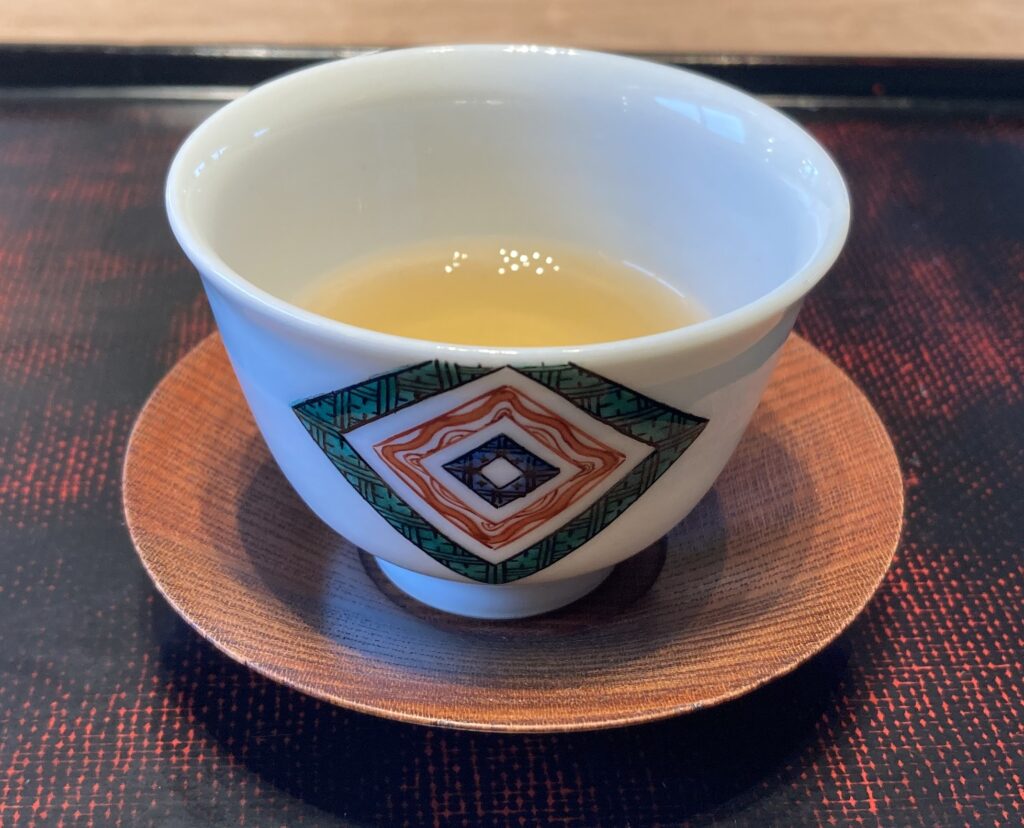
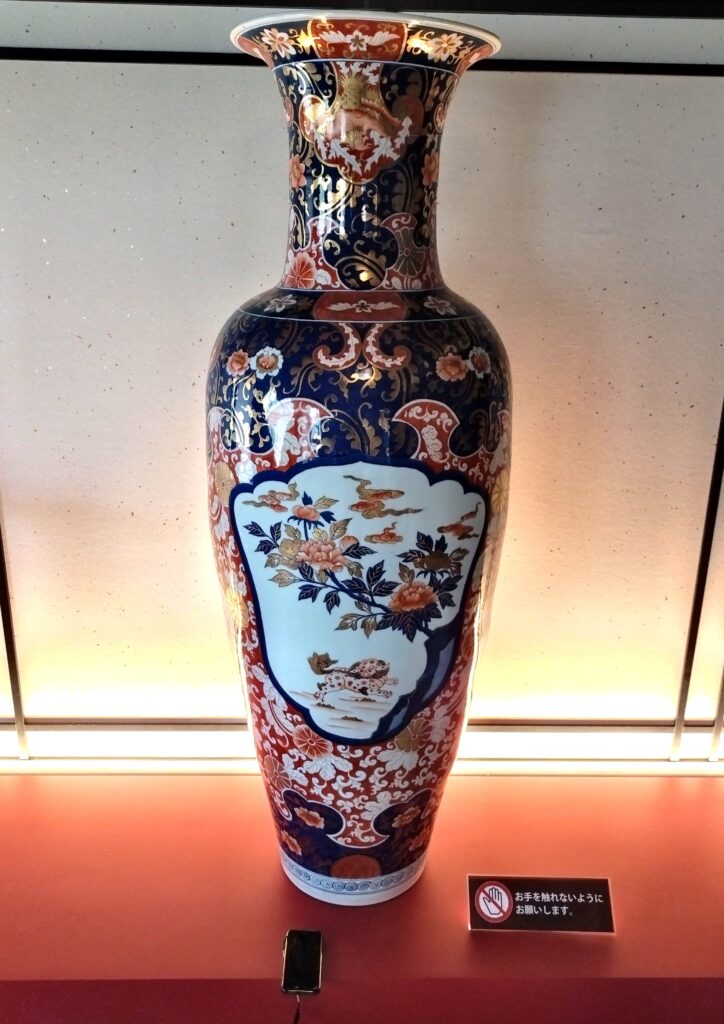
1. What is Kutaniyaki, to begin with? Kutaniyaki porcelain was born deep in the mountains of Kutani during the Samurai period and is popular both in Japan and abroad for its vivid, flamboyant designs.
2. What distinguishes Kutaniyaki from other Japanese tableware? While most Japanese ceramics are simple and monochromatic, Kutaniyaki has many bold and colorful designs that resemble paintings.
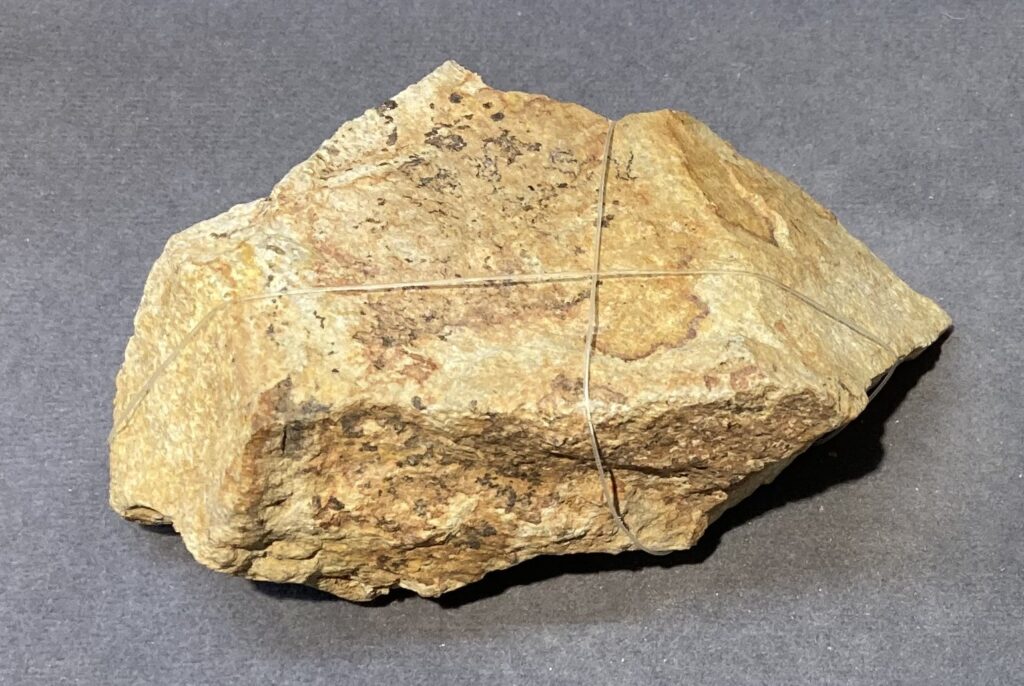
3. How is Kutaniyaki made? Clay made from locally produced and crushed pottery stones is molded, painted with bright colors, and fired in a kiln to give it strength and luster.
4. When was Kutaniyaki introduced, for what purpose, and who used it? Kutani ware was created in the 1600s as a brand of pottery for the lord’s family of Kanazawa to rebuild their finances and was mainly exported to Europe for use by the wealthy.
5. What are the differences between porcelain and ceramics like Kutaniyaki? Ceramics are classified into pottery and porcelain, such as Kutaniyaki. Porcelain, which contains glass, is harder and thinner than pottery and is chosen based on taste and purpose.
6. Is Kutaniyaki sold in mass merchandisers around town? Kutaniyaki is mainly sold in specialty stores and galleries, not in general mass merchandisers, but it is now commonly available in online stores.
7. How much does one piece usually cost? Prices vary by size and design, but on average, except for more artistically oriented and expensive items, they sell for anywhere from $50 to several hundred dollars.
8. Can Kutaniyaki be used in a microwave? Is it safe to wash it in a dishwasher? Although porcelain is heat-resistant, its design and color can be easily damaged. It’s best to avoid using microwave ovens and dishwashers unless clearly marked as safe.
9. Is porcelain like Kutaniyaki used in everyday life? Although some people use Kutaniyaki for everyday purposes, it is often reserved for special occasions and guests, as it is considered high-class tableware.
10. Why is Kutaniyaki so expensive? Kutani-yaki is often said to be expensive because it is handmade by artisans, with each piece being unique and featuring detailed, colorful designs.
2.3 Funny Backstories: The Local Guide’s Perspective
Q1: What do you recommend when it comes to Kutani ware?
A serious look at diversity, followed by a questionable comparison to Japanese street food.
- As with anything, when it comes to Kutani ware, the choices are vast, so it’s important to consider your own objectives and budget.
- Kutani ware is a well-known brand, making it a popular choice for gift-giving, but it’s also often selected for personal collections or as a reward for oneself.
- Budgets range from high-end, furniture-level expensive items to affordable accessories and chopstick rests that students can purchase with their allowance.
- The greatest feature of Kutani-yaki is its unique colors and designs, making it suitable not only for tableware but also for a wide variety of interior purposes.
- Many people, in particular, display them in entryways and parlors for decoration, even though they were originally intended for dining.
- Some experts believe that the essence of Kutani-yaki lies in its ever-evolving diversity, suggesting it can no longer be confined to just tableware and decorative objects.
- This diversity can be considered the greatest appeal of Kutani-yaki, but when it breaks free from its traditional image, it may feel paradoxical, as if it’s no longer truly Kutani-yaki.
- That reminds me, a friend of mine once said that Kutani-yaki is kind of like takoyaki in a way.
- According to him, takoyaki is becoming popular overseas, with menus now featuring a variety of ingredients.
- Especially recently, with the growing number of vegans, people are replacing the octopus in takoyaki with vegetables and fermented foods.
- They still call it takoyaki, even without the octopus, just like they call it Kutani-yaki even when it’s completely different from the traditional style.
- The strength of the basic concept remains the same in both cases, allowing them to withstand any changes.
- However, it might be considered inappropriate to compare an artistic vessel like Kutani-yaki to a casual food item like takoyaki.
- Such a comparison seems unsophisticated and lacking in taste to my sensitive and artistic sense.
- First of all, takoyaki is soft, while Kutani-yaki is porcelain and therefore hard. Don’t you think that’s a significant difference?
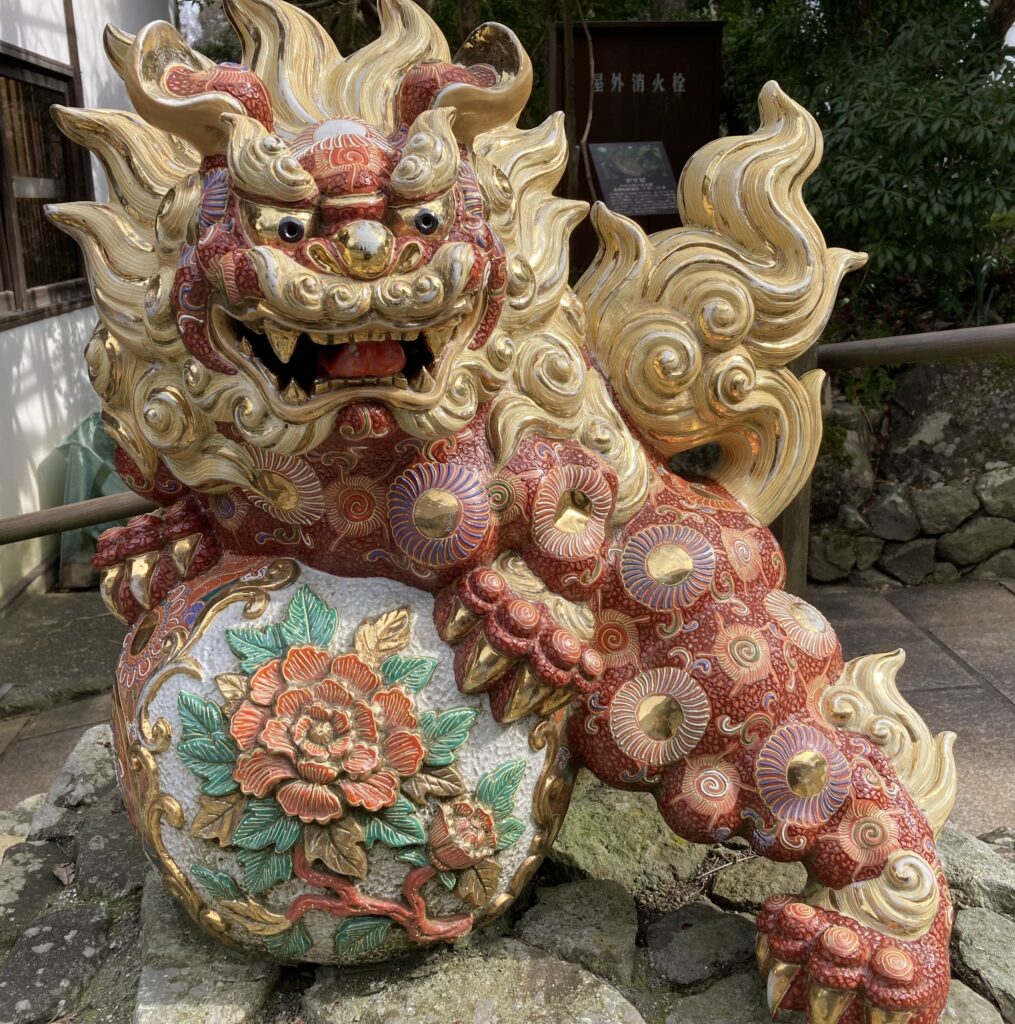
Q2: Why are there so many cat figurines in Kutani shops?
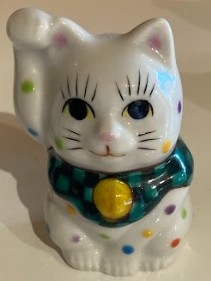
The cultural significance of the “Beckoning Cat” (Maneki-neko) and the risks of being too greedy.
In Japanese, when someone wholeheartedly accepts something, we say they do it “with both hands raised.” In other words, people are literally raising both hands to buy a cat that raises both hands!
In Japan, the culture of the Beckoning Cat as a lucky charm has existed since the samurai era.
Not only Kutani ware figurines—once you start looking, you’ll notice maneki‑neko everywhere: temples, shrines, storefronts, shopping malls, you name it.
Kutani ware is especially known for its bold colors and diverse designs, so its maneki‑neko come in many styles.
People often choose one that matches their taste or the kind of luck they want.
Traditionally, there are two main types: a cat raising its right paw and one raising its left. A raised right paw is said to attract money and wealth, while a raised left paw invites customers and people.
Foreign guests sometimes ask me, “So what happens if the cat raises both paws?”
I usually explain that such cats do exist—some craft shops, including Kutani stores, do sell them—because you could interpret it as inviting both money and customers.
However, some people feel that asking for everything at once looks a bit greedy, so the double‑paw pose never became the mainstream style.
Interestingly, in Japan, raising both hands traditionally means “I give up!” or “I surrender!”, sometimes even associated with bankruptcy—the exact opposite of business success.
And yet, some people love the Kutani ware double‑paw cats.
I’m never sure whether they’re devoted cat lovers or devoted Kutani lovers.
3. Artisans & Techniques: The Masters of Color
Meet the craftspeople who transform humble clay into a dazzling jewel.
3.1 Key Insights into Kutani Craftsmanship
Here are the essential points to understand the skills that define Kutani ware.
- Strict Division of Labor: Kutani ware has flourished through a strict division of labor between the “Kijishi” (potters who shape the clay) and the “Etsukeshi” (painters who apply the designs).
- The Hall of Overglaze Painting: The stars of Kutani craftsmanship are the overglaze painters. They create intricate worlds using colored enamels on top of white porcelain that has already been fired once.
- Mastery of the Brush: Artisans skillfully use various fine brushes, controlling everything from lines as thin as a strand of hair to bold, broad strokes.
- The “Mori” 3D Technique: A unique technique involves applying thick layers of enamel to create a raised texture. The artisan’s intuitive sense for the amount of pigment on the brush tip creates a jewel-like, three-dimensional finish.
- Sensitivity to the Five Colors: Artisans mix the five traditional colors (red, yellow, green, purple, and navy) based on years of experience, predicting how the colors will transform after firing.
- The Splendor of “Kinran-de”: Specialists in gold leaf and powder add the final touches of gold, completing the lavish and gorgeous look characteristic of the Kaga domain’s heritage.
- Diversity in Shaping: Beyond the potter’s wheel, artisans possess high-level expertise in techniques like “Katauchi,” where molds are used to create complex and non-circular shapes.
- The Art of Kiln Firing: The “Kiln Master” manages the firing temperature with split-second precision, which ultimately determines the final vibrancy and clarity of the colors.
- Apprenticeship and Modern Training: In addition to traditional apprenticeships, Ishikawa Prefecture hosts public research institutes specialized in ceramic arts, nurturing the next generation of young creators.
- Emphasis on Individual Artistry: While mass-produced in teams, Kutani ware also has a strong culture of individual “Artists” who oversee or execute the entire process to reach higher levels of artistic expression.

3.2 FAQ: Inside the Artisan’s Studio
Common questions from travelers curious about the lives of Japanese craftsmen.
Q1: How long does it take to become a Kutani ware artisan? A: It usually takes around ten years to master the basic techniques. And for painters, refining their brushwork is truly a lifelong journey.
Q2: Are there young artisans in the Kutani world? A: Absolutely. Many young people in their 20s and 30s study at the Kutani Technical Training Institute and bring fresh ideas into the craft.
Q3: Are there female artisans as well? A: Yes, quite a lot. Especially in overglaze painting, women have played a major role for generations and continue to be very active today.
Q4: How do artisans learn their skills? A: Some study at training schools, others apprentice under established masters, and some inherit their family workshop. There’s no single path.
Q5: What does a typical day look like for an artisan? A: For painters, it’s hours of sitting at the worktable, drawing delicate patterns with ultra‑fine brushes. It requires intense focus.
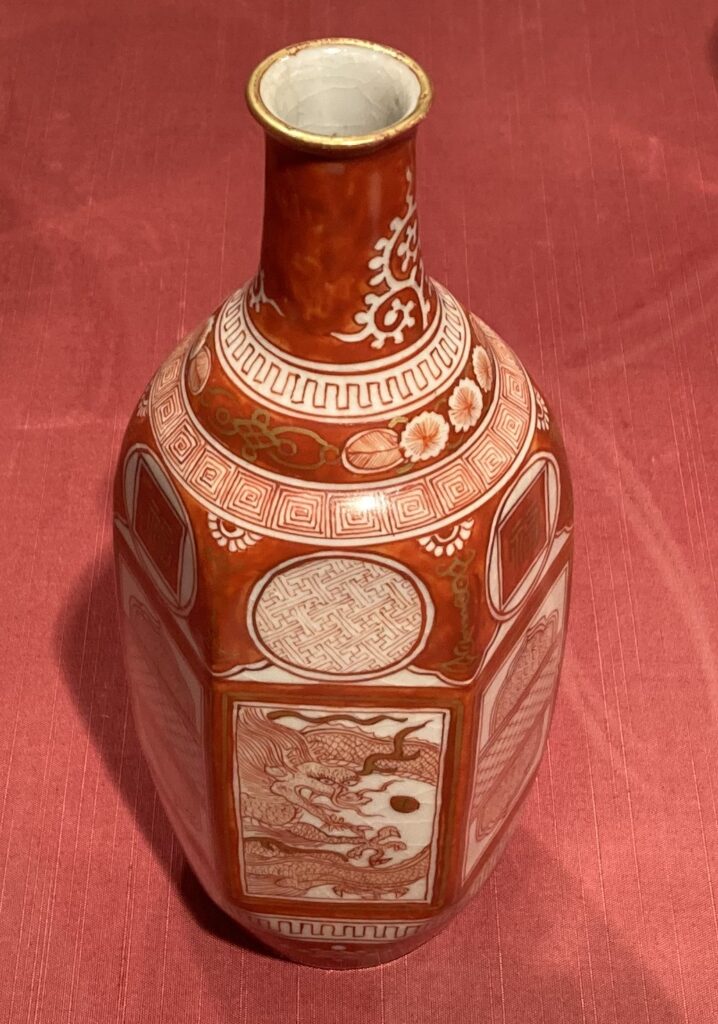
Q6: Can one artisan make everything from start to finish? A: Traditionally, Kutani ware is made through a division of labor, but more artists today choose to create the entire piece themselves to express their own style.
Q7: Who uses the kiln—the clay artisan or the painter? A: Both do, but in different ways. Clay artisans fire the base pieces, while painters use a lower‑temperature kiln for overglaze colors. Some painters fire their own work, others leave it to the kiln studio.
Q8: How do artisans sell their work? A: Through galleries, department stores, online shops, crowdfunding, and even international exhibitions. Sales channels have become very diverse.
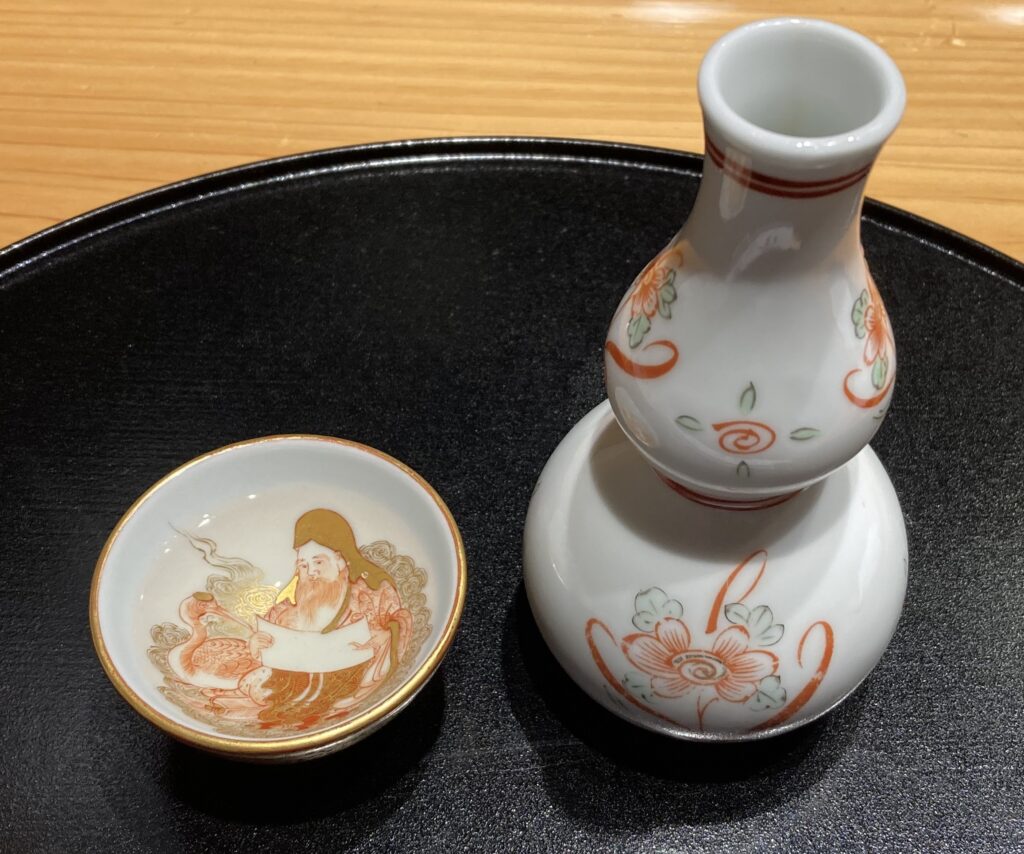
Q9: Do artisans also exhibit their work as artists? A: Yes, many do. Kutani ware is valued as fine art, and artisans often participate in major exhibitions like the Nitten or the Traditional Crafts Exhibition.
Q10: How do artisans earn their income? A: Some are employed by kiln studios, but many work independently and earn income through selling their pieces or taking commissions

3.3 Funny Backstories: The Local Guide’s Perspective
Q1: How can people become a Kutani ware artisan?
A serious look at training paths, followed by a story about the “heat” of the kiln and the “heat” of a Japanese wife.
- Unlike in the past, modern times offer several paths for aspiring craftsmen.
- In the Kutani region, there is a public Kutani Ware Technical Training Institute where many students learn the fundamentals.
- The traditional route of apprenticeship also remains: studying under a master, watching their every movement, and spending years absorbing the craft through imitation—an age-old way of learning.
- An art or design background can also be a strong advantage. In recent years, more young creators have studied at art universities before entering the world of Kutani ware.
- But in the end, what truly matters is the passion and perseverance to endure the many setbacks on the road to becoming a professional.
- This is something no classroom can teach. It must be earned through hands-on experience, one piece at a time.
- In Japanese, we say that applying heat “toughens up a spoiled nature,” and the expression fits Kutani ware perfectly.
- Each piece is fired multiple times, and beginners fail again and again—quite literally having their skills tempered in the heat of the kiln.
- When you think about it, Kutani ware pieces really do contain the heart of the artisans who make them.
- That reminds me of my best friend, a devoted Kutani ware fanatic. Even he occasionally breaks a piece by accident, and he says it feels as if his heart shatters along with it.
- Is it empathy for the artisan’s heart—the very essence of the cup? That might be part of it.
- But in his case, there’s another reason. His own heart, already fragile, gets scorched even further… by his wife, who erupts in fury like a kiln!

Q2. Is a Kutani painter a craftsman, an artisan, or an artist?
The struggle to define Japanese creators, leading to the ultimate solution: just call them Kutani-san.
- Traditionally, creators of Japanese crafts have been called craftsmen, so “artisan” is certainly appropriate.
- But the truth is more complicated today.
- Many traditional artisans now work like artists, expressing their own ideas and creativity.
- Kutani ware in particular has always embraced originality—its painters have long created bold, individual designs that earned high praise overseas as true works of art.
- For Kutani painters, the porcelain surface is essentially a canvas.
- It’s a place for free expression, and in that sense, they really are painters.
- And because Kutani ware ranges from everyday tableware to high‑end interior pieces and sculptural works, calling it simply “tableware” doesn’t capture its full scope anymore.
- At this point, arguing whether it’s craft or art feels almost meaningless.
- That’s why Kutani painting is so tricky to label.
- The people who create it don’t fit neatly into one category.
- As a local guide, I’ve learned to choose the term based on the person I’m talking to.
- It’s not about technique—it’s about atmosphere.
- If someone has that slightly intimidating aura, I call them an artist.
- If they’re relaxed and easy to chat with, I call them an artisan.
- That’s honestly how I judge it.
- And I’m clearly not the only one who struggles with this.
- So why not just call them Kutaniists?
- But then again, “Kutaniist” sounds a bit like “artist,” doesn’t it?
- Maybe we should go with something that works for everyone in Japan—and around the world.
- Just call them Kutani‑san.
- Add “‑san,” and suddenly anyone can say it with respect and affection.
4. Painting Techniques: The Art of Kutani Color
Discover how delicate brushes and fiery kilns create Kutani’s signature brilliant designs.
4.1 Key Painting Techniques
Here are the essential techniques behind Kutani ware’s intricate artistry.
- Overglaze Painting as the Core Technique: Kutani ware decoration is mainly done through overglaze painting: the porcelain body is fired first, then painted with colored pigments, and fired again. The forming and painting stages are clearly separated.
- The Traditional Five Colors: Red, yellow, green, purple, and dark blue form the foundation of Kutani color palettes. Artisans mix pigments while predicting how they will change during firing, creating the signature depth of Kutani colors.
- Gosu Blue Linework: Outlines are drawn with gosu, a cobalt-blue pigment. The thickness and shading of these lines dramatically influence the final impression.
- Ultra‑Fine Brushwork: Artisans use multiple ultra‑fine brushes to create hair‑thin lines and broad color fields. Brush pressure and breathing control the precision of the design.
- Raised “Mori” Technique: A unique method where pigments are applied thickly to create raised, jewel‑like textures. The artisan controls pigment volume with delicate fingertip sensitivity.
- Meticulous Color‑Filling: Large areas are filled with perfectly even color. Achieving a smooth, uniform surface requires subtle adjustments in brush angle and movement.
- Gold Decoration (Kinrande): Gold leaf or gold powder is applied after painting, adding the luxurious brilliance associated with the Kaga domain’s artistic heritage.
- Predicting Color Transformation in the Kiln: Overglaze pigments change color depending on firing temperature. Skilled artisans must anticipate the final hues before the piece enters the kiln.
- Symbolic Motifs: Traditional motifs such as pine‑bamboo‑plum, treasure patterns, and floral or bird themes carry cultural meanings that visitors appreciate when explained.
- Artistic Individuality: Beyond tradition, contemporary artists incorporate personal styles, creating innovative expressions. The fusion of technique and individuality enhances the artistic value of Kutani ware.
4.2 FAQ: The Traveler’s Perspective
Curious about how these stunning details are made? Here are the answers to common questions from visitors.
Q1: Why are these colors so deep and rich? Are the pigments special? A: The funny thing is, the colors look totally different before firing. Artisans mix pigments while imagining the final color after the kiln. It’s almost like color prediction magic.
Q2: These lines are perfectly straight. Do they use a ruler? A: No ruler at all. They hold the brush steady in mid‑air and pull the line in one smooth motion. Their hands are basically precision instruments.
Q3: Why does the same red look darker in some places and lighter in others? A: It’s all in the brush pressure and water control. A tiny shift in movement changes the shading. It’s literally “the breathing of the brush.”
Q4: These tiny patterns look like stamps. Are they printed? A: All hand‑painted. The fact that they look stamped shows just how steady and accurate Kutani painters are.
Q5: This gold part—is it real gold? And why doesn’t it peel off? A: Yes, it’s real gold leaf or gold powder. It’s not just glued on; it’s fired in the kiln so the gold bonds firmly to the surface.
Q6: These raised decorations—don’t they collapse before drying? A: The pigment is mixed to the perfect thickness so it holds its shape. “Mori” painting is like decorating a cake, but ten times harder.
Q7: How can artisans paint such tiny details for hours? Don’t they get tired? A: They do! But once they enter their “focus mode,” time disappears. Many look up and realize it’s already evening.
Q8: This blue outline doesn’t bleed at all. How is that possible? A: They control the water content with extreme precision. Painting on ceramic is much harder than painting on paper.
Q9: How do they make everything perfectly symmetrical? Do they sketch it first? A: Only minimal sketching. Most symmetry comes from the artisan’s internal “guide lines.” It’s like having CAD software inside their brain.
Q10: Which parts follow tradition, and which parts are the artist’s own style? A: Traditional motifs exist, but colors and composition are up to the artist. Kutani ware is all about balancing tradition with personal creativity.
4.3 Funny Backstories: The Local Guide’s Perspective
Q1: What is Kutani ware’s gosu?
An explanation of the blue framework of Kutani, followed by a lighthearted look at the many shades of “blue” in Japanese life.
- It is the first set of lines drawn on the pure white porcelain surface to form the framework of the design.
- When applied, the pigment looks dull and dark, but after firing in the kiln it transforms into a vivid cobalt blue—a truly remarkable material.
- This deep, vibrant blue becomes a calm foundation that beautifully enhances the bright five-color palette of Kutani ware.
- The impression of a piece changes dramatically depending on the artisan’s brush pressure, from hair‑thin lines to bold strokes, and the shading created by variations in thickness.
- These cobalt lines also act as a barrier, preventing the vivid overglaze colors applied later from mixing.
- In the past, gosu was an expensive material made from precious imported pigments.
- Perhaps for that reason, the Japanese have long cherished blue tones and incorporated countless shades of blue into daily life.
- The most iconic is indigo.
- During the samurai era, indigo‑dyed kimonos and shop curtains became part of everyday culture, and this beautiful color is now known worldwide as “Japan Blue.”
- The skies and seas in ukiyo‑e prints were also depicted in this hue.
- Today, deeper navy blues remain popular, while even darker indigo appears in the rich blue of Kutani porcelain.
- Everyday life is also filled with lighter blues: pale blue summer yukata, refreshing sky‑blue glassware, soft light‑indigo hand towels, and jewel‑like lapis‑colored ceramics.
- Blue has always been a comforting presence in Japanese life.
- But recently, the English phrase “feeling blue” has become common in Japan, and many young people associate blue with sadness.
- When I feel blue, I remind myself of all the beautiful shades of blue cherished in Japanese culture.
- It really lifts my spirits.
- The blue blew away my blue feeling!
Q2: Why are the painting patterns on Kutani ware so different?
A history of Kutani styles, followed by a witty wordplay on “dishes” in English.
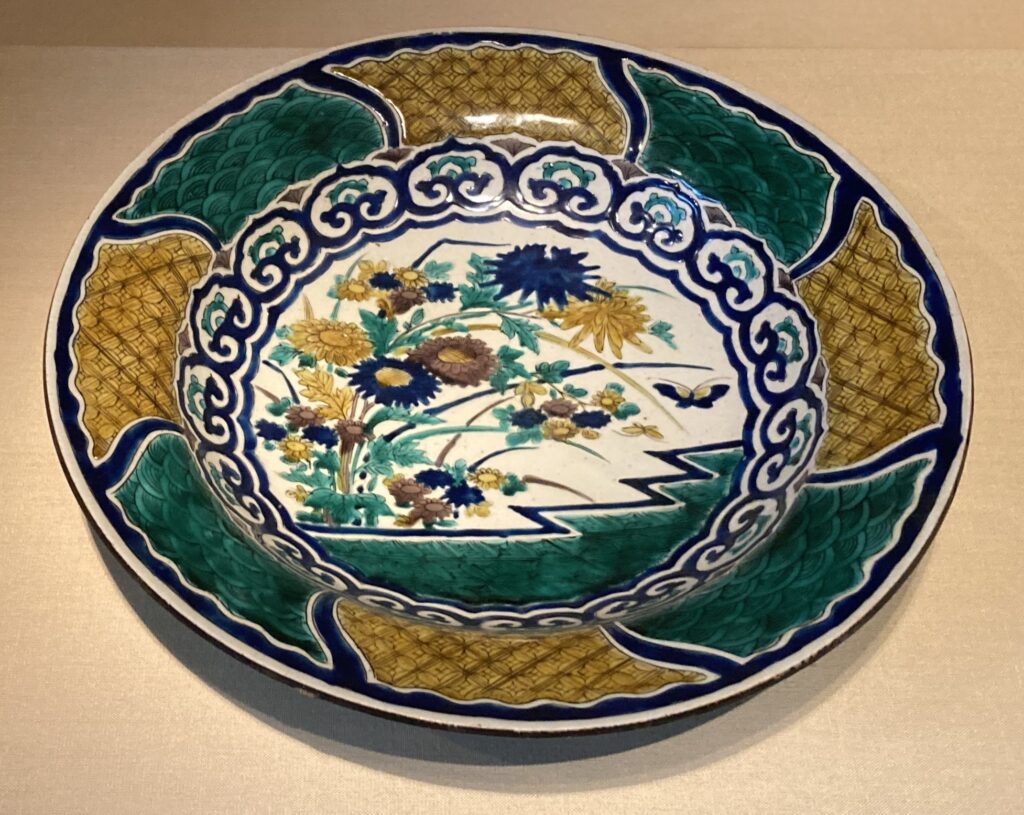
- The diversity and complexity of its decoration is one of the defining features of Kutani ware.
- It reflects not only its design quality but also its spirit.
- Early Kutani ware from about 400 years ago was already vivid and bold, but production mysteriously stopped a few decades later.
- Its revival about a century afterward shaped the future of Kutani ware.
- The Yoshidaya style, which revived the early Kutani aesthetic and refined it further, is known for its blue‑and‑green palette—famously “without using red.”
- After that kiln closed, the Iidaya style rose to prominence with its striking use of red and gold.
- In this way, each generation of talented painters created its own intricate world, eventually forming the brand known today as “Japan Kutani.”
- This brand is instantly recognizable for its brilliance, opulence, and dense, information‑rich designs.
- Kutani decorative plates are especially popular, whether hung on walls or displayed on stands.
- At the same time, cute and affordable small dishes are also in high demand.
- But this creates a small challenge for interpreter guides.
- Large pieces can be called “plates,” and small ones “dishes,” but both words also mean “food,” so misunderstandings can happen.
- When someone asks, “What’s the dish?” while pointing at a small plate of food, are they asking about the plate, the food, or making a clever joke based on a trendy expression?
- And if a painter looks at a huge plate of food and says, “We have a lot on our plate,” do they mean the feast—or simply how busy they are?
- Busy painting intricate designs, of course!

5. The Kutani Business Model: Art Meets Industry
Discover how traditional artistry blends with modern efficiency to bring Kutani ware to the world.
5.1 Key Insights into the Kutani Business Model
- Affordability through Heat Transfer Printing: Kutani ware adopts heat-transfer printing technology to offer intricate designs at affordable prices while maintaining traditional aesthetics.
- Replication of Complex Designs: Transfer printing enables perfect reproduction of complex patterns and gradients originally created by artisans, greatly expanding design possibilities.
- High Productivity through Division of Labor: Production operates under a strict division of labor, with clay formers, painters, and printing technicians working as independent specialists.
- Dual System of Artists and Kilns: One-of-a-kind artworks by individual artists coexist with mass-produced pieces from kilns, providing options for different budgets and purposes.
- Hybrid Production of Print and Hand-painting: A hybrid method combines printed base designs with hand-applied techniques such as gold decoration and raised “mori,” adding luxury and texture to mass-produced items.
- Wholesalers as Market Producers: Wholesalers function as strategic producers, analyzing market trends and directing which designs and techniques should be developed.
- Brand Experience Selling with Tourism: Tourism-linked experiential sales allow visitors to purchase pieces directly at studios and galleries, strengthening the regional brand.
- Stable Supply for B2B: A stable system supplies restaurants and hotels with large quantities of consistent, uniform tableware for professional use.
- Global Direct Sales via Online: Online platforms increasingly enable direct global sales to collectors and general consumers under the “Japan Kutani” identity.
- Diverse Price Range for Diverse Demands: A wide price range—from affordable transfer-printed items to high-end hand-painted works—allows Kutani ware to meet diverse market demands.
5.2 FAQ: The Traveler’s Perspective
Common questions from visitors curious about how this traditional industry operates.
Q1: Why do pieces of similar size have such different prices? A1: It depends on whether the design is hand-painted or transfer-printed. Hand-painting requires time and advanced skill, so it is more expensive. Transfer printing allows the same design to be produced efficiently at an affordable price.
Q2: Since transfer printing is cheaper, is the quality lower than hand-painting? A2: The quality is not inferior. The original artwork is printed with special ceramic pigments and fired at about 800°C, so the colors fuse with the surface and never peel. The durability and brightness are comparable to hand-painting.
Q3: Doesn’t the increase in transfer-printed products reduce demand for hand-painted pieces? A3: Not at all. They serve different roles. Transfer printing suits mass production, while unique and expressive works can only be created by hand. This balance has actually expanded the overall market.
Q4: Who buys these expensive hand-painted pieces and large decorative items? A4: In Japan, they are often purchased as special gifts for weddings or anniversaries. Overseas, they are collected as art pieces or added to private collections.
Q5: Are all the Kutani ware pieces sold here made in this shop? A5: Kutani ware is produced through a regional division of labor. Different workshops specialize in forming the clay, painting, and firing. Shops coordinate these processes and sell the finished pieces.
Q6: Why is Kutani ware so colorful? A6: It uses the traditional “Five Colors”—red, yellow, green, purple, and dark blue. Kutani ware has historically valued boldness and decorative richness.
Q7: What qualifies a piece to be called “Kutani ware”? A7: Pieces made within Ishikawa Prefecture using Kutani techniques—forming, painting, and firing—are officially recognized as Kutani ware.
Q8: Why do works by the same artist vary so much in price? A8: Price depends on size, level of detail, production time, technical difficulty, and the artist’s reputation.
Q9: Is Kutani ware suitable for everyday use? A9: Yes. Many pieces are microwave- and dishwasher-safe, though items with gold decoration should be handled more carefully.
Q10: Why are there both “artist pieces” and “kiln-produced pieces”? A10: Individual artists focus on personal expression, while kilns specialize in producing consistent, high-quality items in larger quantities. Both are essential to the Kutani ware ecosystem.
5.3 Funny Backstories: The Local Guide’s Perspective
Q1: What is thermal transfer printing?
An explanation of the technology, followed by a witty take on how “heat” transformed the industry.
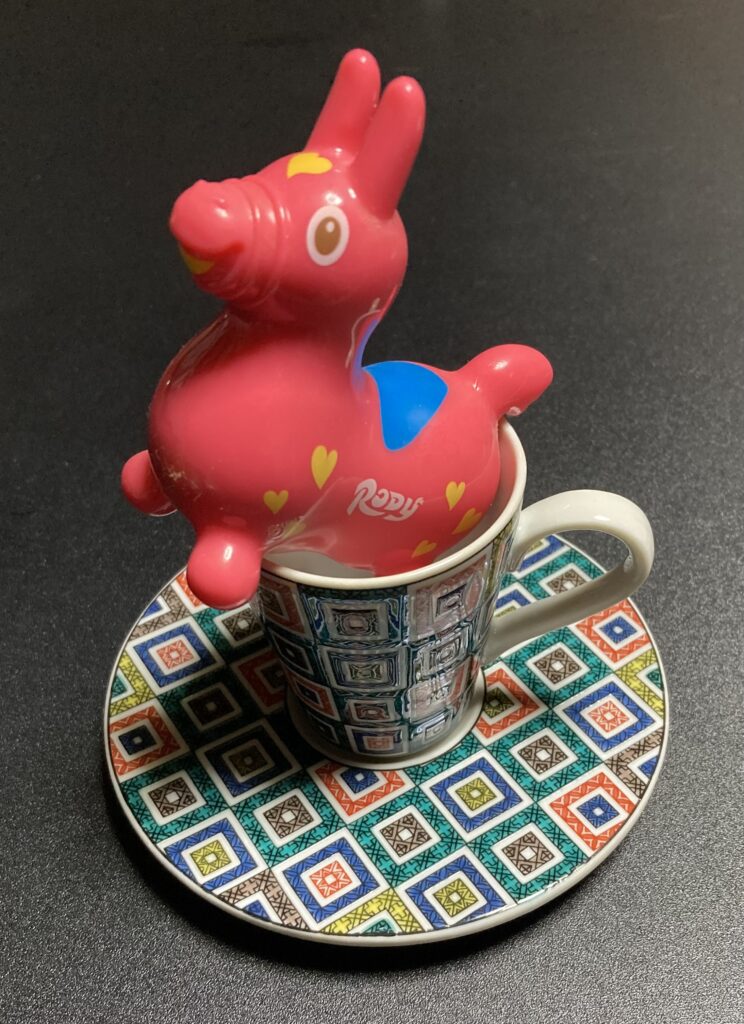
- It is a technique that creates ceramic decals using modern digital printing technology.
- The basic idea is similar to inkjet printing at home, but instead of ordinary ink, it uses special pigments that reproduce the traditional Five Colors of Kutani ware—blue, green, yellow, purple, and red.
- These pigments are printed onto special paper designed specifically for ceramics.
- A skilled craftsman then applies each printed sheet to the vessel by hand.
- This requires expertise to avoid wrinkles and air bubbles, especially on curved surfaces.
- After the decal is applied, the piece is fired in a kiln at around 800°C.
- During firing, the paper burns away, while the pigments melt and fuse with the porcelain surface, becoming part of the glaze itself.
- In the past, everything had to be painted by hand.
- Thermal transfer printing made it possible to export beautiful Kutani ware consistently and affordably around the world.
- It is a kind of modern magic—allowing the brilliant Kutani Five Colors, once achievable only through hand‑painting, to be reproduced with stable quality.
- Moreover, this technology can express extremely intricate designs that would be impossible to paint by hand.
- In that sense, digital technology—often criticized for “taking jobs away”—is a rare example of a tool that actually expanded the Kutani market.
- It transformed the initial skepticism of traditional artisans into the enthusiasm of new creators.
- Truly, it’s heat transfer technology—in every sense of the word.
A Final Note from Your Guide
Thank you so much for journeying through the world of Kutani Ware with me.
In Japan, we believe that art is meant to be lived with, not just observed. I hope that through this guide, you’ve discovered that these vibrant, porcelain vessels are more than just dishes—they are explosive expressions of color and 350 years of history that you can hold in your hands.
Whether you are looking for a masterpiece of Kinran-de gold decoration to display in your home or a modern piece for your daily morning coffee, I hope your visit to the Kaga Onsen area becomes a “once-in-a-lifetime encounter” (Ichigo-Ichie).
The artisans of Kutani are waiting for you, brushes in hand and hearts open, ready to show you the brilliant beauty hidden within the clay.
Safe travels, and may you find the perfect “color” for your life.


