
This blog offers a clear and concise introduction to Eiheiji Temple—arguably the most historic and renowned among Japan’s tens of thousands of Zen temples.
While it remains a living temple where monks (unsui) from across Japan undergo rigorous training, it also welcomes Zen enthusiasts and curious visitors. Even beginners can join hands-on Zazen meditation sessions—no prior experience or reservation required.
Whether you’re a traveler, a visiting professional, or a student eager to explore Japanese culture, Eiheiji Temple offers a warm and serene welcome. If the description below sparks your curiosity, we invite you to stop by and immerse yourself in the tranquil world of Zen. Who knows—it might even inspire a more mindful life back home.
1. Does this intrigue you?
If you’re unfamiliar with Zen, we’ve prepared a brief introductory chapter just for you. And if it doesn’t quite resonate, no problem—feel free to skip ahead to Chapter Two, where you’ll decide whether to glimpse this centuries-old spiritual tradition in person.
1.1 A Zen Temple That Offers Extraordinary Experiences—Even for Tourists
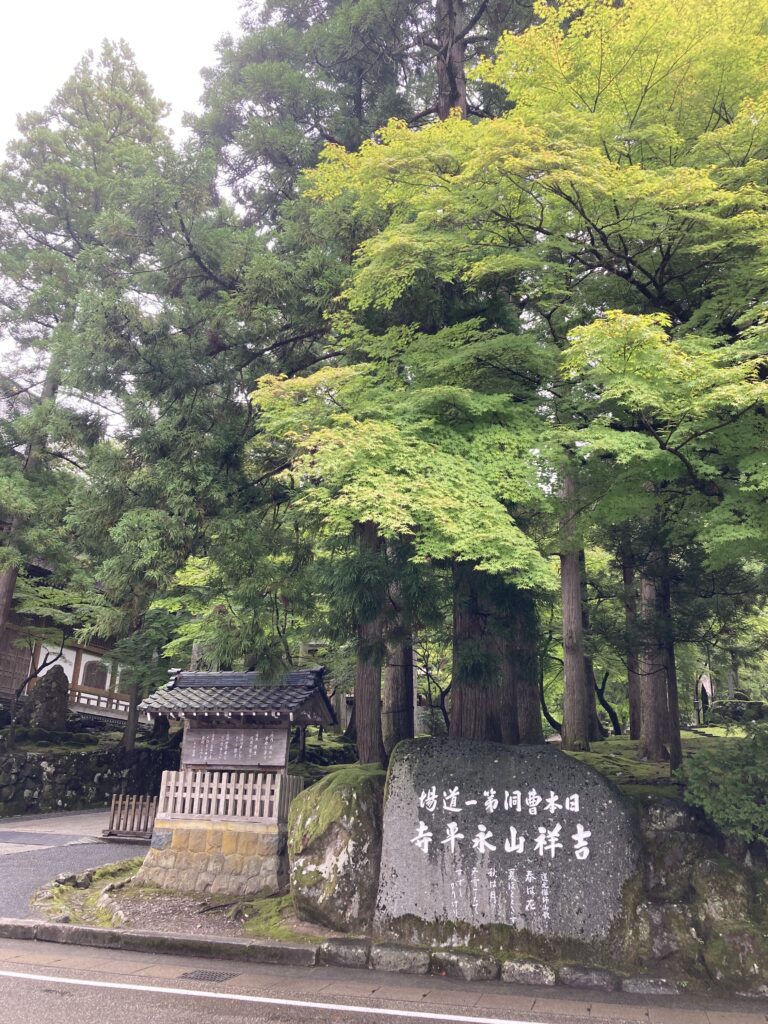
- Of the tens of thousands of Zen temples in Japan, Eiheiji is arguably the most historic and well-known. It’s a living temple where many monks (unsui) still perform their rigorous training. While there are many areas restricted to tourists, the temple’s serene and austere atmosphere offers all visitors an extraordinary experience.
- 👉First, let us introduce the basic information in the standard format often used by travel companies.
1.2 What Drew Steve Jobs to Eiheiji Temple?
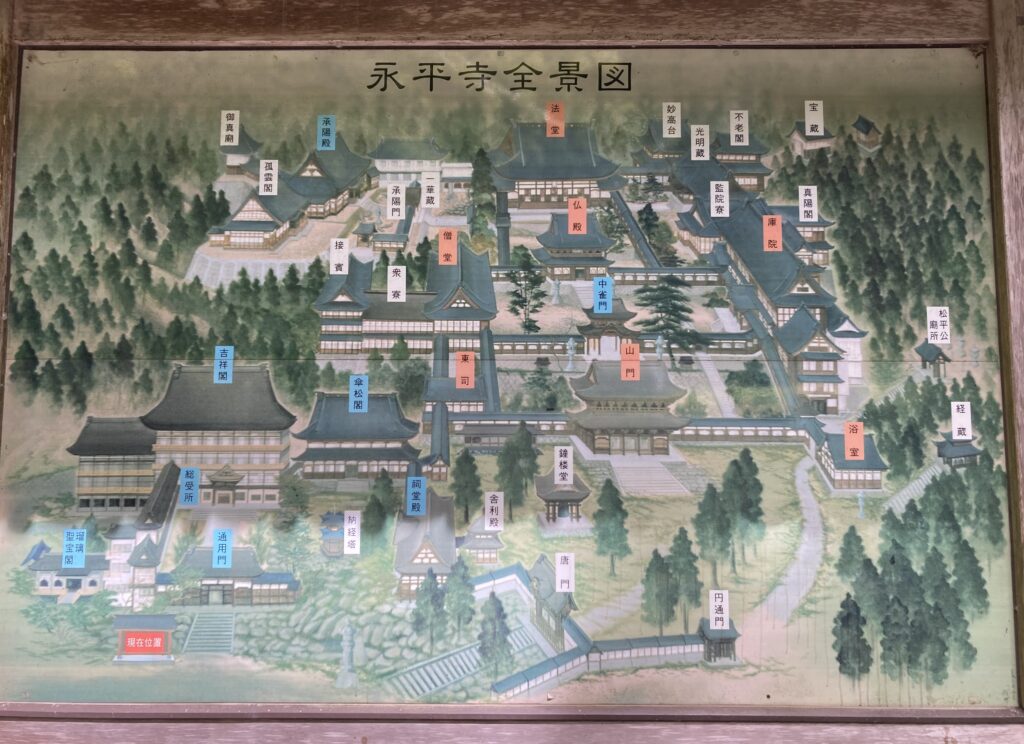
- With over 70 buildings and more than 700 years of history, the vast Eiheiji Temple serves as the head temple of the Sōtō Zen sect and a sacred site for Zen practitioners. It is said that even Steve Jobs, a symbol of cutting-edge IT, once wished to enter this temple. Why not visit in his place and discover what drew him in? You might find that the simplicity of Zen and the minimalism of Apple were not their only common ground.
- 👉This time, we’re luring you in with a curveball—unexpected, but hopefully irresistible.
2. Do These Messages Spark Your Curiosity?
If the previous section didn’t quite capture your interest, no worries—we’ve explored each theme a bit further below. If anything catches your eye, I’d love for you to stop by!
2.1 Architecture and Craftsmanship
🏯 2.1 Architecture You’ll Want to Photograph—from Above and Below
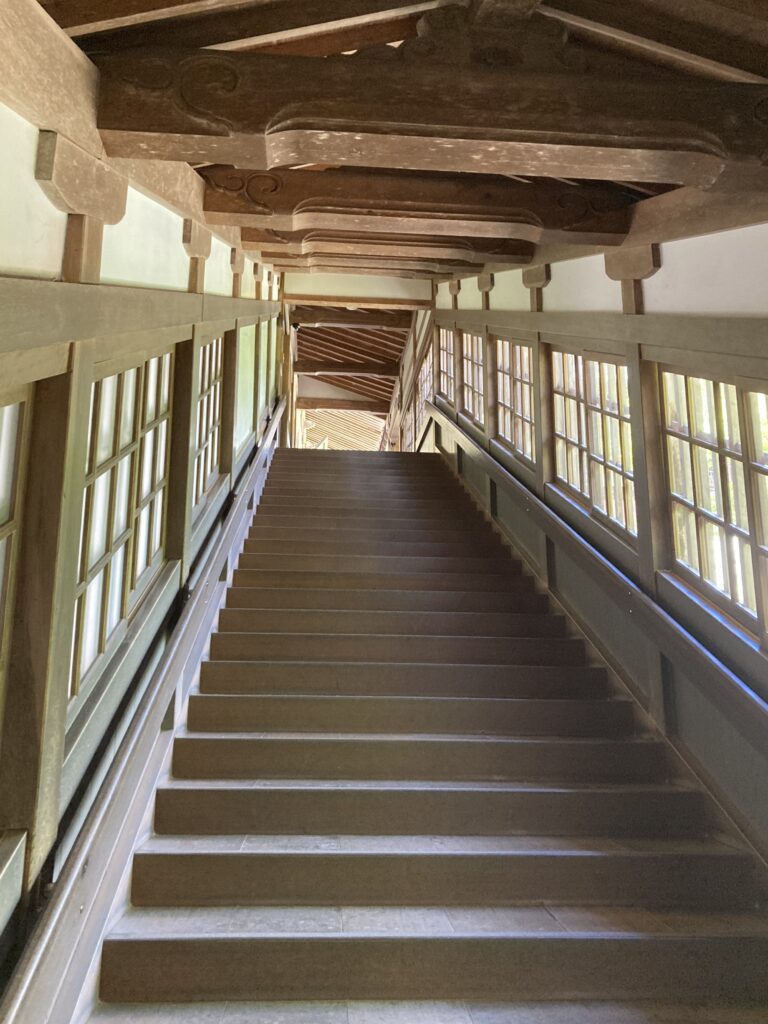
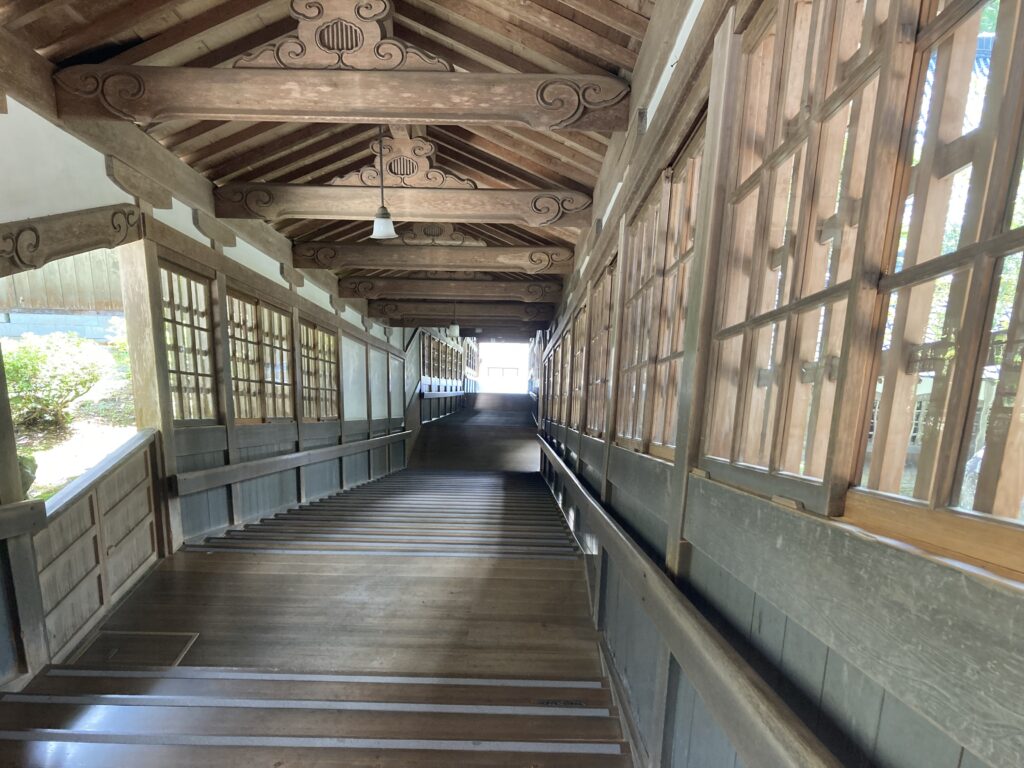
- The layout of the Eiheiji temple complex is unique, with over 70 halls and towers connected by beautiful corridors. The wooden floors have a natural shine because the Zen monks wipe them daily as a Zen practice. The long, sloping corridors, in particular, are popular photogenic spots, whether photographed from above or below.
- 👉This time, we’re blending architecture and photography—two ways of seeing, one moment of stillness.
2.2 Art
🧘♀️ 2.2 A Zen Temple Where You Yourself Become Art
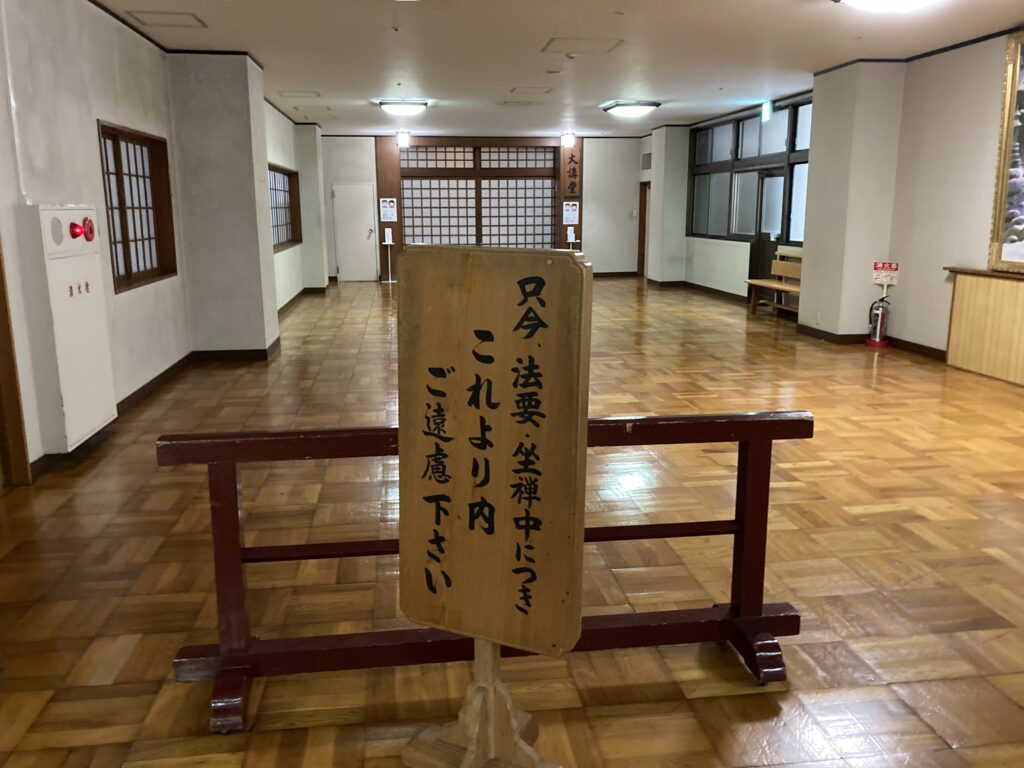
- During zazen, or Zen meditation, the monks sometimes appear to be living works of art. At Eiheiji Temple, you can try zazen yourself for about an hour, three times a day, without a reservation. The sight of many people meditating together in silent unity in the great hall is truly beautiful. If you imagine yourself as part of this group, you might feel as though you’ve become a part of the art itself. Of course, no photos are allowed during meditation—that would make the art into something artificial!
- 👉 This time, we’re luring you in with a paradox: a walking tour that invites you to sit still and become the art.
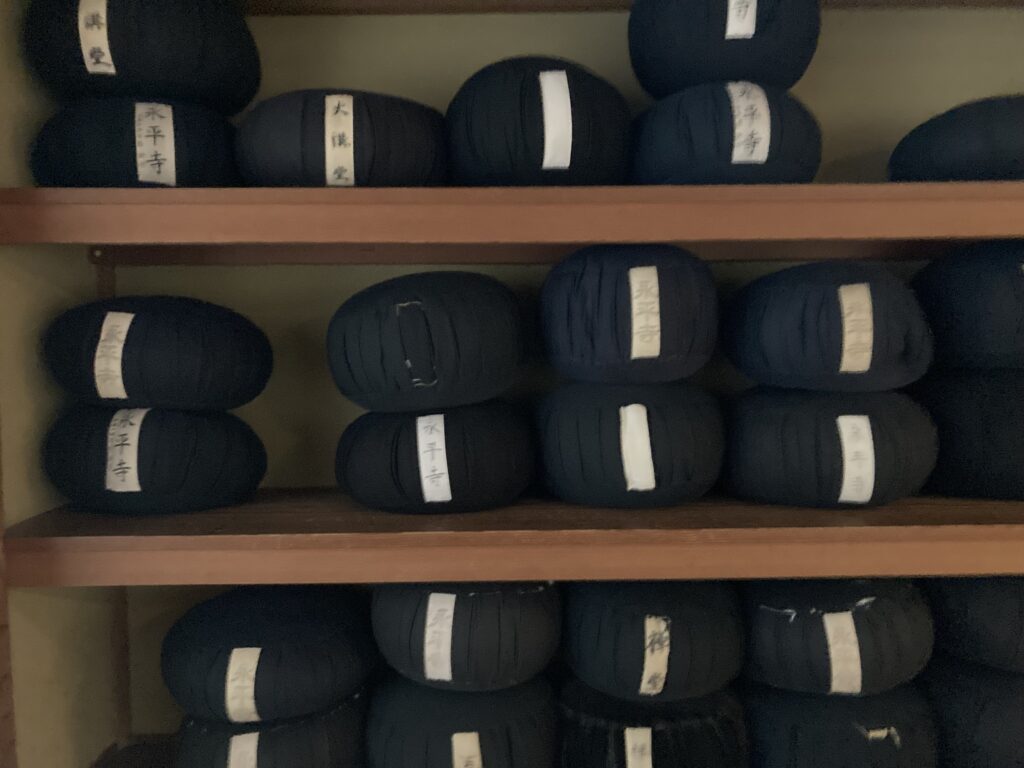
2.3 Fashion
👕 2.3 Can You Capture Fashion That’s One-of-a-Kind?
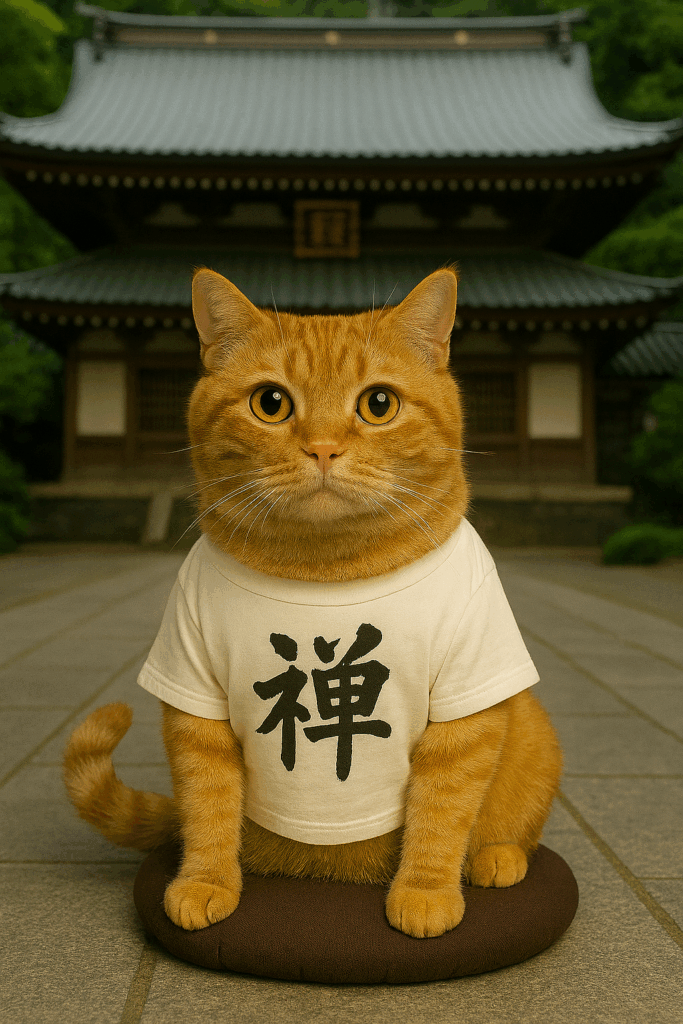
- You can buy Zen T-shirts online these days, but it’s much more meaningful to browse and pick one out yourself at a shop inside Eiheiji Temple or on the temple town street. These T-shirts, printed with Japanese calligraphy characters like “Zen” or “Katsu,” make for a truly unique souvenir. Putting one on and taking photos inside the temple or at the temple gate will give you a one-of-a-kind memory.
- 👉 We chose “putting on” instead of “wearing”—because this isn’t just clothing. It’s a moment of playful transformation. And yes, you can enjoy it even in winter—just layer it over your coat and strike a pose!
2.4 Food
🍲 2.4 Can You Savor the Lingering Taste of Shojin Cuisine—Even at Your Hotel?
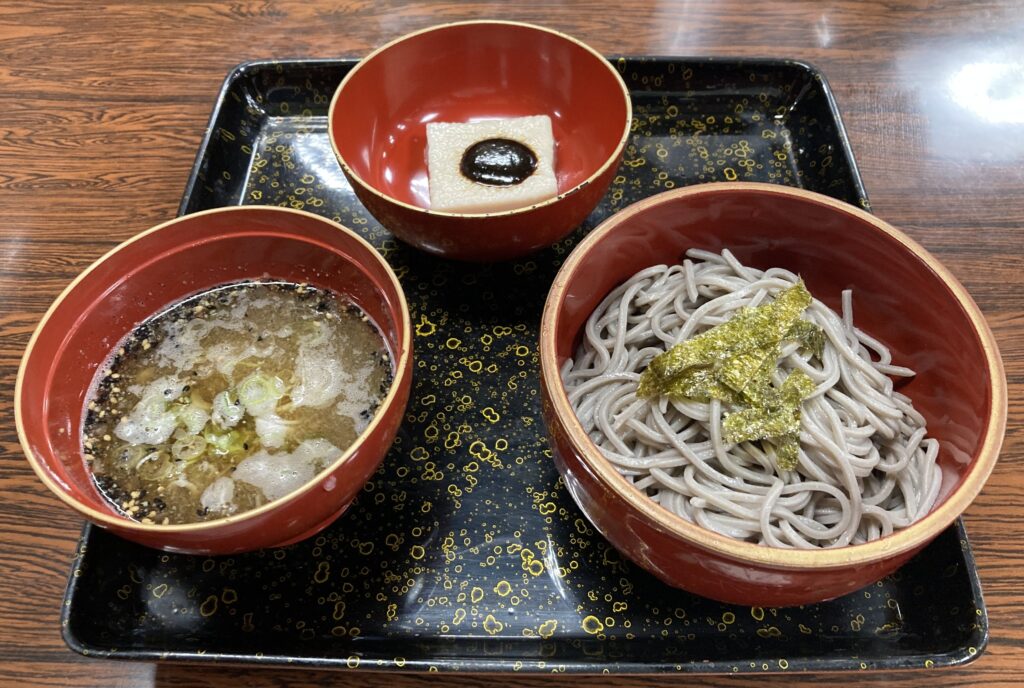
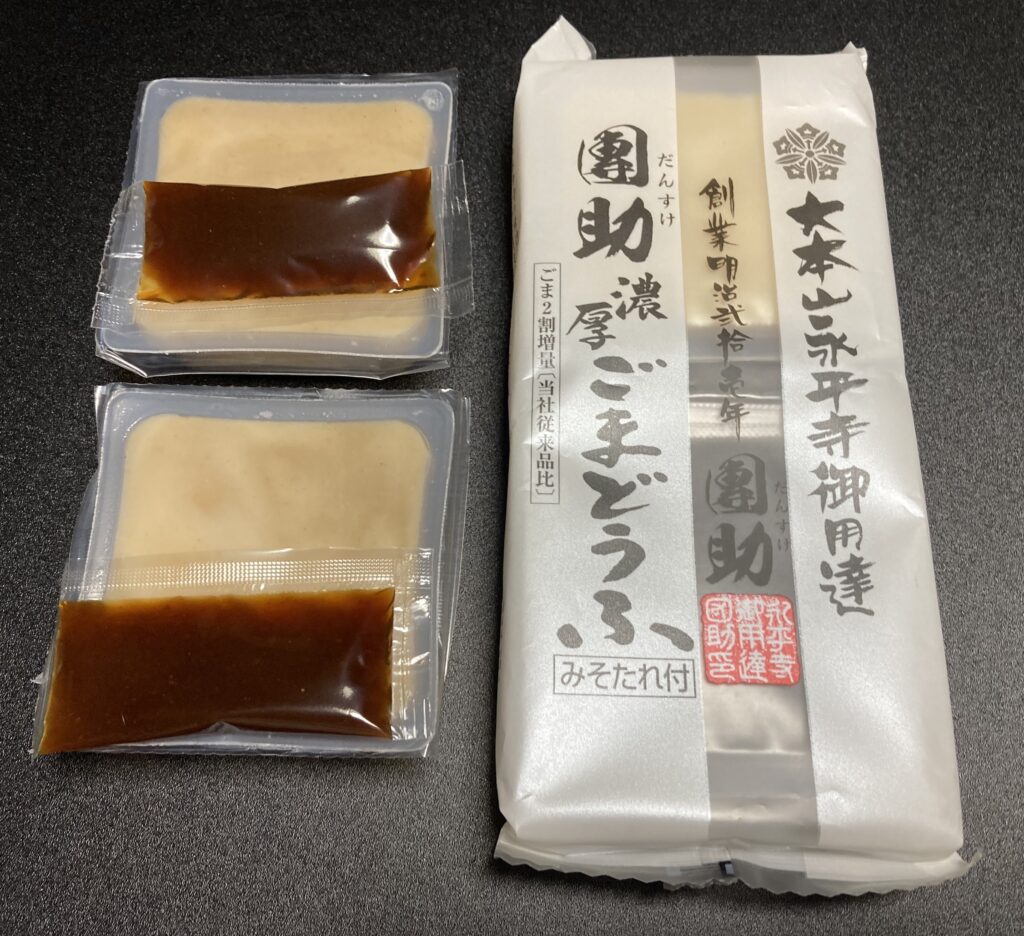
- At several restaurants in the Eiheiji temple town, visitors can enjoy shojin ryori, a vegetarian cuisine based on the teachings of the temple. Among the local delicacies, you’ll find an exceptional sesame tofu that was originally exclusive to the temple. Now sold in vacuum-sealed packs as a souvenir, it allows you to savor the unique shojin flavor even back at your hotel.
- 👉 The streets of Eiheiji Town are famous for sesame tofu—so yes, it’s literally Sesame Street.
2.5 The Japanese
🍃 2.5 A Temple Where You Can Grasp the Essence of Japan’s Aesthetic Sensibility: Wabi-Sabi
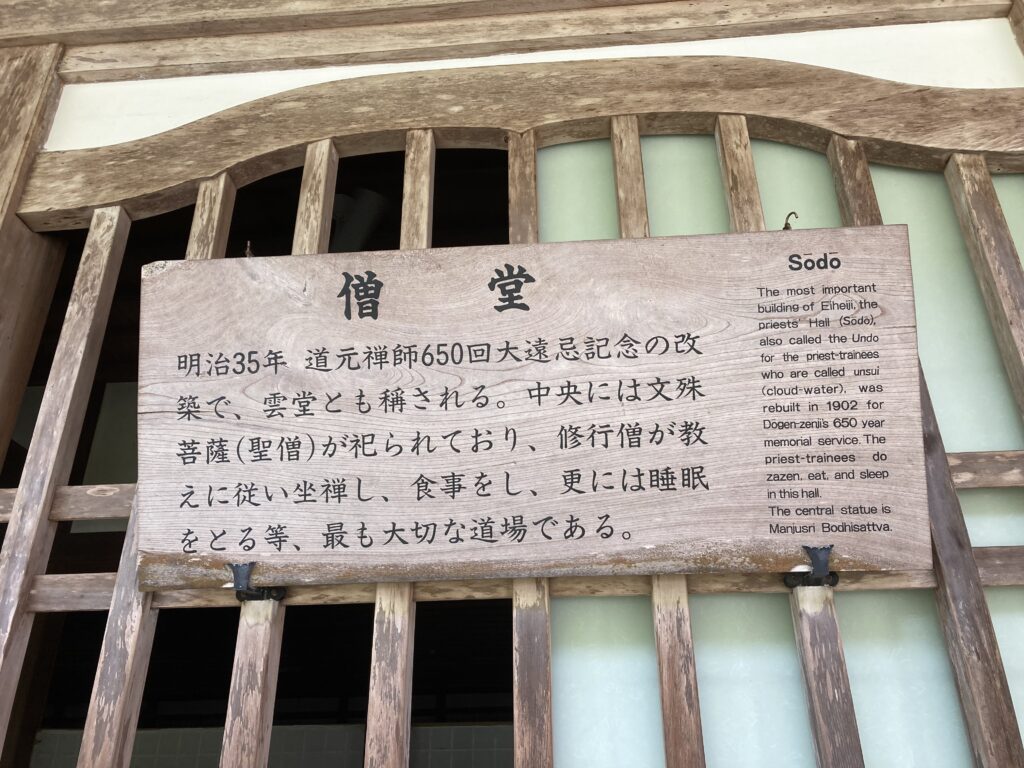
- Zen is not merely the practice of sitting and meditating; it is a philosophy that views all daily activities—from waking to eating to sleeping—as a form of practice. This spirit of “polishing the mind through daily actions” has deeply permeated many aspects of Japanese culture. From artistic disciplines like the tea ceremony to martial arts like judo, the pursuit of beauty lies in simplicity and the elimination of waste found in every action—from preparation to cleanup. At Eiheiji Temple, you can experience the roots of the Japanese aesthetic of wabi-sabi, or antique and subtle beauty, in its purest form.
- 👉 Eiheiji Temple welcomes around 500,000 visitors a year—not a huge number, but a thoughtful one. And yes, that includes you.
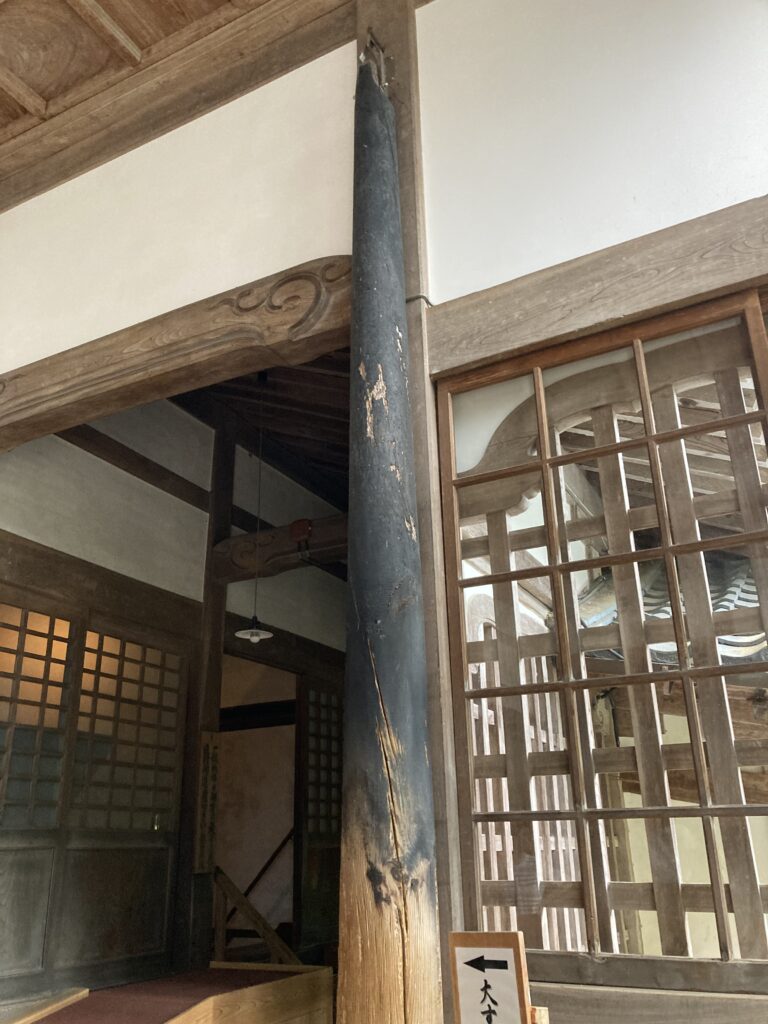
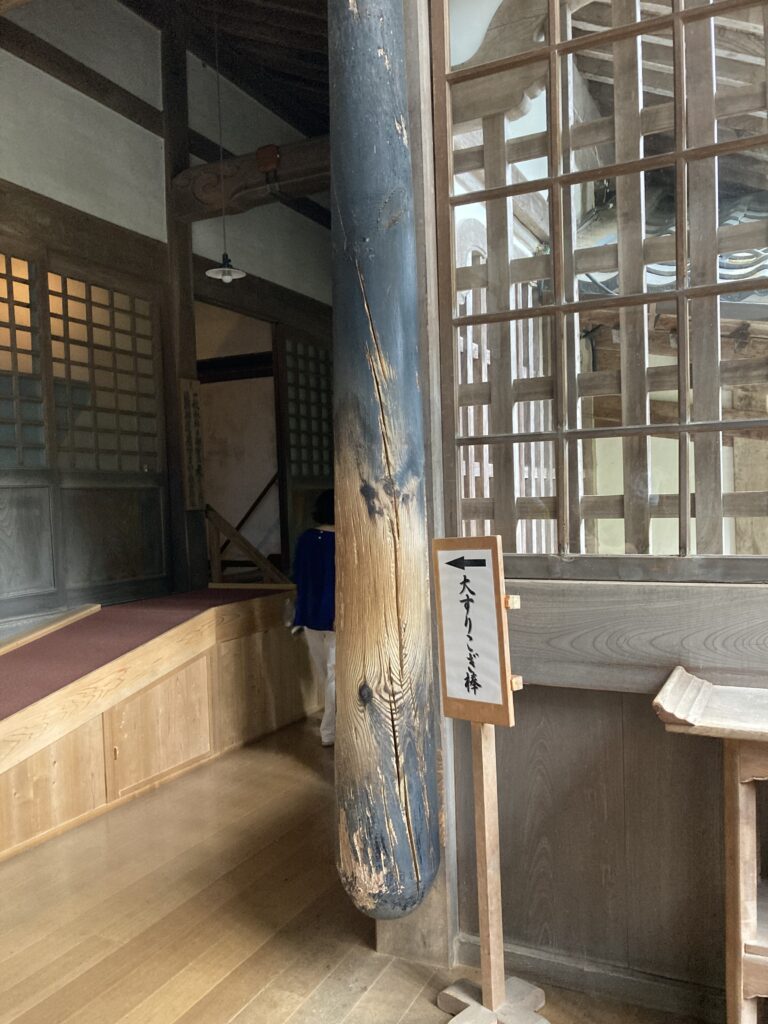
Thank you & Afterwards
Thank you very much for reading to the end of this issue. If you have any comments or requests, please feel free to contact us at the Help Desk.🔶Gold💎R70915.v.4b.4b.4b/+