- 1. Welcome to Shirakawa-go
- 2. Quick Overview
- 3.Gassho-zukuri/prayer-hands style (Outline)
- 4 Gassho-zukuri houses open to public
- 5. Irori/Sunken hearth
- 6 Gassho-zukuri ground floor (living space)
- 7 Gassho-style attic (as work space)
- 8 Gassho-zukuri Attic (As architectural space)
- 9 Gassho-zukuri Attic (Remnants of Silkworm Farming)
- 10 Castle Ruins & Observatory
- 11 History of Gassho-Zukuri (Village People’s Story)
- 12 Thatched Roof
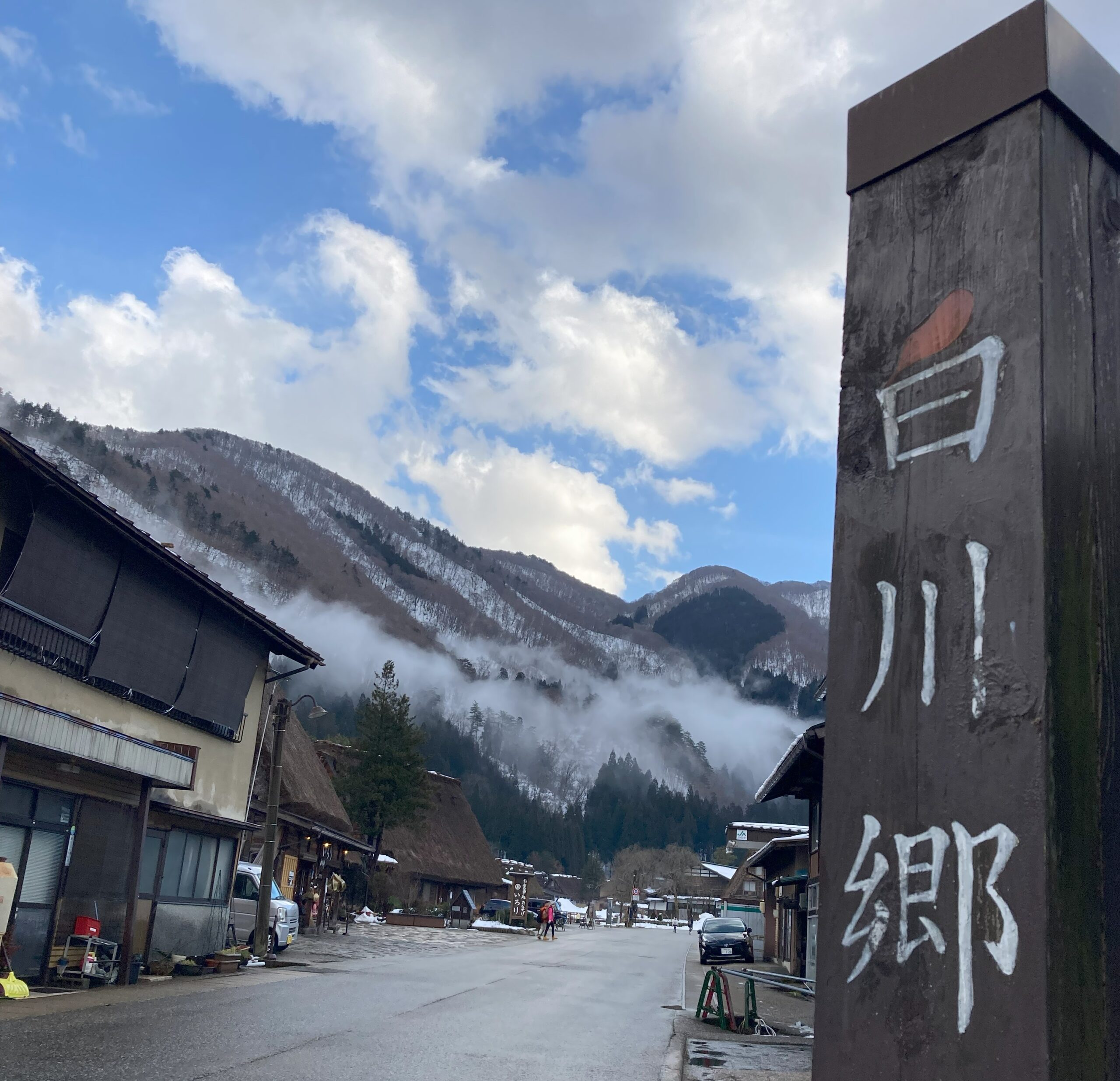
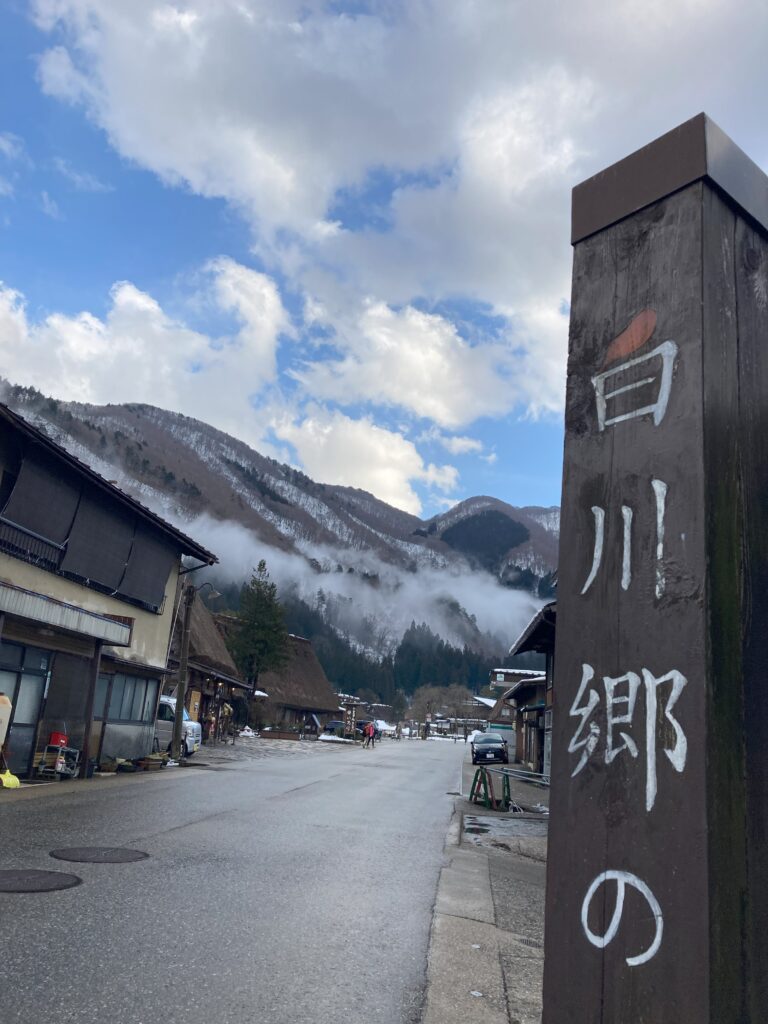
1. Welcome to Shirakawa-go
Want to unlock the secrets of Japan’s most iconic village?
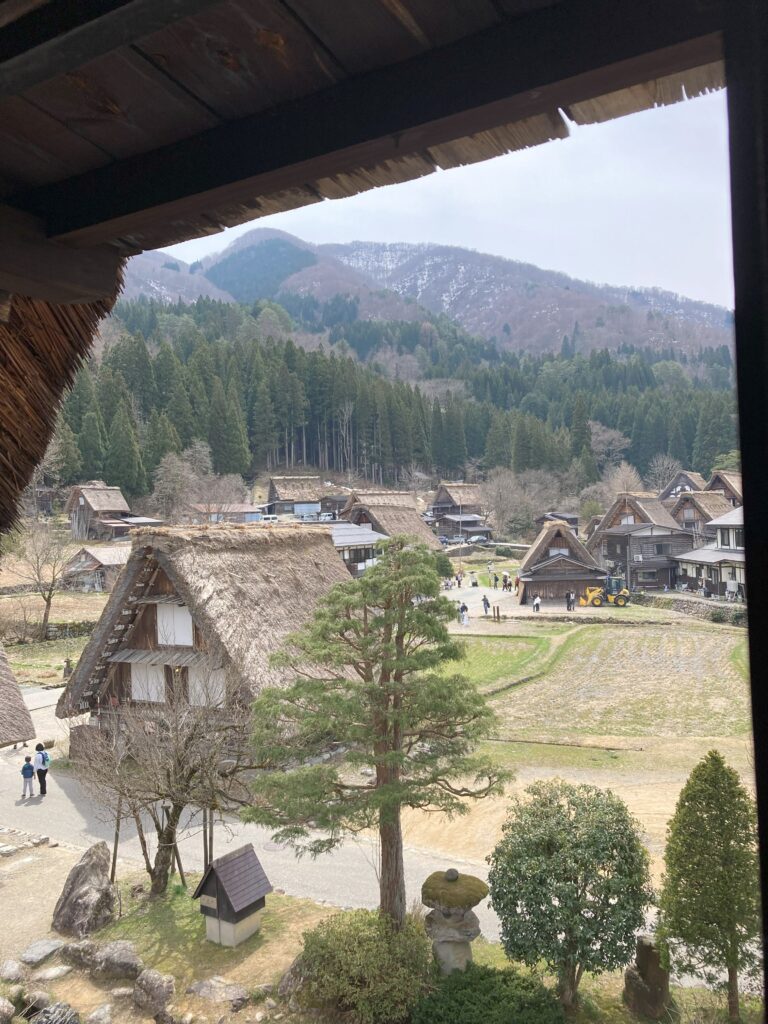
Most people look at the “prayer-hands” roofs of Shirakawa-go and see a postcard. But I see a story of survival, secret gunpowder labs, and a village that refused to disappear.
Forget the dry official guides. I’m a local guide, and I’m going to show you the “Funny Backstories” you won’t find anywhere else. From the “Luxury Virus” to the peaceful DNA of the people who lived here, let’s explore the real Shirakawa-go in just 5 minutes!
2. Quick Overview
2.1 Basic Information: The Cheat Sheet
- Built Without Nails: These 300-year-old houses are held together by ropes and wooden soul-power. They are flexible enough to bounce back from heavy snow and wind.
- The “Prayer-Hands” Slant: The roofs are tilted at a steep 60-degree angle (like hands in prayer) so that the massive snowfall slides right off.
- Not a Museum: People actually still live here! It’s a thriving community that successfully turned a dying silk industry into a world-class tourism model.
- Survival Architecture: The design isn’t just for looks; it’s a perfectly rational survival machine created by centuries of enduring harsh winters.
- Nature’s Projection Mapping: Whether it’s the autumn leaves or the winter light-up, the colors of this village change like a live art show.
2.2 Ready to Crack a Smile?
Q1: How did such a “weird” village come to be?
To be honest, these houses weren’t that rare in old Japan. So why is this the only place left?
The answer lies in the incredible patience of the locals—and a history of people who were “kicked out” of the capital but decided to build a paradise in the snow instead. Let’s look at the DNA of a village that chose peace over power.
- Originally, it is said that there were quite a few other villages in Japan with houses like these.
- The design concept for buildings such as the gassho-zukuri was to adapt them to the harsh natural environment.
- This sharply sloped roof was designed to prevent heavy winter snow from accumulating.
- Additionally, due to the scarcity of farmland, a large work area on the second floor and in the attic was necessary for keeping silkworms and generating income from sericulture.
- Since many villages in Japan were situated in similar natural environments, houses like gassho-zukuri were likely not so rare.
- In the modern era, however, sericulture became an unviable source of income, leading to the abandonment of many gassho-zukuri houses and the departure of residents from the villages.
- What was unique here was that they managed to stave off destruction and dispersion just in time.
- Among patient farmers, the people here might have been exceptionally so.
- It is said that the ancestors of this community were defeated in a power struggle long ago and were driven out of the capital, eventually settling here much like hidden Christians.
- They had nowhere else to go, and despite the changing environment, they had no choice but to adapt and live here using their resourcefulness.
- Accidentally, I reflected on our human history of striving to conquer fertile lands and historically significant places by any means necessary.
- Perhaps what should be preserved as a true World Heritage site is not just the buildings here, but the DNA and spirit of the people of Shirakawa-go, who were determined never to invade others.
3.Gassho-zukuri/prayer-hands style (Outline)
3.1 Basic Information: A Rational Survival Machine
The “Gassho” style isn’t just about aesthetics; it’s a masterpiece of functional engineering designed to conquer one of the harshest climates on Earth.
- Flexible Resilience: These houses are assembled with ropes, not nails. This creates a flexible skeleton that can “sway” to absorb the pressure of windstorms, earthquakes, and tons of heavy snow.
- The Smoked Fortress: The Irori (sunken hearth) on the first floor does more than cook. Its smoke rises through the entire house, fumigating the wood and thatch to prevent rot and keep pests away.
- Natural Climate Control: The thatch roof, nearly one meter thick, acts as a massive thermal blanket—keeping the interior cozy in sub-zero winters and surprisingly cool in humid summers.
- Maximized Productivity: By removing internal walls and using an “open-floor” plan in the attic, locals created a massive workspace for silk farming that allowed for perfect ventilation and natural light.
- Strategic Alignment: Every house faces North-South. This isn’t for luck; it’s a wind-cutting strategy to minimize wind resistance and ensure the sun hits the thatched roofs evenly to melt snow.
3.2 Ready to Crack a Smile? Short Stories for You!
Q1 “Why is it called gassho-zukuri?”
“Gassho” means hands pressed together in prayer. But was it named because of the shape, or because the people were literally praying for their lives in the deep snow?
Let’s look at the spiritual side of this architecture—and a new English pun that might just be the perfect catchphrase for this World Heritage site!
- Since Shirakawa-go became a World Heritage site, the term ‘gassho’ has gained international popularity and is recognized by many foreigners visiting Japan.
- It is also widely used in various translations, such as ‘prayer-hands style,’ ‘thatched-roof style,’ ‘steeply sloped roof style,’ and ‘A-frame,’ to describe its appearance.
- There are various theories about when the term came into use, but a common factor is that it derives from the Japanese expression for putting one’s hands together in prayer or gratitude.
- Indeed, the cross-section of the roof, assembled in a mountainous shape, resembles the profile of two hands together, but instead of being overlapped, it takes the form of a triangle similar to a pyramid.
- Ultimately, the naming reflects the deeply rooted religious beliefs and nature worship of the Japanese people.
- However, some technically oriented individuals may be concerned that the term ‘gassho’ does not accurately represent the actual shape of the structure.
- For example, it resembles an almost equilateral triangle, so it might be more accurately described as traditional truss architecture or a Japanese A-frame house.
- It might be more accurate to start with the Japanese mentality, as focusing solely on appearance can often be misleading.
- The term ‘gassho’ may not have been chosen for its shape but rather for the spiritual condition of people who, in their struggle to survive, had no choice but to pray with their palms together, asking for God’s help.
- Long ago, the early construction style was mediocre, but it evolved into this unique form through hundreds of years of prayerful aspiration.
- Furthermore, they might have put their hands together in gratitude, thanking God for their successful survival to this day.
- Coincidentally, ‘gassho’ in Japanese sounds like ‘God shows’ in English. How about using this new catchphrase?
- Gassho-zukuri: A Divine Solution for Survival! It Literally Shows Universal Architecture—’God’s Show’!
4 Gassho-zukuri houses open to public
4.1 Basic Information: Stepping into a Samurai-era “Mega-Mansion”
Don’t just look from the outside! Each house has a unique “personality” depending on who lived there—from village mayors to doctors.
- The Wada House (The VIP Lounge): The largest in the village. As the home of the village head, it features a prestigious “secret” entrance used only for high-ranking government officials.
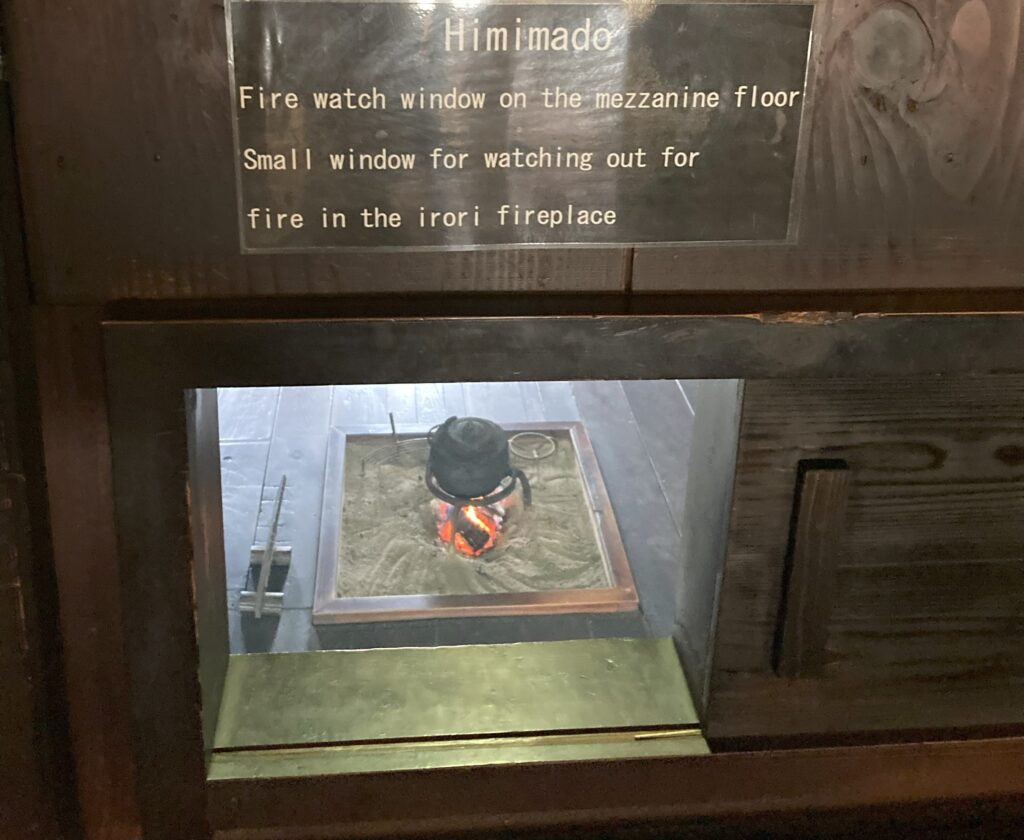
- The Kanda House (The Fire-Watcher): Features a unique mezzanine “watchtower” window. Since the hearth fire never goes out, someone had to monitor it 24/7 to prevent the whole village from catching fire!
- The Nagase House (The Doctor’s Luxury): Built with premium cypress and zelkova wood. It reflects the high status of the medical profession 200 years ago.
- Myozenji Temple (The Prayer Attic): A rare sight where even the temple’s bell tower is built in the Gassho style. It feels like a “Wooden Cathedral” made specifically for this snowy valley.
- The Open-Air Museum: If you’re short on time, visit the Minka-en. It’s a “best-of” collection with over 20 relocated buildings, including a water mill and a shrine.
4.2 Ready to Crack a Smile? Short Stories for You!
Q1 “Is the interior of gassho-zukuri houses the same as the exterior?”
Imagine a building designed entirely for thousands of tiny VIPs (silkworms). Surprisingly, the space created for these insects turned out to be more stylish and relaxing than a modern designer cafe!
Let’s look at the “Shiny Black” beauty of the attics—and why you might start craving “Mulberry Jam” by the time we’re done.
- Yes, gassho-zukuri is a sturdy construction method that reflects the architectural philosophy of Shirakawa-go, enhancing adaptability to the harsh natural environment.
- Furthermore, this concept was also aimed at increasing the productivity of sericulture, which provided a significant source of income in a village with limited farmland.
- The structure of each farmhouse was essentially the same inside and out, as meeting these requirements was crucial for survival.
- Of course, some houses have held important positions for generations or served as doctors’ homes, and their interiors and furnishings reflect their high status and income.
- Many day-trippers may be satisfied with just one house, but if you’re staying overnight and have more time, you can visit the others and appreciate the differences.
- Among them, the sericulture areas on the second floor and above are particularly surprising and satisfying to many visitors.
- The exposed post-and-beam framework was bound with ropes to make the building flexible, allowing it to withstand storms and earthquakes by dispersing external forces.
- Additionally, they have been slowly fumigated over many years in the smoke of a sunken hearth, giving them a slightly shiny black color and a unique luster, akin to artistic craftwork shaped by nature’s power.
- In addition, the construction, designed to maximize lighting and air circulation before the advent of electricity, creates a very open and relaxing atmosphere.
- With a folk art style table placed beside the window, the space could easily resemble a stylish and attractive coffee shop or restaurant without any modern business efforts.
- How could this area, originally designed to create an optimal environment for the delicate silkworms, not also be comfortable for humans?
- Since silkworms eat a lot of mulberry leaves to produce high-quality silk threads, serving mulberry leaf jam here could be a fitting addition.
- This imagery, such as the ‘Cocoon Restaurant’ where tourists from around the world enjoy the atmosphere and taste, makes me wish that they return home and share their experiences online.
- I hope they do so with the same enthusiasm as silkworms produce high-quality silk threads.
5. Irori/Sunken hearth
5.1 Basic Information: The “Heart” and “Engine” of the House
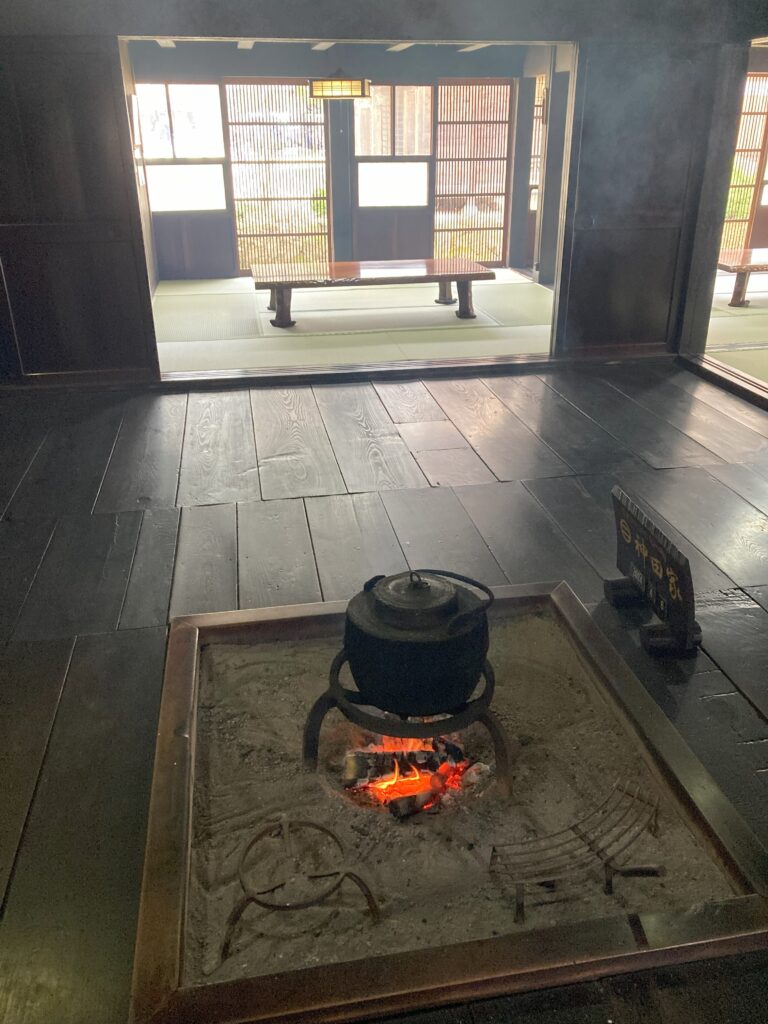
The Irori (sunken hearth) is more than just a cozy fireplace. In Shirakawa-go, it was a multi-purpose engine that kept both the house and the family alive.
- 24/7 Fire: Before matches and lighters, keeping a fire going was a massive chore. The hearth was kept burning constantly, using thick logs that would smolder slowly for days.
- The “Invisible” Chimney: Unlike Western fireplaces, these houses have no chimneys. This is intentional! The smoke rises through the floorboards to fumigate the entire attic, protecting the wood from rot and wood-eating insects.
- Family Seating Chart: The hearth was the center of social life, but it had a strict hierarchy. The head of the family sat in the prime spot, while others sat in designated areas based on their status.
- Ancient Multi-Tasker: It provided light for sewing and tool repairs, heat for the freezing winters, and a steady flame for cooking the daily rice and stews.
- The “Magic” Lattice: Look up! The wooden lattice shelf hanging above the fire isn’t just for decoration. It diffuses heat evenly and acts as a smoke filter, turning the ceiling into a beautiful, soot-polished work of art.
5.2 Ready to Crack a Smile? Short Stories for You!
Q1: Do people actually cook here?
Yes, but cooking was just the tip of the iceberg! The Irori was a survival tool that prevented buildings from collapsing and kept people from “crying in the snow.”
Let’s look at why the people of Shirakawa-go are the world’s ultimate “Fire Experts”—and why you should probably think twice before trying to install one in your modern apartment!
- Yes, the pots were used for cooking over the fire, but they also served as lights in the days before electricity, when only candles were available.
- But besides these uses, the hearth also performs other crucial functions that enhance the building’s durability.
- The heat and smoke from this fire escape through the cracks in the ceiling and eventually through the floor above and the thatched roof.
- This fumigation helps to prevent harmful insects and wood rot from damaging the building.
- Therefore, to maximize the benefits of this hearth fire, it was kept burning continuously, which may have enhanced its effectiveness in other unexpected ways.
- Villagers had to work outside for long hours in the snow, enduring the extreme cold of Shirakawa-go.
- They might have felt overwhelmed or on the verge of tears due to the hard work in such harsh weather.
- However, they could have persevered, despite their bitterness, knowing that the hearth fire would be burning constantly to warmly welcome them home.
- This fire not only increased the durability of the buildings but also strengthened the resilience of the people, which may be why Shirakawa-go has endured to the present day.
- People in Shirakawa-go might be considered ultimate fire experts, thanks to the centuries of trial and error experienced by their ancestors.
- In Buddhism, a house of discord and constant strife is referred to as a ‘house of fire,’ symbolizing uncontrollable chaos and human vexation.
- People here understand both the risks and benefits of fire, and it might be the only instance in Japanese history where fire has been so successfully controlled.
- However, modern people, who often admire the positive image of the hearth, usually find it regrettable to have introduced one into their homes, as it can cause significant burdens.
- This is because, if we don’t actually need a fire for harsh conditions, introducing an irori might be equivalent to ‘playing with fire.’
- In that case, we should be thankful that the worst outcome was merely a minor burn from our little regret.
6 Gassho-zukuri ground floor (living space)
6.1 Basic Information: Life in a 40-Person “Mega-Home”
Imagine sharing your living room with 40 people. In the world of Gassho-zukuri, “family” meant everyone from your grandparents to your servants’ children.
- Crowded but Organized: A single house could hold over 40 residents. Because land was scarce in this narrow valley, families didn’t split up; they simply grew larger under one roof.
- The Multipurpose Masterpiece: Most rooms had no fixed furniture. By using folding tables and futons, the same space transformed from a dining hall to a bedroom or a workshop in minutes.
- The Spiritual Anchor: Every house had a grand Buddhist altar. Much like a local church, it was the heart of the home where the entire clan gathered daily for prayer.
- Strict Seating Labels: Life around the hearth was far from casual. There was a patriarchal “seating chart”—the head of the house sat in the seat of honor, while women and children had designated spots near the kitchen and entrance.
- A Living Home: Remember, these aren’t just museums. In many “open houses,” the family still lives in private rooms on the same floor. Keep an eye out for the steep, narrow stairs—descending them is a local balancing act!
6.2 Ready to Crack a Smile? Short Stories for You!
Q1: How many people lived here?
If you think your house is crowded, try living with 39 of your relatives! In Shirakawa-go, “privacy” didn’t exist, but “loneliness” was impossible.
Let’s look at why this 40-person communal life might be the secret cure for modern stress—and my slightly “crazy” idea to turn these houses into boot camps for retired salarymen!
- Generally, multiple families shared the space, so in some of the larger houses, as many as forty people lived on the ground floor.
- In this narrow, crescent-shaped river basin, there was no land available to divide for new homes, so even when people got married and started their own families, they had no choice but to continue living in their parents’ house or with the eldest son who inherited it.
- Sericulture, which requires continuous care 24 hours a day, also demands a large workforce, so families grew large for practical reasons.
- Although accommodating forty people on one floor was challenging, the families managed well by using a single room for multiple purposes—such as a living room, kitchen, reception room, and bedroom—in the traditional Japanese way.
- For those of us living in the modern world, where privacy is a top priority and individual rooms are the norm, this communal living environment might come as a surprise.
- But here, we may find a hint of a problem-solving approach that could alleviate some of the inevitable harms caused by the freedoms of modern life, even as we celebrate those freedoms.
- For example, since multiple generations of families lived together here, issues like the burden of elderly care by aging children, lonely deaths in apartments, and isolation in private rooms were virtually nonexistent.
- Of course, communal living often requires sacrificing one’s own time and personal space, but there are genuine advantages to such sacrifices for the benefit of others.
- Come to think of it, we often see cases where people end up harming their lives and spirits by failing to manage the many freedoms and ample free time at their disposal.
- Rather, life in Shirakawa-go teaches us that a certain degree of time and space constraint, as experienced here, can be beneficial for the rhythm of life and fostering supportive relationships.
- By the way, a family of forty people is roughly the size of a typical Japanese elementary school class, which sometimes makes me wonder if a gassho-zukuri house, if no longer in use, could serve as a unique space for a school
- The first floor could serve as a classroom for lectures, the hearth room could be used as a campfire area for relaxation, and the spacious attic could be transformed into a gymnasium by removing the partition floors.
- Given the declining birth rate in Japan and the reduced need for elementary school spaces, repurposing such buildings for reskilling programs for the growing number of retired middle-aged and older adults could be a valuable use.
- In a camp-like crash course, participants could raise silkworms to develop service skills in a 24-hour working environment, and some students might even discover new job opportunities in the convenience store industry.
- Daily interactions with a large number of international tourists could boost motivation for language training, as participants become more aware of the need for effective communication skills and language proficiency.
- For many retirees from various companies who may have lost touch with something important due to prolonged recession and fatigue, the school could serve as a reminder of it.
- This is what they routinely did before and after meals in their youth—putting their hands together and expressing gratitude with the word “gassho.”
7 Gassho-style attic (as work space)
7.1 Basic Information: The Three-Story “Silk Factory” in the Sky
In most Japanese homes, the attic is a tiny storage space. Here, it’s a three-to-five-story vertical factory designed with the precision of a modern business.
- Vertical Climate Control: Young silkworms lived on the lower floors near the hearth’s heat, while older, tougher ones were moved higher. The rising smoke and heat naturally created different “climate zones” on each floor.
- Natural AC: The triangular windows at each gable end allow wind and sunlight to flow through the entire space. It’s a natural ventilation system that kept thousands of silkworms breathing without a single electric fan.
- Economic Engine: This attic was Japan’s first “mass production” site. It generated the foreign currency that built modern Japan, making these farmers as business-savvy as today’s tech entrepreneurs.
- Built for Efficiency: The open-floor plan allowed 40+ family members to work simultaneously. It’s a low-cost, high-yield system that utilized every inch of space and every degree of heat from the fire below.
- Secret Side Hustles: Beyond silk, some families used the dark spaces under the floorboards to secretly manufacture ingredients for gunpowder. This was a high-stakes, high-income village!
7.2 Ready to Crack a Smile? Short Stories for You!
Q1: Was this attic just for storage?
Not at all. This was a “Kingdom of Silk” that once powered the nation’s economy. But today, with the silk industry gone, these attics have become something much more mysterious.
Let’s look at why this attic is basically a Japanese Pyramid—and why I’m proposing a new, slightly spooky tour called the “Mausoleum of Moths.”
- This attic is currently used to display old, traditional work tools, but it was primarily used to raise silkworms for the sericulture business.
- Over hundreds of years, it evolved into the large multi-story attics we see today, designed to maximize sales and profitability from sericulture.
- Until the global depression about a hundred years ago, global demand for silk was increasing, and this attic was bustling with activity, raising large numbers of silkworms for what was then modern Japan’s most important export product, earning valuable foreign currency.
- But the global depression and the rise of less expensive synthetic fibers caused the demand for costly silk to fall sharply.
- In addition, unable to compete with the low prices of cocoons from China and other countries with cheaper labor, the silkworms here have almost disappeared from the attic over the past hundred years.
- The displays before us now show the remnants of a time when sericulture was in its heyday, generating enough income to support a large family of several dozen people and maintain this huge attic.
- The many gassho-zukuri buildings in the area, which once numbered nearly 2,000, have now dwindled to about a hundred, as it became difficult to maintain such massive structures.
- However, it’s perhaps a miracle that a few of them are still open to the public, and that so many domestic and foreign visitors continue to visit sites like this today.
- The irony is that Shirakawa-go’s sericulture industry, which lost out in the global silk market, has found new life in the global tourism market, preserving its former glory in a transform.
- In a way, it’s similar to the pyramids in Egypt, which now attract people from around the world to see the structures that once symbolized their former glory.
- Both the attic and the pyramid have an impressive 60-degree slope, capturing people’s attention with their height and mysterious appearance, making everyone wonder, ‘What in the world is this?'”
- When people step inside, they might also notice the similarities. This attic was once a very prosperous kingdom, and they are now witnessing the remnants of its peak—a graveyard of its former glory.
- The owners of this vanished glory are the moths, which were never allowed to exist, as they were destined to be sacrificed for the production of raw silk from their cocoons.
- Since an adult silkworm is referred to as a moth in English, how about promoting this attic with a unique tour titled ‘Japanese-style Pyramid: Mausoleum of Moths: You might even sense the solemn presence of their souls through a Gassho experience!’
- In this experience, you might find yourself naturally putting your hands together in Gassho, just as Japanese people do, to offer a prayer.
8 Gassho-zukuri Attic (As architectural space)
8.1 Basic Information: The Giant “Unattached” Roof
The most shocking secret of a Gassho-zukuri house? The roof and the first floor are not actually attached. The massive attic simply “sits” on top of the base.
- The Pencil-Point Secret: Look closely at where the roof beams meet the floor. They are sharpened like pencil points and rest in small slots. This “Seismic Isolation” allows the roof to sway and dance during earthquakes or storms without snapping.
- Mammoths in the Mist: Every house faces the same direction to catch the valley winds for ventilation. From the observatory, the village looks like a herd of mammoths or a wagon train moving through the snow.
- Nails are for Amateurs: Expensive iron nails were avoided. Instead, the beams are bound with flexible ropes and young vines. These tighten as they dry, making the house stronger and more flexible as it ages.
- The “Two-Team” Build: The first floor was built by professional master carpenters. But the attic? That was a DIY project by the entire village (the Yui system), using raw logs and traditional knots.
- Self-Melting Roofs: There’s no chimney for a reason. The heat from the hearth leaks through the thatch, melting the snow from the inside out so it slides off safely before the roof collapses.
8.2 Ready to Crack a Smile? Short Stories for You!
Q1: Why are the roof pillars pointed like pencils?
This is the Komajiri technique—the world’s oldest seismic technology. It allows the roof to shake and “let the energy go” instead of fighting it.
But this isn’t just for buildings. I’ve discovered that this “Irresponsible Structure” is actually the secret to surviving a difficult boss or an angry customer! Let me show you how to become a human shock-absorber.
- This is called the Komajiri technique, referring to the pointed tip of the main roof pillars in a gassho-zukuri house.
- As you can see, it has a pointed tip that “rides” in a round slot in the thick beam below.
- This pointed tip is an ingenious device designed to receive and disperse the immense pressure from earthquakes, strong winds, and heavy snow that the building endures.
- The tip isn’t completely fixed, but is slightly held in place by a piece of wood that looks like a wedge.
- The purpose is to allow the tip to move freely within a limited range, effectively accommodating and dissipating the sway and force.
- In this way, the pressure on the roof as a whole is prevented from concentrating in certain areas and causing destruction, and both the roof itself and the living space below are protected from damage by the forces of nature.
- This is exactly the kind of wisdom that people in the past developed, and that can be seen in today’s seismic isolation structures.
- Perhaps this structure could even be applied to how we deal with problems in our own lives, especially at work.
- For example, let’s say the upper roof structure is the guest and the lower house structure is me, your local guide.
- If I receive a severe reprimand from the guest – as sharp as the tip of this pillar – due to my inadequacy, I don’t make any excuses or counterarguments.
- Instead, I just silently shake myself a little and wait patiently for their anger to dissipate.
- People can’t stay angry for long, no matter how upset they are, so the tension will eventually cease.
- It’s like using a ”liability isolation structure” instead of a “seismic one”!
- But, you could also say it’s literally an ‘irresponsible structure’ because it’s an idea that simply doesn’t respond to any reprimand.
9 Gassho-zukuri Attic (Remnants of Silkworm Farming)
9.1 Basic Information: The Secret “Monster” in the Attic
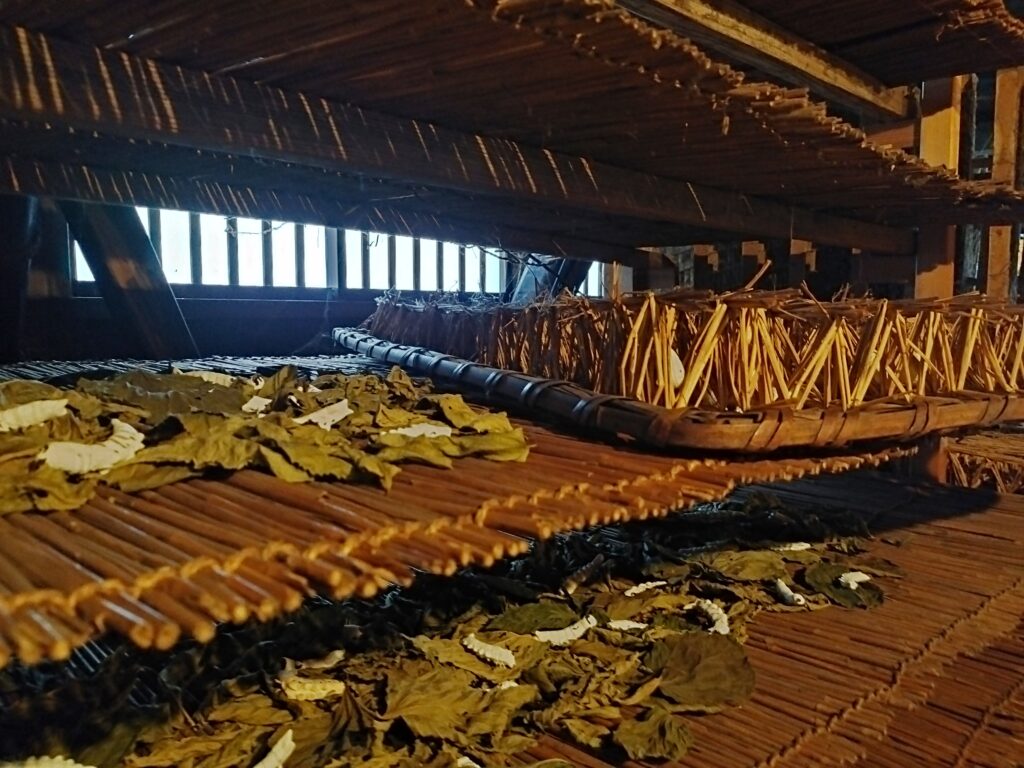
For centuries, these attics were ruled by thousands of tiny VIPs: the silkworms. They were so important to survival that locals called them “Mr. and Mrs. Silkworm” (O-kaiko-sama).
- 10,000x Growth Spurt: In just 50 days, a silkworm grows to 10,000 times its birth weight. Their silk-producing glands grow a staggering 100,000 times. They are nature’s ultimate manufacturing monsters!
- The Sound of Rain: When thousands of silkworms eat mulberry leaves at once, it creates a unique sound like light rain or distant waves. It’s a sound that once echoed through every house in the village.
- Vertical “Smart” Farming: Farmers used a “Ferris wheel” device (Mabushi) that exploited the silkworm’s natural urge to climb. As silkworms filled the top slots, the wheel rotated by gravity, making room for others without any human labor.
- Extreme Sensitivity: These “VIPs” required 24-hour room service. The attic’s temperature and humidity were managed with obsession, as the slightest chill could ruin the entire silk crop.
- 1km of Thread: One tiny cocoon produces nearly one kilometer (0.6 miles) of silk thread. It took thousands of cocoons to make a single high-end kimono, fueling Japan’s early economy.
9.2 Ready to Crack a Smile? Short Stories for You!
Q1: What is this wooden lattice board (Mabushi)?
It looks like a simple tool, but it’s actually a brilliant “Ferris wheel” for insects. It encouraged silkworms to climb up and build their dream homes (cocoons).
But looking at these tiny “apartments,” I can’t help but notice a dark similarity to us humans. Are we just like silkworms, climbing the social ladder only to be trapped by a “cocoon” called a mortgage? Let’s explore this surprisingly deep (and slightly tragic) connection.
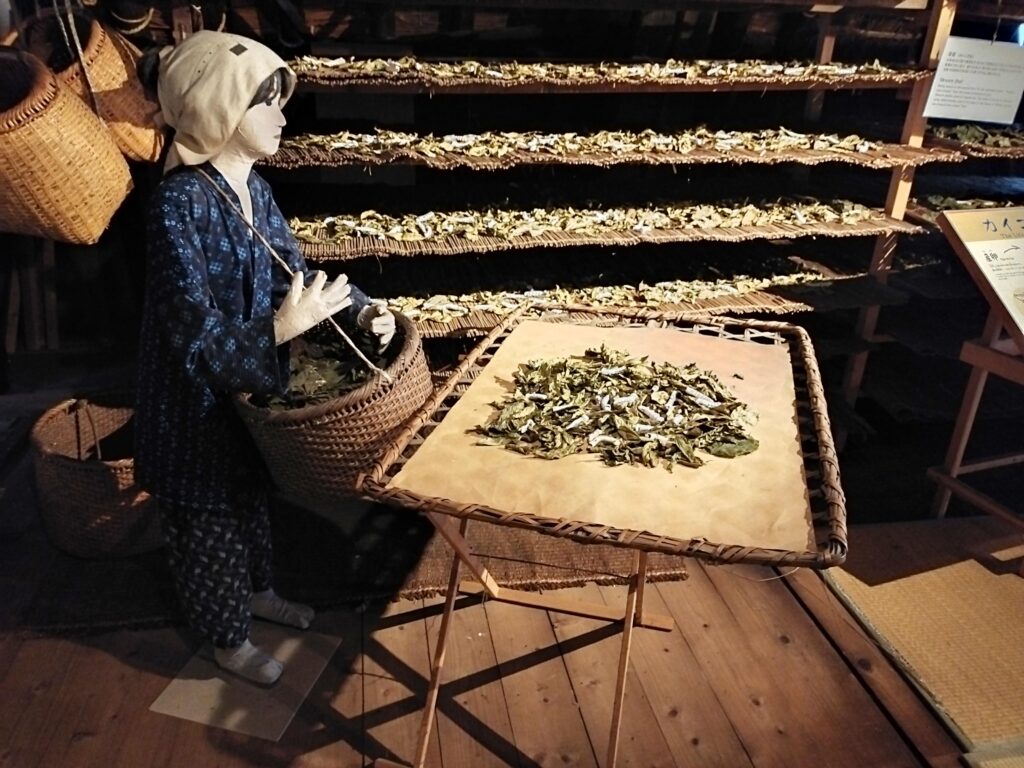
- This net, called a mabushi, is a device made of wood or woven straw, with many small spaces in its frame for silkworms to spin their cocoons.
- Silkworms cannot make cocoons on a flat, empty surface, so they need the mabushi as a scaffold, similar to how humans use scaffolding when building.
- Silkworms have a natural tendency to climb, so when the frame is placed above them, they will climb into the individual small compartments on their own and make their cocoons there.
- However, removing the finished cocoons from their compartments without damaging them is laborious and time-consuming, so a new device was developed
- It’s a new type that rotates vertically, like a Ferris wheel. When placed in the middle of a group of silkworms, they naturally climb up and enter the higher compartments to spin their cocoons.
- The top compartments, filled with silkworms, naturally become heavier, causing them to rotate downward like a Ferris wheel, while the empty compartments at the bottom rotate up to the top.
- By the same logic, the other silkworms fill the higher compartments one by one, causing the same rotation and resulting in a box of cocoons, with all the spaces neatly filled and aligned—without any manual labor.
- That’s a wonderful idea, but am I the only one who somehow sees a similarity to human nature and feels a bit sad?
- Like silkworms, humans also have an upward tendency. When something is placed before us, we feel the urge to climb up and create a comfortable, cocoon-like home to live in.
- But with the weight of the mortgage on the house we’ve built, we may gradually feel like we’re becoming the working poor, and at times, as if we’ve fallen to the bottom of society.
- Additionally, in the comforting, cocoon-like home we worked so hard to build, we may not even be able to live, and someone else might take it away from us,—just like what happens with silkworms.
- We often hear of more and more older husbands at a ripe age going through divorce, blurting out things like this: ‘My comfortable, cocoon-like home is about to be taken away by my tycoon-like wife!
10 Castle Ruins & Observatory
10.1 Basic Information: The Best View of the “Dwarf Village”
From this viewpoint, you can see why Shirakawa-go is a masterpiece of rational design. It’s not just a “pretty view”—it’s a survival map.
- Wind-Logic Layout: Notice how every house faces the same way? The gable ends (window sides) are all aligned North-South to catch the valley winds for ventilation while minimizing damage from strong gusts.
- The “Fairy Tale” Scale: Looking down, the houses look like tiny dwarf huts from a mythical world. At its peak, there were 2,000 of these houses; today, only about 100 remain as a “living stage.”
- A Practical Castle: Unlike grand castles built for ego, the ruins here (Ogimachi Castle) were small and tactical. Built on a steep hill, it used natural cliffs as moats to monitor the mountain pass with minimum effort.
- Solar Power (Ancient Style): The East-West orientation of the massive roof surfaces ensures the sun hits them perfectly to melt snow and dry the thatch, a purely rational use of nature.
- Modern Evolution: Look closely and you’ll see some roofs have shallower angles. This isn’t a mistake; it’s a reflection of global warming and a shifting economy as the need for heavy-snow protection decreases.
10.2 Ready to Crack a Smile? Short Stories for You!
Q1: Why are we so drawn to this landscape?
From up here, Shirakawa-go looks like a peaceful fairy tale. But look closer at the angles of those roofs—they are actually scientific sensors tracking the health of our planet!
Let’s look at why this view makes us feel nostalgic, and why I’m proposing Shirakawa-go as the ultimate (and final) venue for a Global Warming Summit.
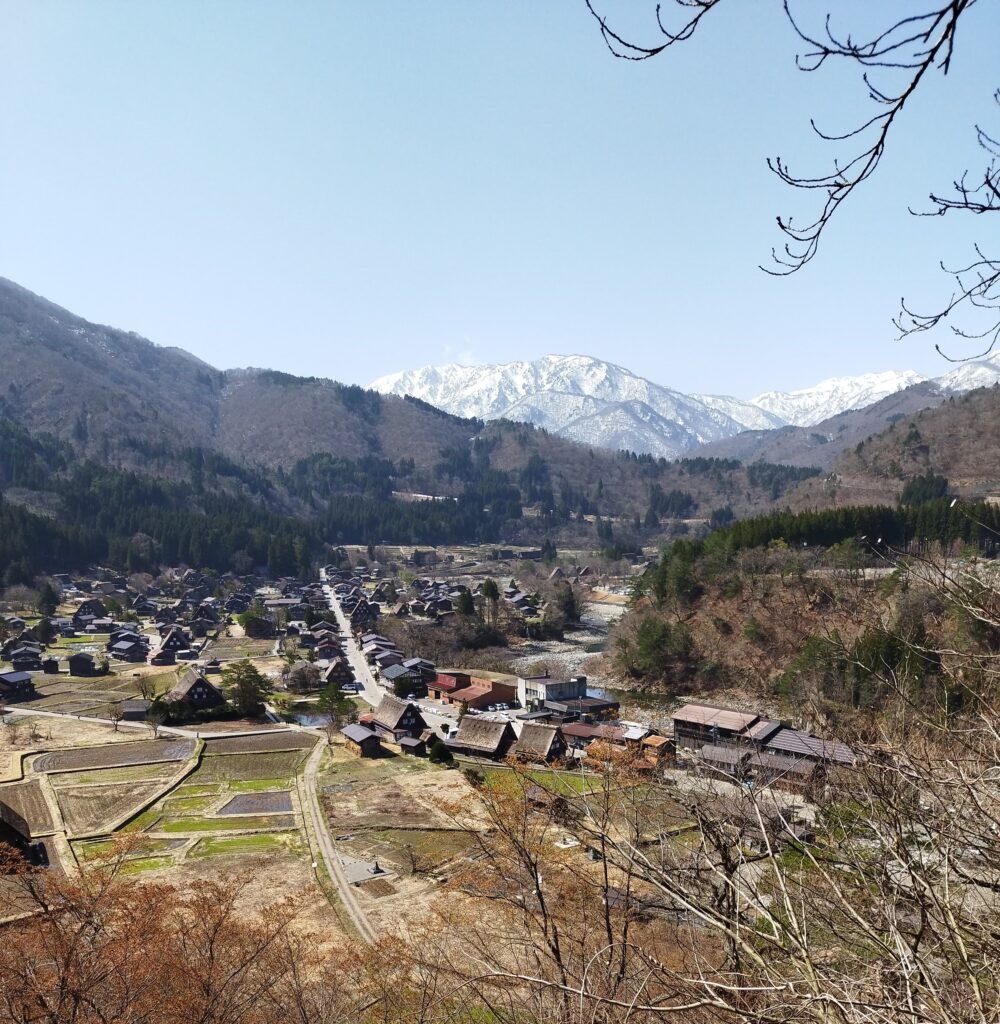
- This high point is a very popular spot in Shirakawa-go and is featured as a must-see location on all tourist sites.
- As you know, it’s not such a high-altitude view, but for some reason, there’s a nostalgic atmosphere that makes us feel at ease.
- For many visitors, it evokes the image of a fairy tale dwarf’s house or a mythical stage watched over by gods.
- Of course, even if the landscape looks peaceful from a distance, the people who live there face various harsh realities.
- For example, gassho-style roofs are costly to maintain, so more houses are being built with conventional roofs.
- In the past, the steep 60-degree roof angle was essential to withstand heavy snowfall, but with decreasing snowfall, gentler angles have become viable.
- There are places in the world where people can visually confirm global warming, and this viewpoint may be one of them.
- By tracking changes in roof angles over time, Shirakawa-go could serve as a watchdog for monitoring global warming.
- Not only the roof angle, the thatch roof can be used as a sensor for summer heat waves, because it is more sensitive to heat than tiled or singled roofs.
- So, we could promote Shirakawa-go, a World Heritage site, as a venue for a global warming summit.
- And if rising sea levels ever submerge Shirakawa-go, at an altitude of about 600 meters, it would almost certainly signal the end of the world.
- We can conduct thorough measurements here right up until that point. Don’t you think that’s a wonderful advertising catchphrase?
11 History of Gassho-Zukuri (Village People’s Story)
11.1 Basic Information: The Great Rescue of a Vanishing World
Shirakawa-go isn’t just a survivor of time; it’s a survivor of a massive “extinction event.” What you see today is the result of a heroic rescue mission by the local people.
- 90% Lost: Out of nearly 2,000 Gassho-style houses, 90% vanished in the 20th century due to dam construction, fires, and the decline of the silk industry.
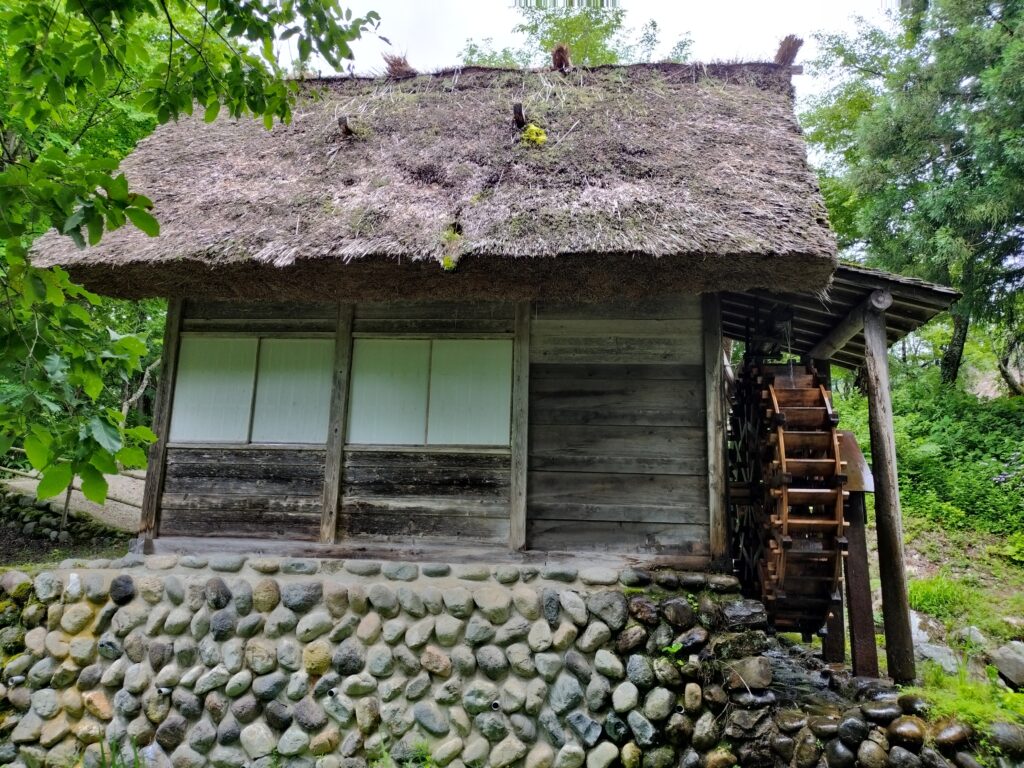
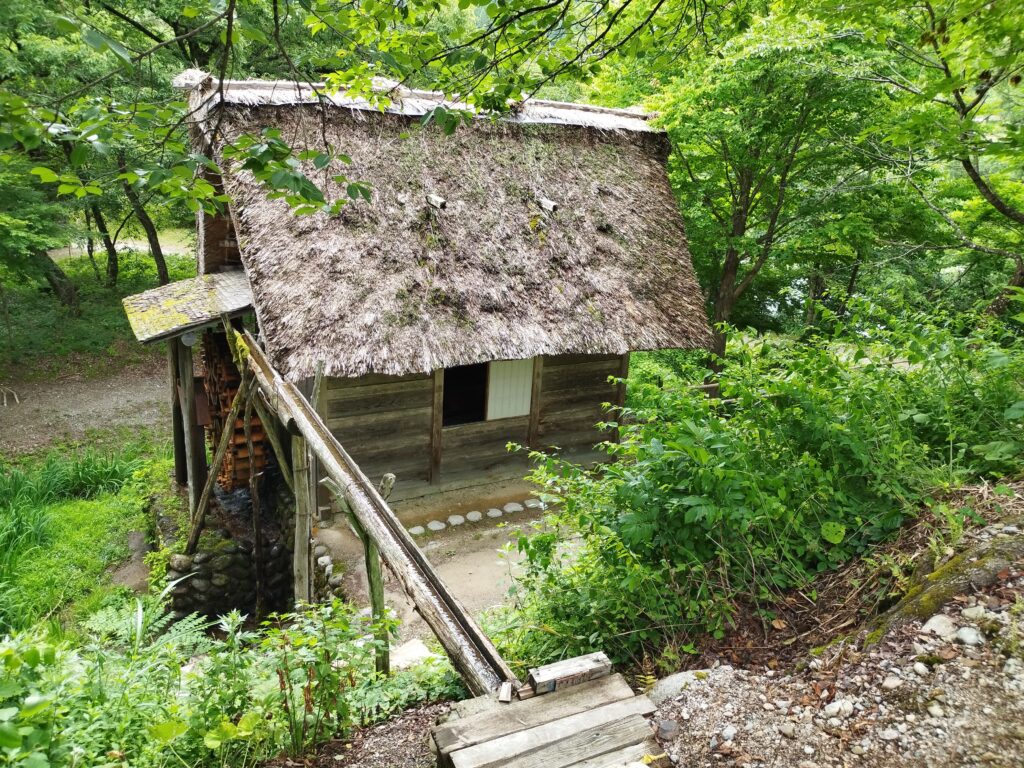
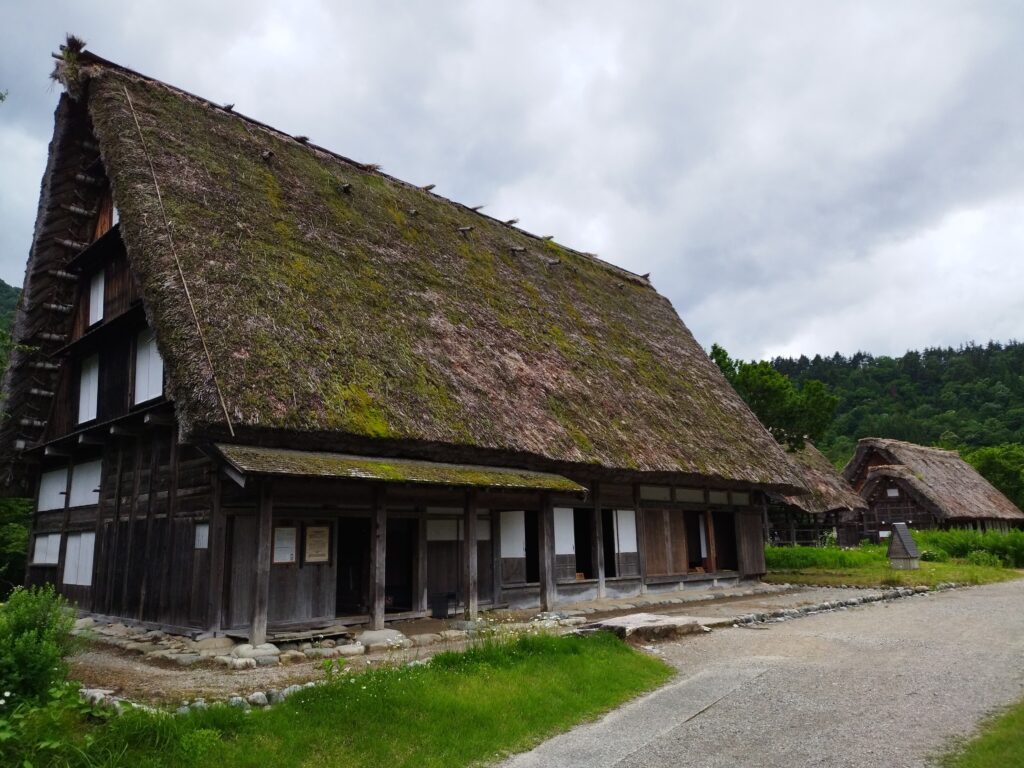
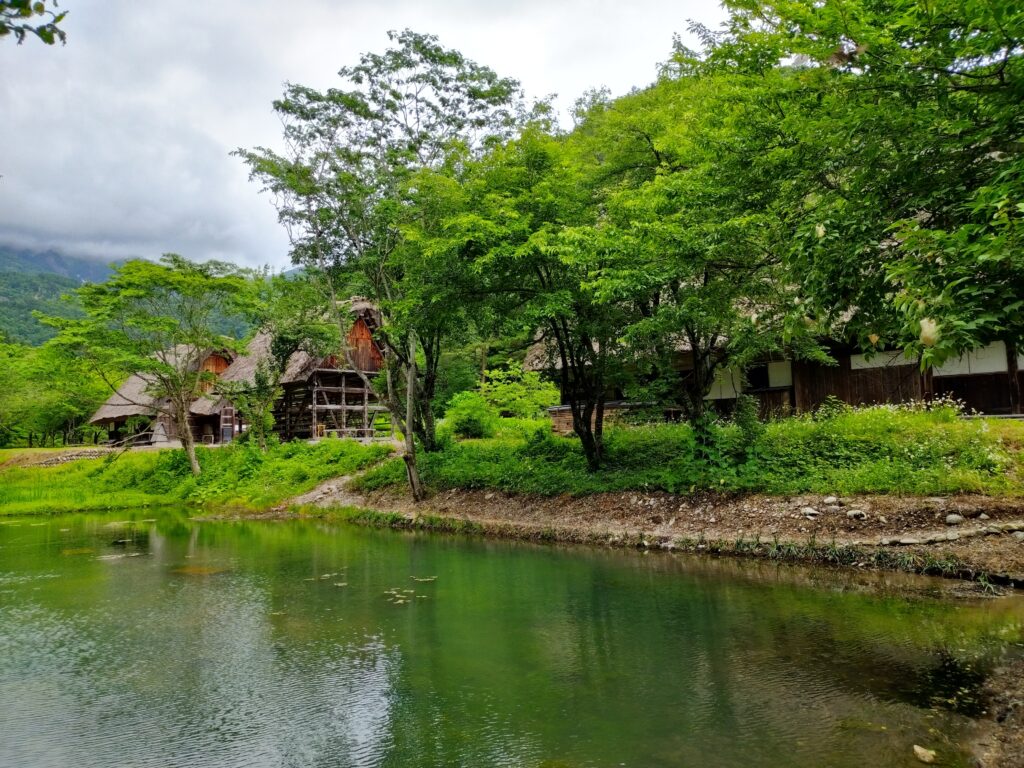
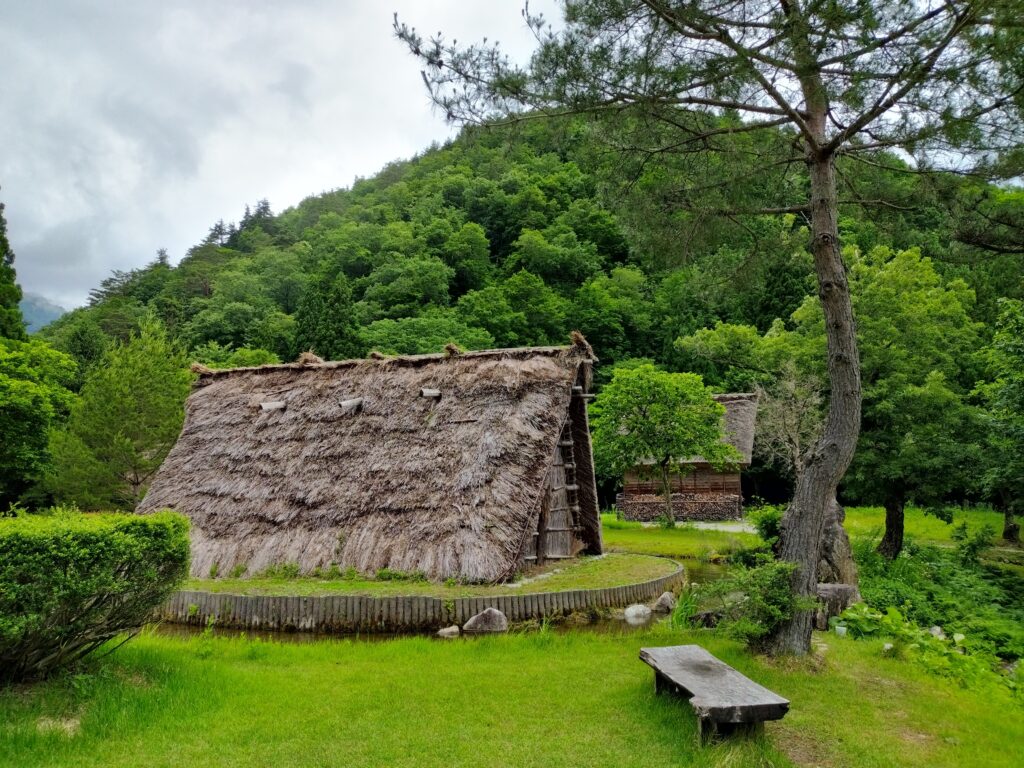
- A Sanctuary for Houses: The Minka-en Open-Air Museum isn’t a theme park; it’s a refuge. It rescued 25 historic houses from abandoned villages that were about to be lost forever.
- The High Cost of Size: These “Mega-mansions” were built for the silk boom. When that industry collapsed, the houses became too expensive to maintain, leading to a mass exodus.
- Living Heritage: In 1995, UNESCO recognized not just the buildings, but the spirit of “Yui” (mutual aid)—the local system where the whole village works together to save a single roof.
- More than Architecture: Each relocated house in the museum preserves a “lost way of life,” from secret gunpowder rooms to the tools used by families who lived here for 700 years.

11.2 Ready to Crack a Smile? Short Stories for You!
Q1: What exactly is the “Gassho-Zukuri Minka-en”?
Imagine a place built to save the last remaining “dinosaurs” of Japanese architecture. These houses grew massive to survive the silk era, but when the world changed, they almost went extinct.
Let’s look at why I compare these houses to Mammoths—and why I have to be very careful with that metaphor so people don’t think I’m just “bragging” about our tourism success!
- The Gassho-Zukuri Minka-en is an open-air museum created over 50 years ago to protect 25 gassho-zukuri houses that were rescued from villages on the brink of disappearing.
- Unlike theme parks built solely for profit, this site serves as a sanctuary—a last refuge—for these traditional homes, which were in sharp decline at the time.
- The goal was to preserve as much of their cultural value as possible.
- The complete loss of dozens of entire villages was a huge shock to the local people.
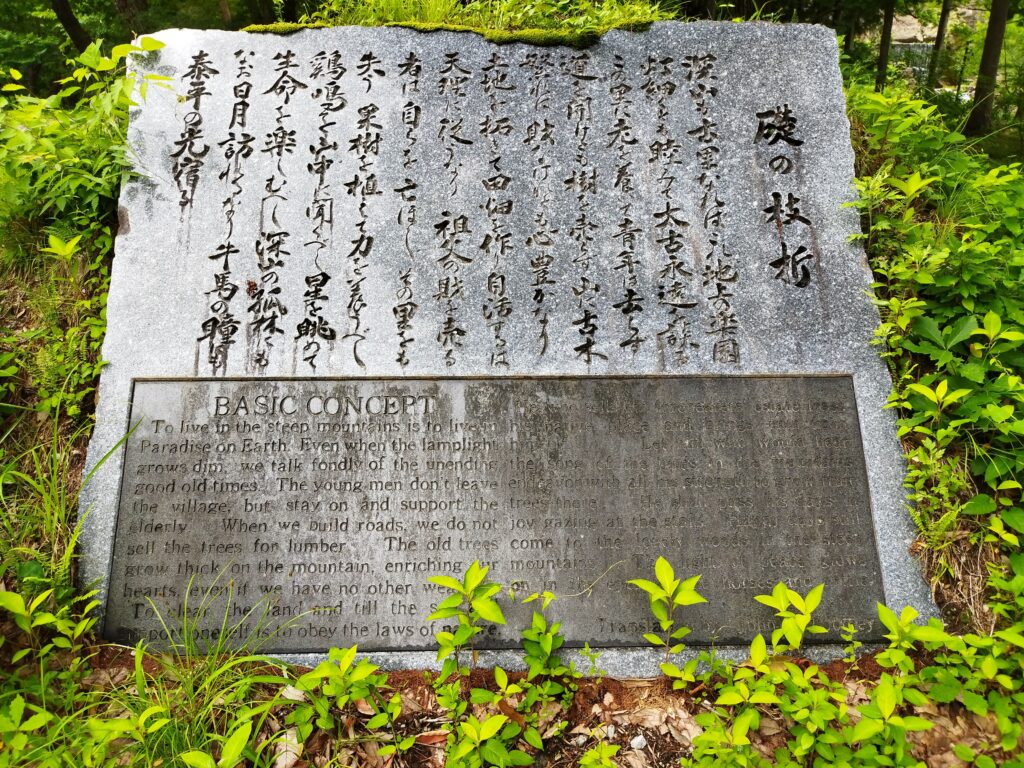
- The stone monument here, dedicated to the founder, stands like an epitaph, expressing their determination to protect what was vanishing.
- Inside the houses, you’ll find panels showing old newspaper articles about the disappearance of a 700-year-old village and stories of families being separated.
- These displays reveal the hidden, sometimes painful side behind the beautiful exteriors of the gassho-zukuri.
- The interiors also recreate scenes from daily life in those days, including sericulture setups, farming tools, and forestry equipment—things you wouldn’t normally see in public museums.
- Because some visitors mistake the park for just another tourist attraction, I always emphasize as a local guide that this place is quite different.
- It tells the story of people who fought to save as many of these houses as they could.
- To help people understand, I sometimes compare gassho-zukuri houses to extinct dinosaurs.
- They grew large in response to the thriving sericulture industry, but when that industry collapsed, their size made them unsustainable—just like dinosaurs that couldn’t adapt to a changing environment.
- Eventually, I found that the image of a mammoth made even more sense.
- These steep, towering roofs actually resemble mammoths standing proudly.
- But over time, I realized the mammoth metaphor might be risky—some visitors could take it the wrong way, as if I were bragging about Shirakawa-go’s booming tourism.
12 Thatched Roof
12.1 Basic Information: The “Living” Roof
The thatched roof is the most iconic feature of Shirakawa-go, but it’s more than just “dried grass.” It’s an ancient, high-performance technology.
- Ancient Roots: Thatching is one of Japan’s oldest roofing styles, dating back over 2,000 years to the Jomon period.
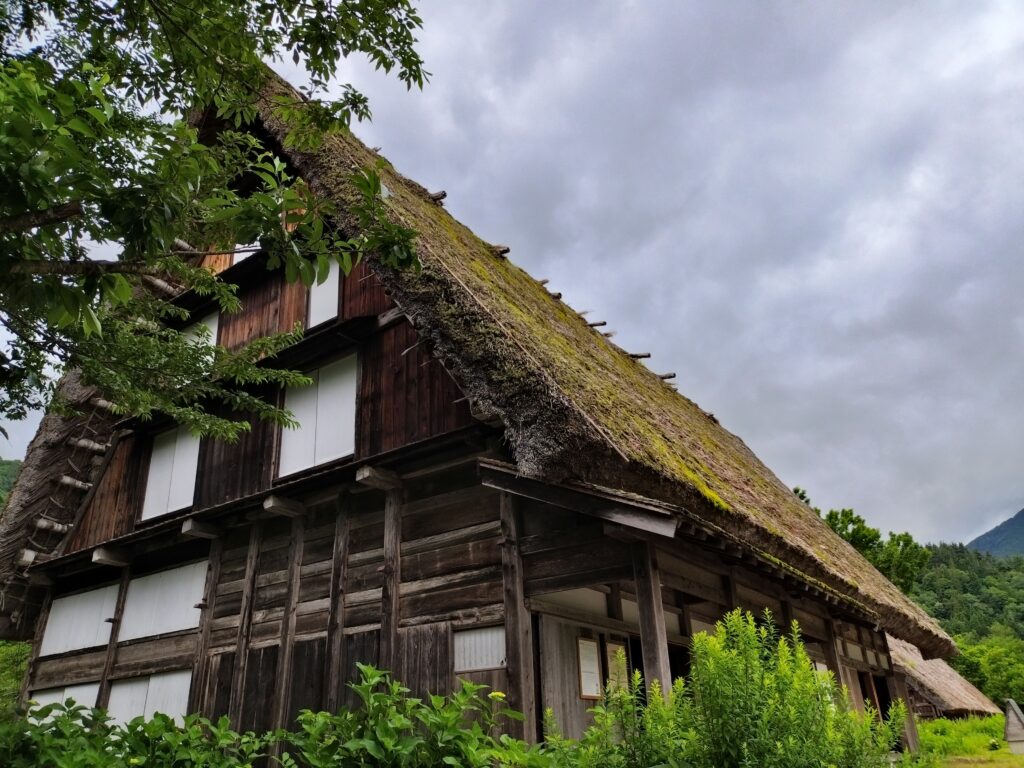
- The “Pampas” Secret: While many plants can be used for thatch, we mainly use Susuki (Pampas grass). It’s lightweight, durable, and hollow, making it a perfect natural insulator.
- A One-Meter Blanket: The thatch is nearly one meter thick. This massive layer of trapped air keeps the house cozy in sub-zero winters and surprisingly cool during humid Japanese summers.
- Breathable Engineering: Because the grass is bundled, not glued, the roof “breathes.” This natural ventilation system acts as a dehumidifier, preventing the wooden structure from rotting.
- Community Spirit: These roofs don’t last forever. Every 20 to 30 years, the entire village gathers to replace the thatch in a massive team effort called Yui.
12.2 Ready to Crack a Smile?
Q1: What are these roofs actually made of?
It looks like simple grass, but it holds a secret link to British politics and the history of surnames!
Let’s look at why a former UK Prime Minister is the perfect “mascot” for these roofs—and why I have to be very careful not to let my jokes start a “fire” online!
- The roofs in Shirakawa-go are primarily made using pampas grass (susuki).
- “Thatch” is a general term for roofing materials, and while it includes pampas grass, various other types of grass are also used for these roofs.
- Pampas grass grows to a height of about one to two meters and has hollow stems.
- When dried, it becomes extremely durable and lightweight.
- Layering it multiple times creates a thick, nearly one-meter-deep thatch layer that contains a large volume of air.
- This lowers the roof’s thermal conductivity, providing excellent insulation to keep the house cool in summer and warm in winter.
- However, dried pampas grass is highly flammable, and the village has historically suffered severe damage from fires.
- If guests are unfamiliar with the term “thatch,” I sometimes explain it using the name of Margaret Thatcher, the former UK Prime Minister.
- Like Japan, thatched roofs were historically common in Britain, and there were many thatchers.
- And her surname, Thatcher, literally means “thatcher” (a person who installs thatch).
- You can imagine her ancestor’s trade from her family name alone.
- But sometimes, the guests react slowly.
- I think there’s a disconnect between her image as the “Iron Lady” and the delicate charm of these rustic thatched-roof houses.
- Others may just dislike her political stance or track record.
- So lately, I keep the Thatcher jokes to a minimum depending on who I’m talking to.
- It would be terrible if a guest misunderstood my explanation and wrote a negative comment on social media.
- While our real thatched roofs don’t catch fire easily, a misunderstanding online could start a huge blaze in the comments section! Just kidding.
Thank you & Afterwards
🔶Thank you so much for reading to the end! If you have any comments or requests, please feel free to reach out to us at the email address provided in the 📧Assistance & Services📞 section.🔶GOLD
[$6%/S3]